
High-Protein Desserts: Easy & Healthy Ideas
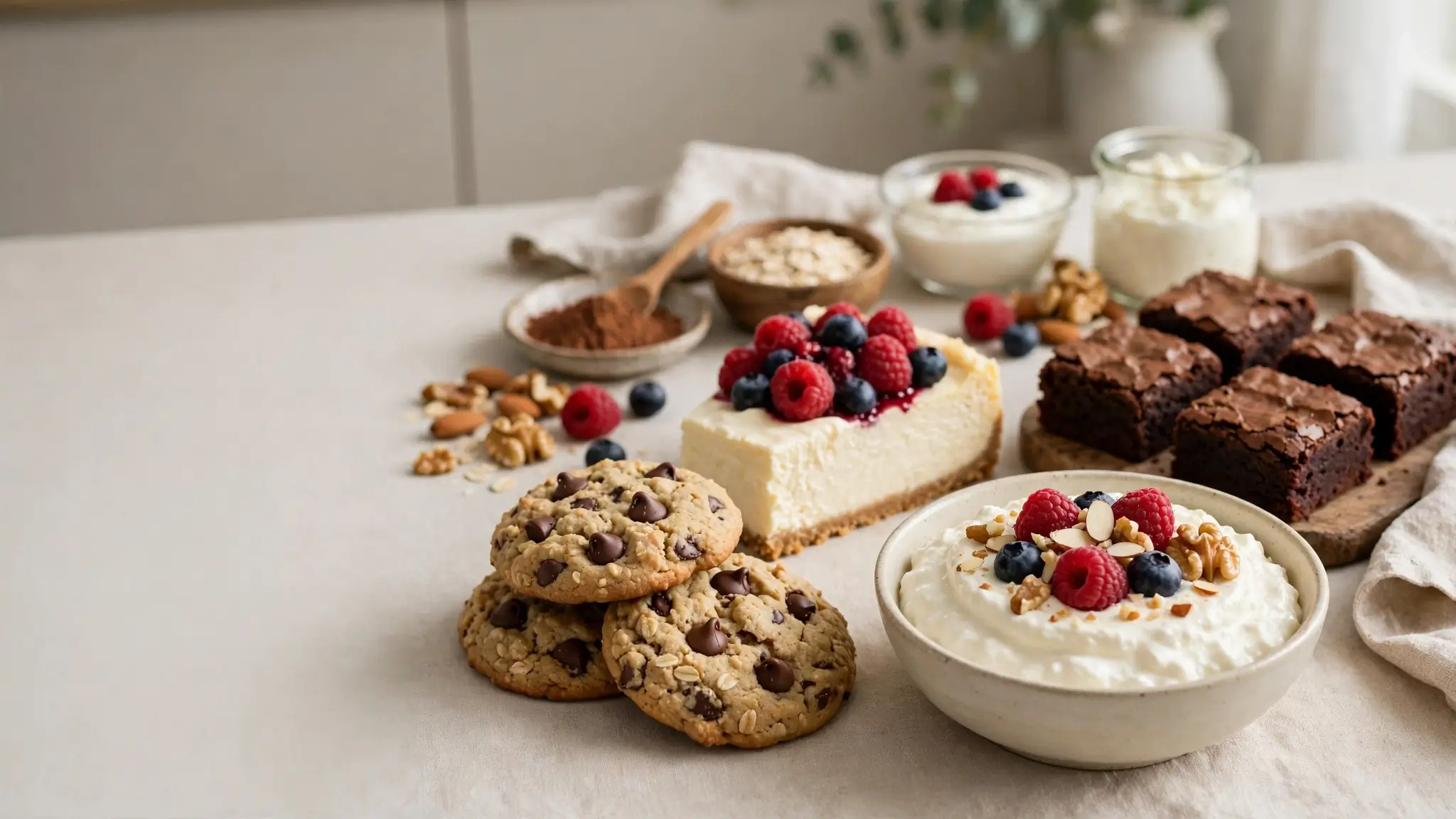
High-protein desserts are a practical way to enjoy something sweet while including a protein-rich ingredient in the recipe. From fudgy brownies and soft cookies to creamy cheesecake and cottage cheese desserts, there are plenty of ways to make desserts with familiar ingredients.
I like keeping these recipes simple and flexible. Greek yogurt, cottage cheese, eggs, milk, nut butter, oats, and protein powder can all be useful depending on the recipe, and you can adjust sweetness and flavors to suit your preferences.
In this guide, I’ll cover four popular high-protein dessert categories, along with tips for choosing ingredients, improving texture, making substitutions, and storing homemade desserts.
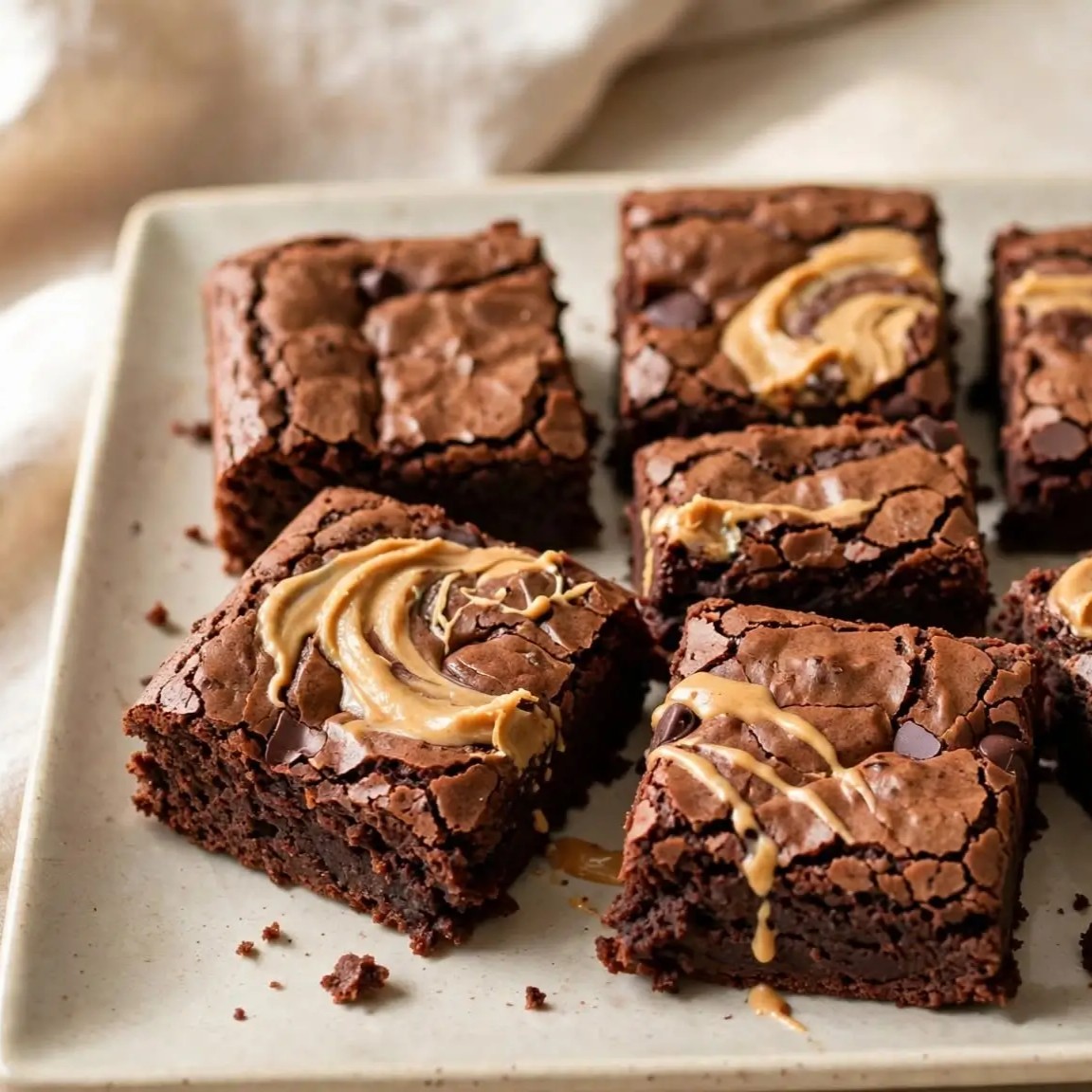
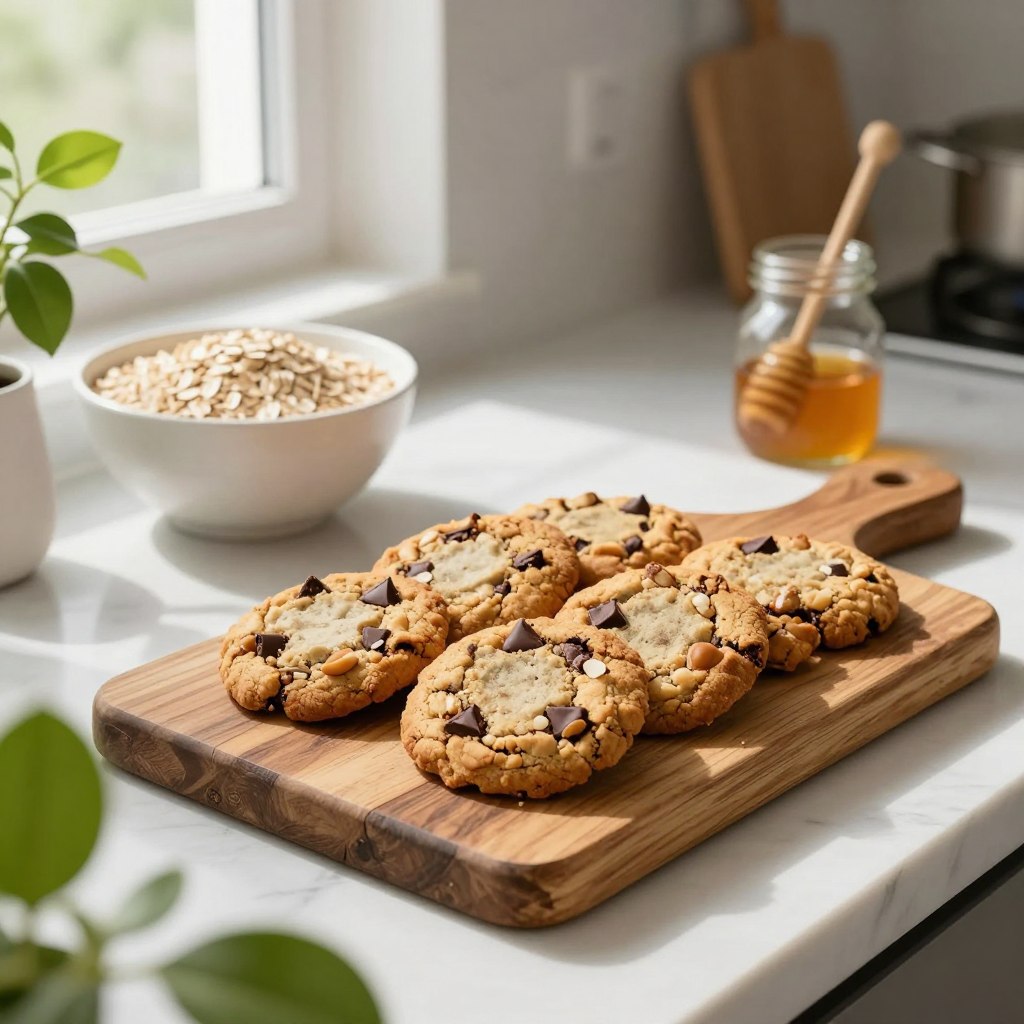

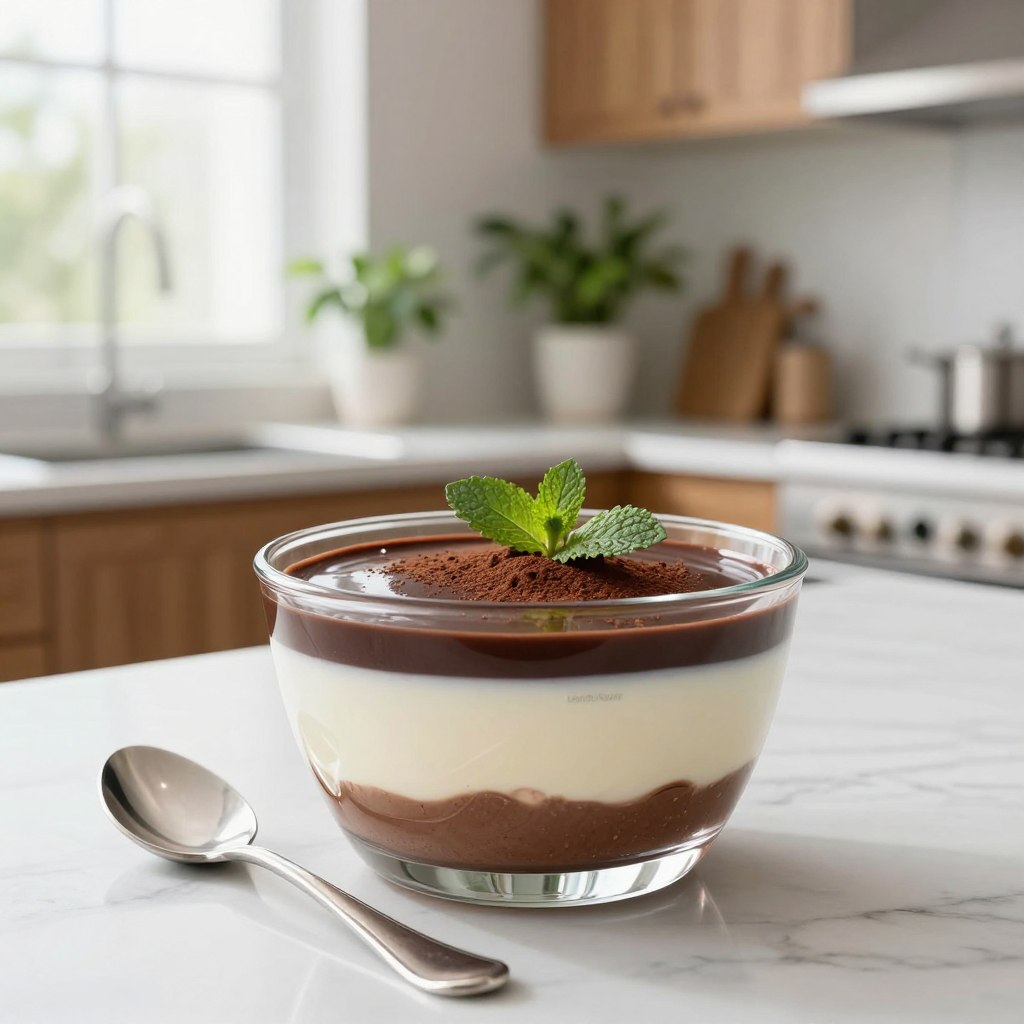
Table of Contents
What Are High-Protein Desserts?
High-protein desserts are sweet recipes that include a meaningful source of protein. Depending on the recipe, that protein can come from ingredients such as Greek yogurt, cottage cheese, eggs, milk, cheese, nut butter, or protein powder.
There is no single way to make a high-protein dessert. A creamy cheesecake may rely on cottage cheese or Greek yogurt, while brownies and cookies might use eggs, dairy ingredients, nut butter, or protein powder.
The key is to build the recipe around ingredients that provide the texture and flavor you want. Protein powder can be useful, but it does not need to be included in every dessert. I often prefer recipes where familiar ingredients do most of the work.
Texture is particularly important with high-protein baking. Adding too much protein powder can make brownies or cookies dry and dense, while too much liquid can prevent a dessert from setting properly. Different protein powders also behave differently, so whey, casein, whey-casein blends, and plant-based powders may produce noticeably different results.
That is why substitutions should be made thoughtfully. A change in protein powder, dairy ingredient, or sweetener can affect moisture, sweetness, structure, and baking time.
Why Choose High-Protein Desserts?
For many people, dessert is simply part of enjoying food. A high-protein version can be another option when you want to experiment with recipes that include more protein without giving up the flavors and textures you enjoy.
One advantage of homemade desserts is flexibility. You can adjust the sweetness, choose your favorite flavors, change toppings, and make individual portions or larger batches.
High-protein desserts can also give you more variety. Instead of relying on the same yogurt bowl every day, you can rotate between brownies, cookies, cheesecake, frozen desserts, and cottage cheese-based treats.
I also like that many recipes can use ingredients already found in a typical kitchen. Cottage cheese can be blended until smooth, Greek yogurt can add creaminess, and eggs can provide structure in baked recipes.
Protein powder is another option when it makes sense for the recipe, but it is not a requirement. If you use it, pay attention to the type and brand because the results can vary.
Most importantly, there is no need to make dessert complicated. A good high-protein dessert should still taste and feel like something you genuinely want to eat.
Protein Brownies & Bars
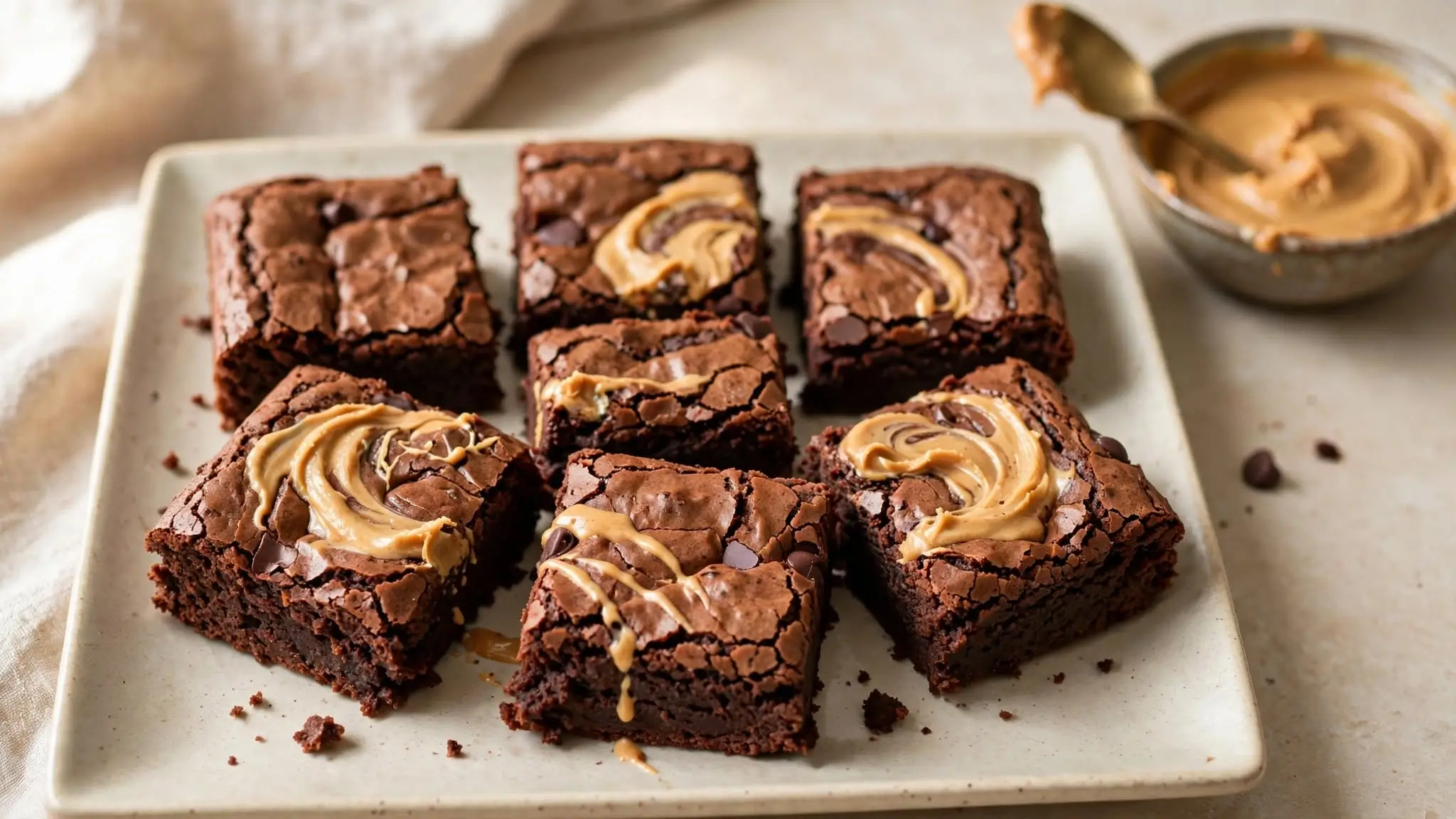
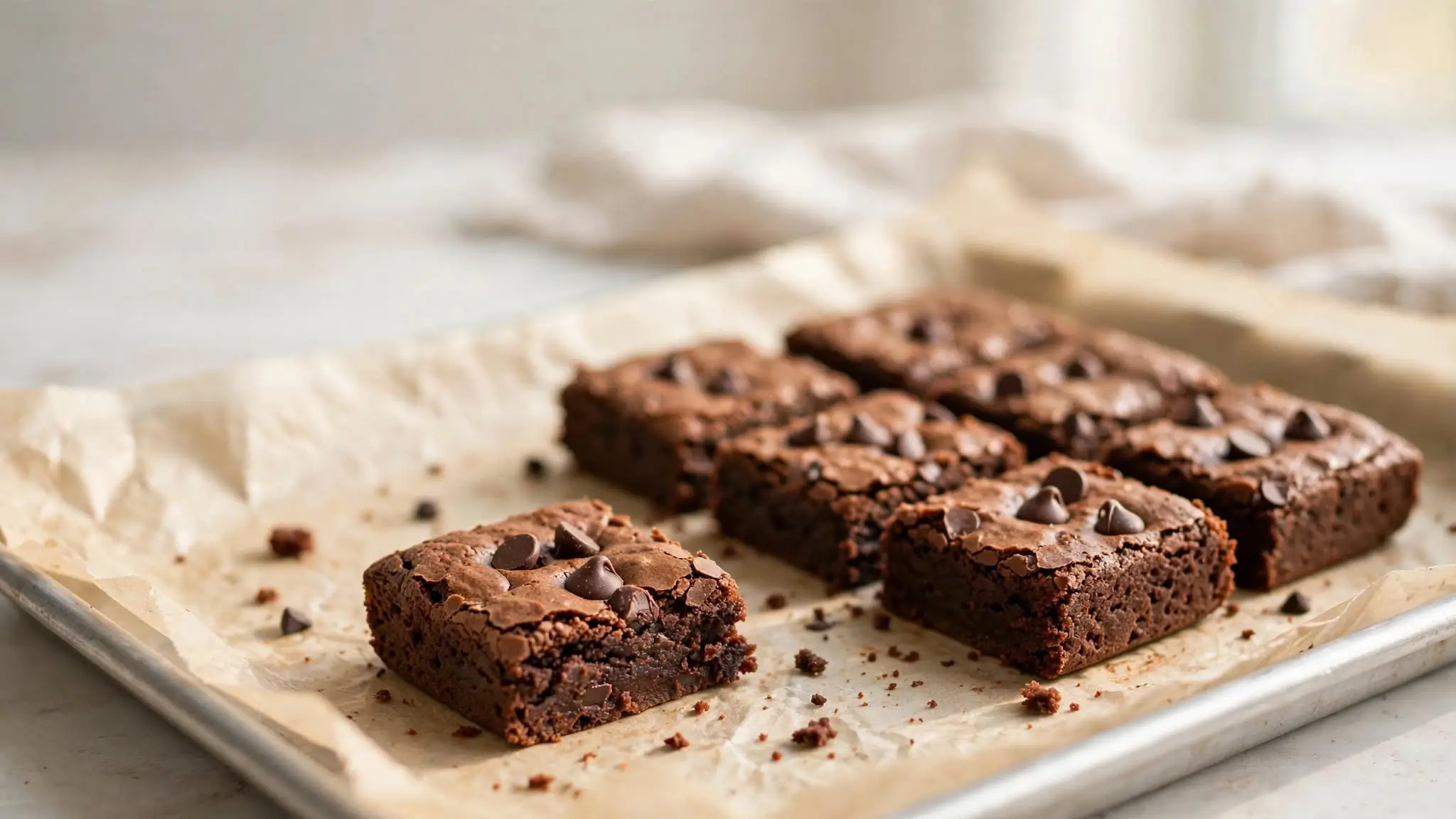
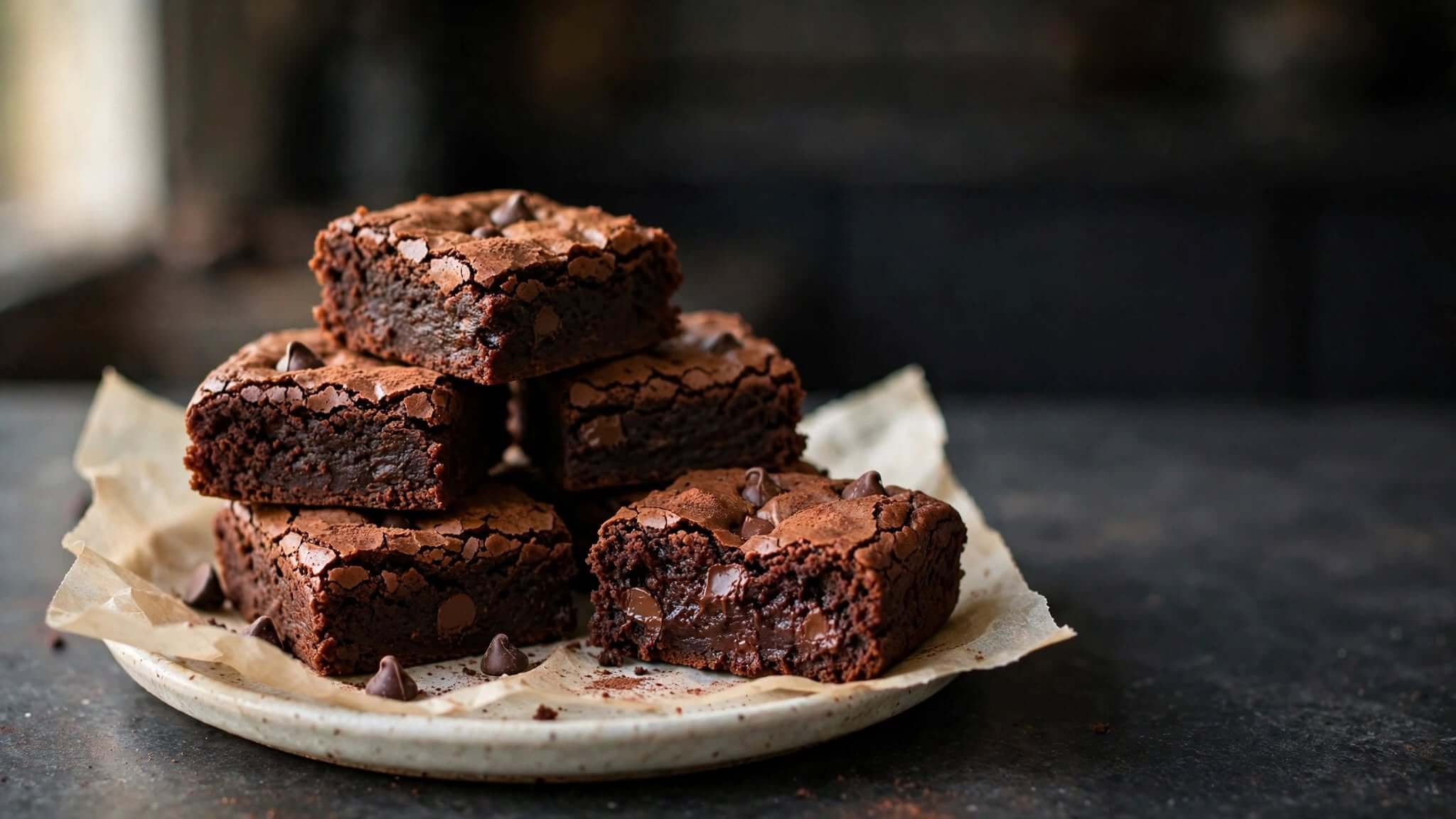
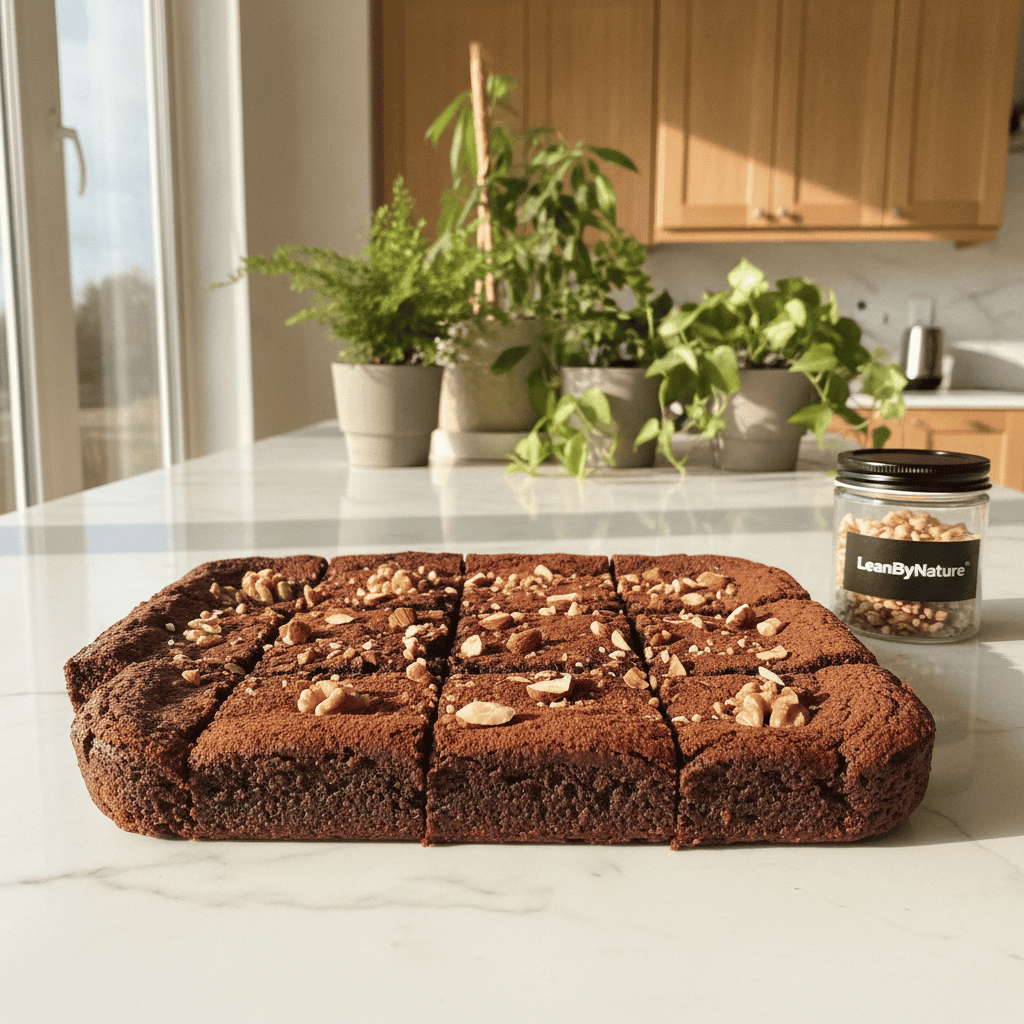
Protein brownies and bars are a good choice when you want something rich, chocolatey, and easy to portion. Depending on the recipe, ingredients can include cocoa powder, oats, eggs, Greek yogurt, nut butter, or protein powder.
The main challenge with protein baking is keeping the texture tender rather than dry. Measuring ingredients accurately and avoiding overbaking can make a noticeable difference.
See the Protein Brownies & Bars cluster page for more recipes and ideas.
Protein Cookies
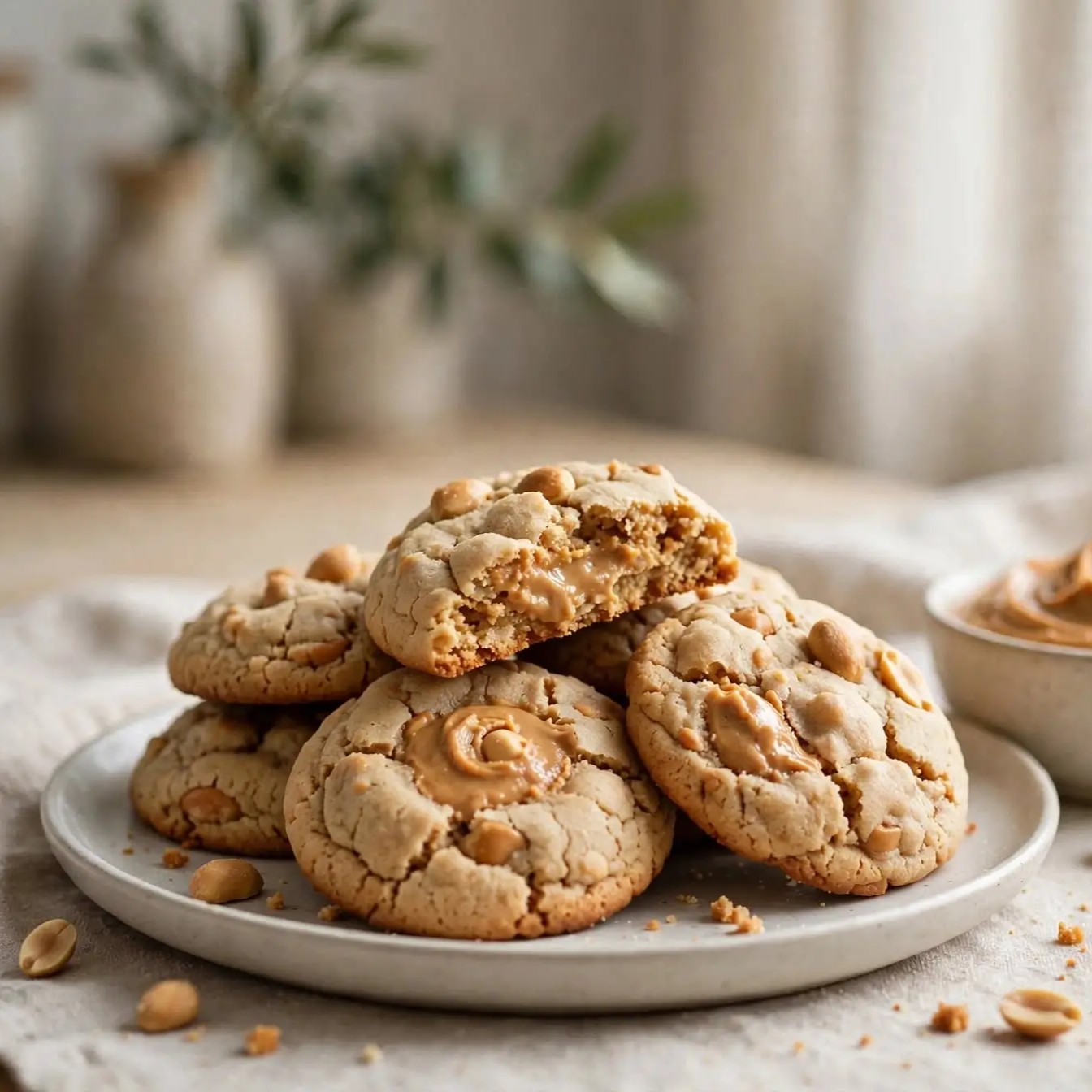
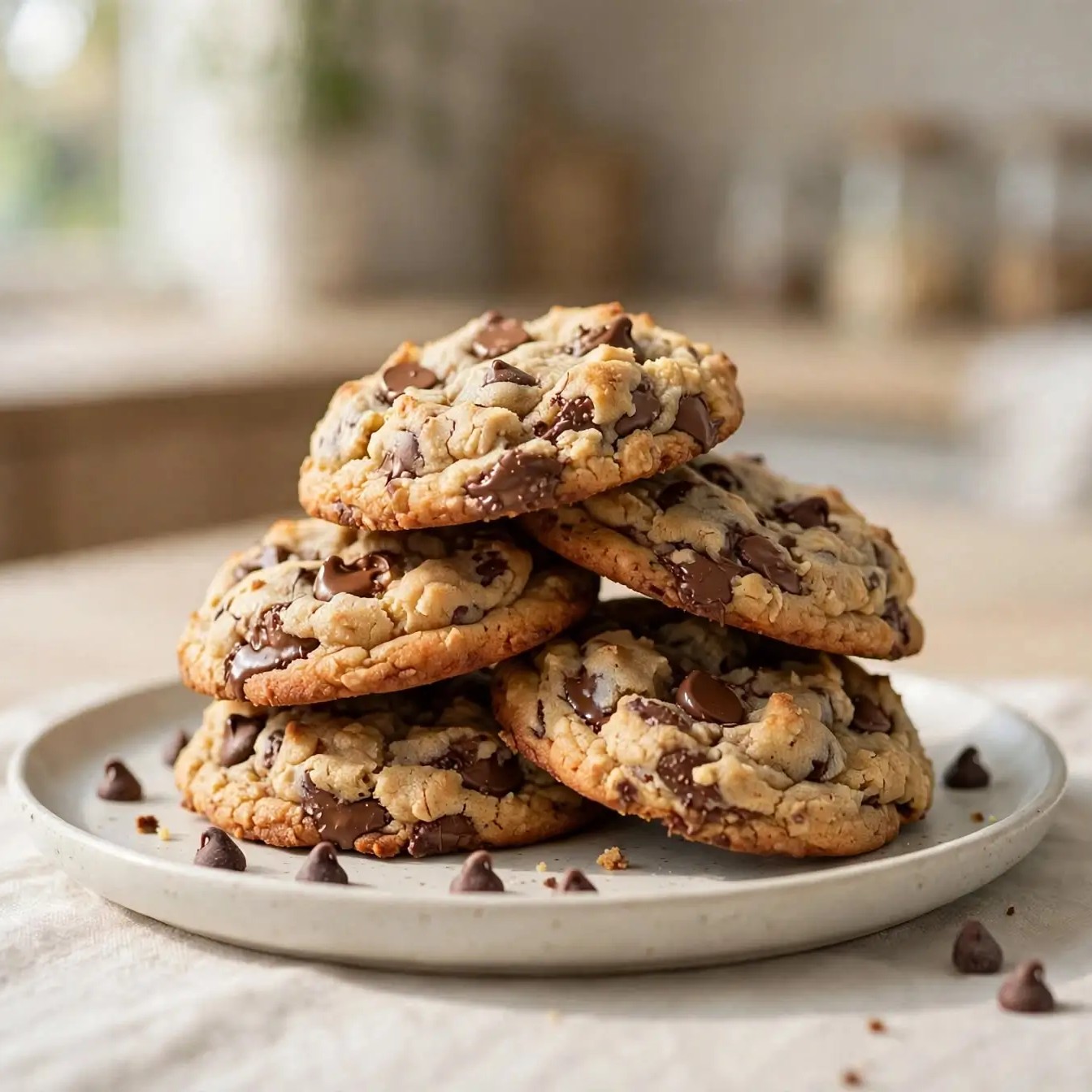
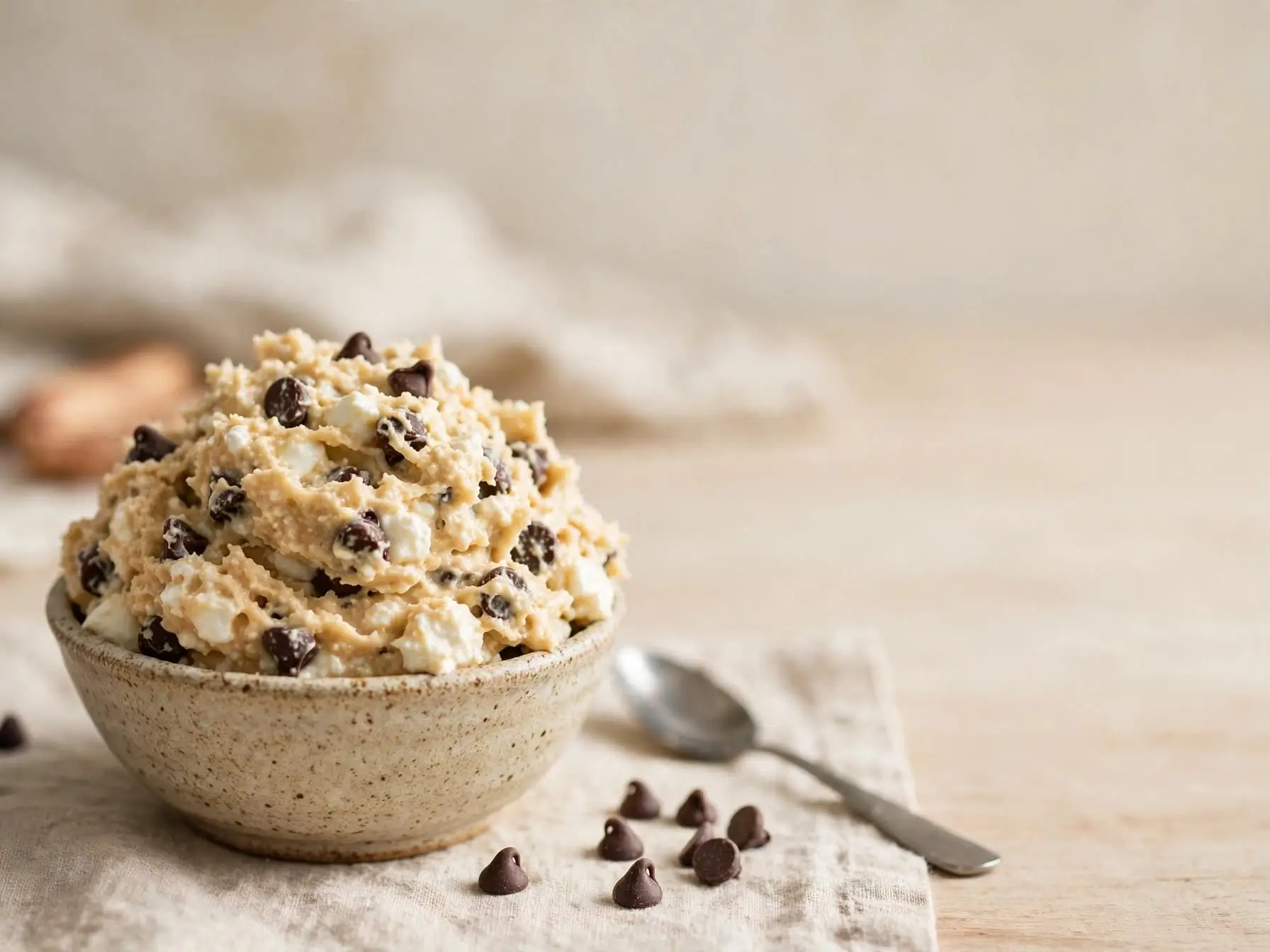
Protein cookies can range from soft and chewy to crisp around the edges. Common ingredients include oats, nut or seed butter, eggs, milk, protein powder, and chocolate chips.
Because protein powders absorb liquid differently, cookie dough may need some adjustment depending on the product you use. I prefer adding liquid gradually when a recipe calls for it rather than making the dough too wet from the start.
See the Protein Cookies cluster page for more recipes and ideas.
High-Protein Cheesecake
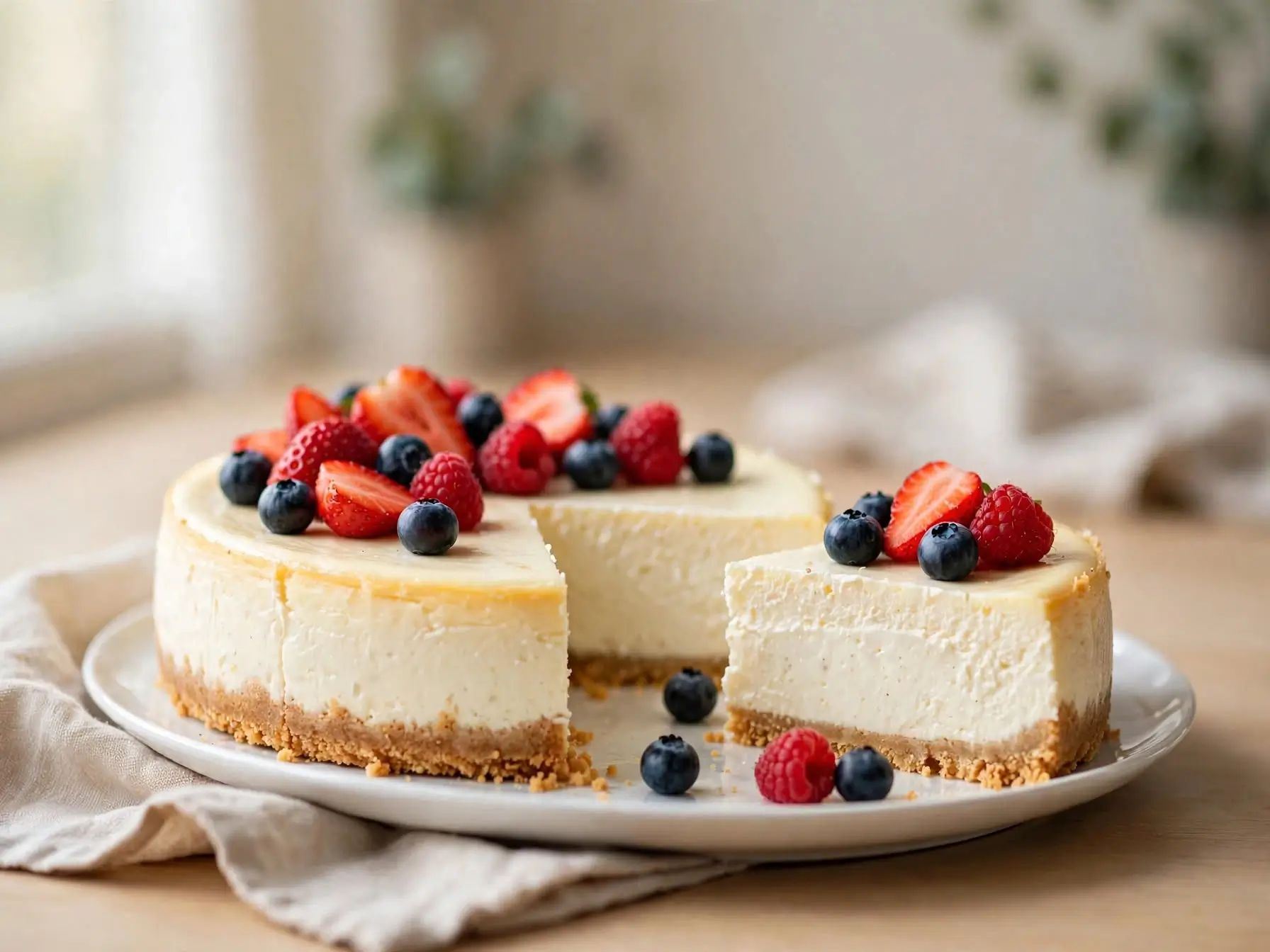
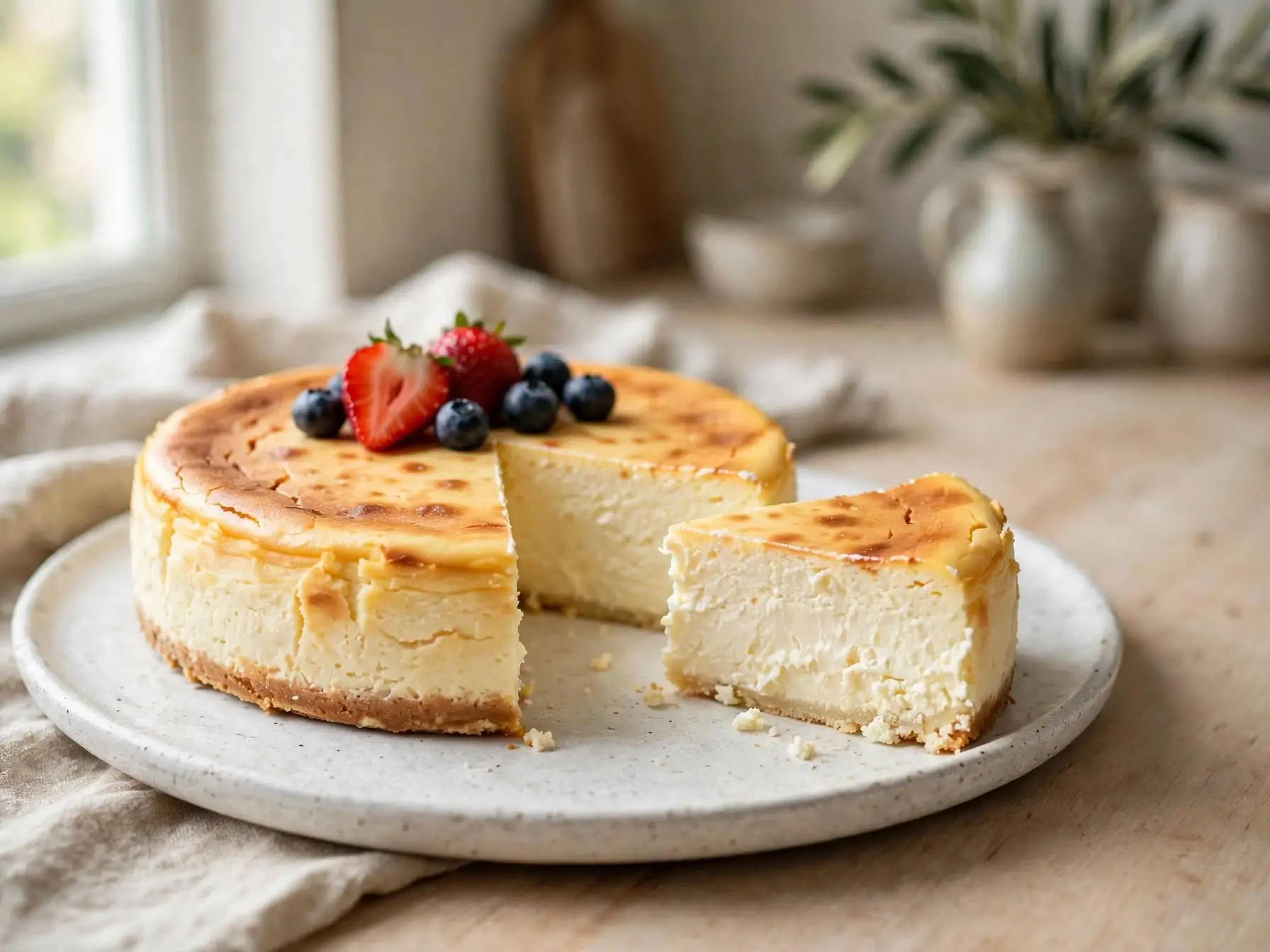
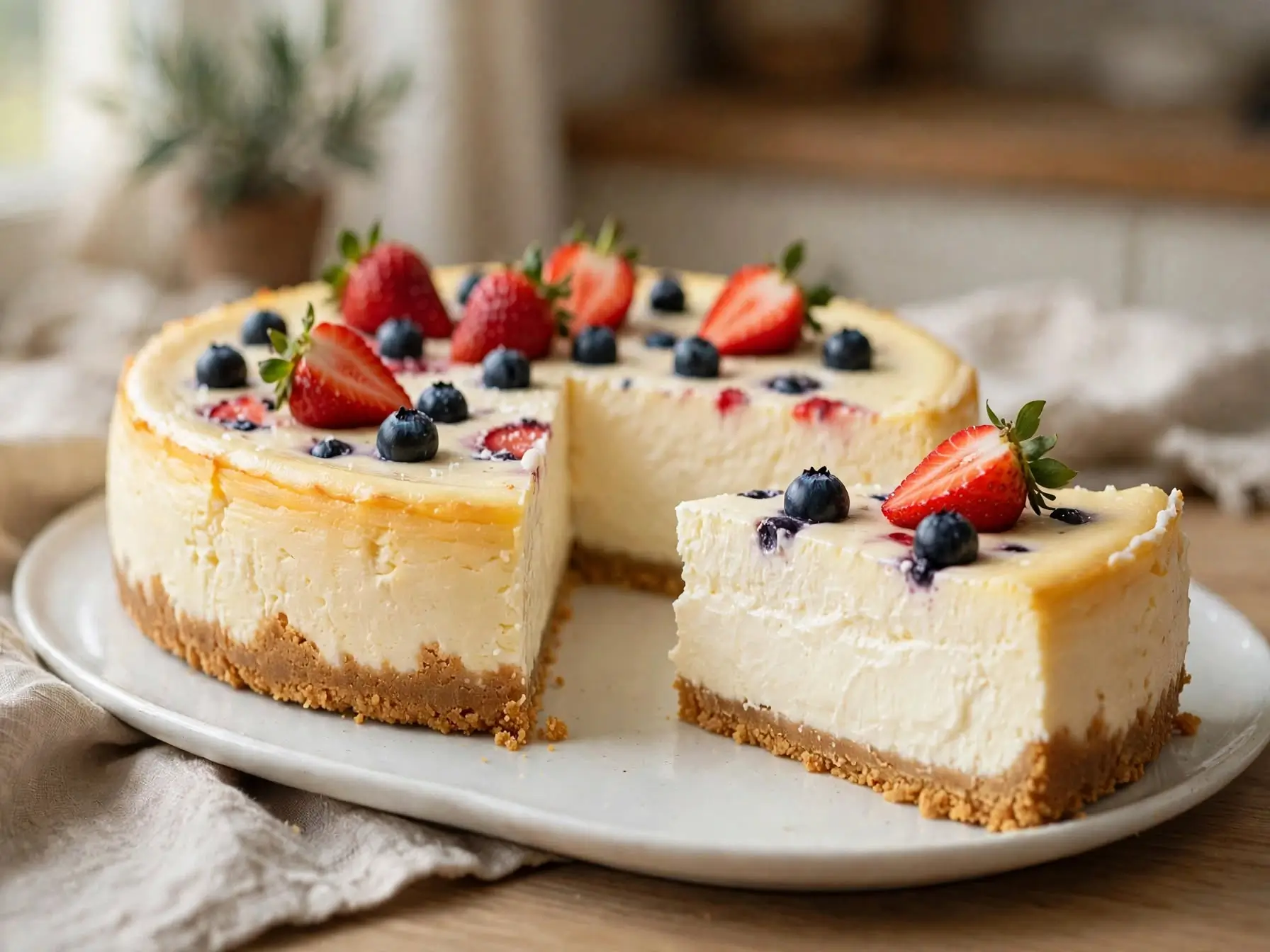
High-protein cheesecake is a creamy dessert category that can be made in several ways. Greek yogurt, cottage cheese, cream cheese, eggs, and protein powder can all play different roles depending on the recipe.
Blending cottage cheese until smooth is particularly useful when you want a cheesecake filling without noticeable curds. Chilling is also important because many cheesecake-style desserts become firmer as they cool.
See the High-Protein Cheesecake cluster page for more recipes and ideas.
Cottage Cheese Desserts
Cottage cheese works surprisingly well in sweet recipes because it can be blended into a smooth, creamy base. It pairs naturally with berries, chocolate, peanut butter, cinnamon, vanilla, and other familiar dessert flavors.
You can use it in mousse-style desserts, cheesecakes, puddings, frozen treats, and other simple recipes. If you do not enjoy the texture of cottage cheese straight from the container, blending it is an easy way to create a smoother consistency.
See the Cottage Cheese Desserts cluster page for more recipes and ideas.
How to Choose a High-Protein Dessert
Start with the texture you want. If you are craving something rich and chocolatey, brownies or bars may be the right choice. For something softer and portable, cookies are a practical option. If you want a creamy dessert, cheesecake or a blended cottage cheese recipe may work better.
Next, consider how much time you have. No-bake desserts can be convenient when you want to mix everything together and let the refrigerator do the work. Baked desserts take longer but can be prepared in batches.
The ingredients you have available can also guide your choice. If you have cottage cheese in the refrigerator, try a blended dessert rather than buying specialty ingredients. Greek yogurt can work well in creamy recipes, while oats and nut butter are useful in cookies and bars.
If you use protein powder, choose a recipe that works with the type you have. Whey and plant-based powders can behave differently, so avoid assuming that every protein powder can be substituted at the same amount without changing the texture.
Finally, think about storage. Some desserts need refrigeration, while others can be frozen. If you are preparing dessert for several days, choose a recipe that maintains a texture you enjoy after chilling.
High-Protein Desserts for Different Needs
For Breakfast
Some high-protein desserts can work as part of breakfast when you prefer something sweet in the morning. Baked oatmeal bars, cheesecake-style yogurt recipes, or protein cookies can be paired with fruit or another breakfast food.
Preparing portions ahead can make sweet breakfasts more convenient during busy mornings.
For Work
Individual portions are useful when you want to bring dessert to work. Protein cookies, brownies, bars, and chilled cheesecake portions can be prepared ahead and packed according to their storage requirements.
For refrigerated desserts, use an insulated lunch bag and cold pack when necessary.
For a Sweet Snack
Cookies, brownies, bars, and small portions of cheesecake can all work as snack-style desserts. Portion the recipe after it has cooled or chilled so the pieces are easier to store and grab when needed.
For Meal Prep
Choose desserts that keep their texture after refrigeration or freezing. Brownies, bars, cookies, and cheesecake-style desserts can often be prepared in batches.
I like storing individual portions so I do not have to cut or portion the entire batch every time.
For Different Flavor Preferences
High-protein desserts do not have to taste the same. Chocolate, vanilla, peanut butter, berries, cinnamon, lemon, coconut, and coffee-inspired flavors can all work depending on the recipe.
You can also change toppings without changing the base recipe. Fresh berries, chopped nuts, cocoa powder, shredded coconut, or a small drizzle of nut butter can add variety.
Tips for Making High-Protein Desserts
Measure ingredients carefully. Baking is less forgiving than many stovetop recipes. Small changes in flour, oats, protein powder, or liquid can affect the final texture.
Do not automatically add more protein powder. More powder can make a dessert dry, dense, or chalky. Follow the recipe’s recommended amount and adjust only when you understand how the ingredients work together.
Pay attention to protein powder type. Whey, casein, whey-casein blends, and plant-based powders can all absorb liquid differently. If you switch brands or types, the batter or dough may need adjustment.
Avoid overbaking. Brownies, cookies, and bars can continue to firm up as they cool. Removing them from the oven when they are appropriately set can help prevent a dry texture.
Blend cottage cheese thoroughly. If you are using cottage cheese in a smooth dessert, blend it until the curds are no longer noticeable. A high-speed blender or food processor can help create a creamier consistency.
Let desserts cool completely. Some baked high-protein desserts may seem too soft immediately after coming out of the oven. Cooling gives the structure time to set.
Use chilling to your advantage. Cheesecake-style desserts, puddings, and some no-bake recipes become thicker and easier to portion after refrigeration.
Adjust sweetness carefully. Different protein powders and dairy products can have very different levels of sweetness. If you are making a recipe for the first time, taste the mixture when it is safe to do so before adding more sweetener.
Make realistic substitutions. Swapping Greek yogurt for cottage cheese or whey protein for a plant-based powder may work in some recipes, but the moisture and texture can change. When possible, use substitutions that are close to the original ingredient.
Store desserts according to their ingredients. Desserts containing dairy, eggs, or other perishable ingredients generally need refrigeration. If you will not eat them within the recommended refrigerated storage period, freezing may be a better option.
Frequently Asked Questions
What makes a dessert high in protein?
A high-protein dessert includes a meaningful protein source such as Greek yogurt, cottage cheese, eggs, milk, cheese, nut butter, or protein powder. The exact amount of protein depends on the ingredients, quantities, and serving size.
Do I need protein powder to make high-protein desserts?
No. Many desserts can include protein from cottage cheese, Greek yogurt, eggs, milk, cheese, and nut butter. Protein powder can be useful in certain recipes but is not necessary for every dessert.
Why do some protein desserts taste dry?
Dryness can come from too much protein powder, too little moisture, overbaking, or the specific type of protein powder used. Whey, casein, and plant-based powders can all affect texture differently.
Can I use cottage cheese in desserts?
Yes. Cottage cheese works especially well when blended until smooth. It can be used in cheesecakes, mousse-style desserts, puddings, frozen treats, and other sweet recipes.
How should I store high-protein desserts?
Storage depends on the recipe and ingredients. Desserts containing dairy or eggs generally need refrigeration. Some brownies, bars, cookies, and cheesecake-style desserts can also be frozen for longer storage, although freezing may slightly change the texture.
Can I make high-protein desserts ahead of time?
Yes. Many brownies, bars, cookies, cheesecakes, and cottage cheese desserts are suitable for preparing ahead. Cool baked desserts completely before storing, and chill recipes that require refrigeration before portioning or serving.
Conclusion
High-protein desserts can be a fun way to experiment with familiar ingredients while creating more variety in your dessert rotation. You can keep things rich and chocolatey with brownies and bars, make individual portions with cookies, or go creamy with cheesecake and cottage cheese desserts.
I recommend starting with the category that matches what you are craving. If you enjoy baking, try protein brownies or cookies. If creamy desserts are more your style, explore cheesecake or blended cottage cheese recipes.
The goal is not to make dessert complicated. It is to find recipes with flavors and textures you enjoy enough to make again.