
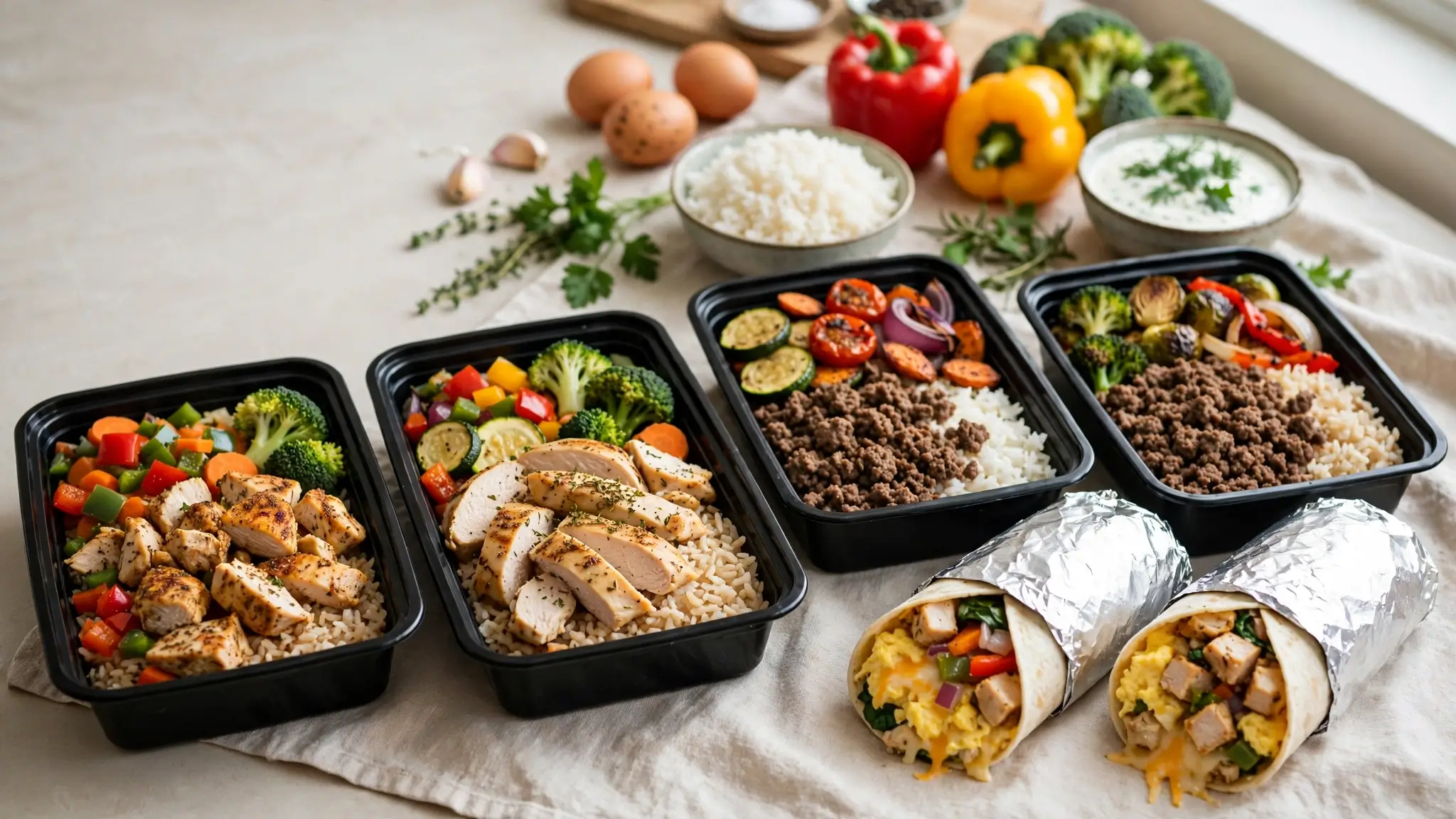
High-Protein Meal Prep
High-protein meal prep can make weekday meals much easier to manage. Instead of figuring out what to cook every day, you can prepare several portions at once and have breakfasts, lunches, or dinners ready to go. I especially like meal prep recipes that use familiar ingredients and can be mixed and matched throughout the week without requiring complicated cooking.
There are plenty of ways to approach high-protein meal prep. You can prepare ground beef with rice and vegetables, make chicken bowls for several lunches, or assemble breakfast burritos that can be reheated when you need them. The right method depends on how much time you have, what meals you enjoy, and how much storage space you have available.
In this guide, I’ll share four practical high-protein meal prep ideas along with tips for choosing recipes, adding more protein, preparing food efficiently, and storing your meals properly. The goal is to make meal prep feel manageable rather than like an all-day project.
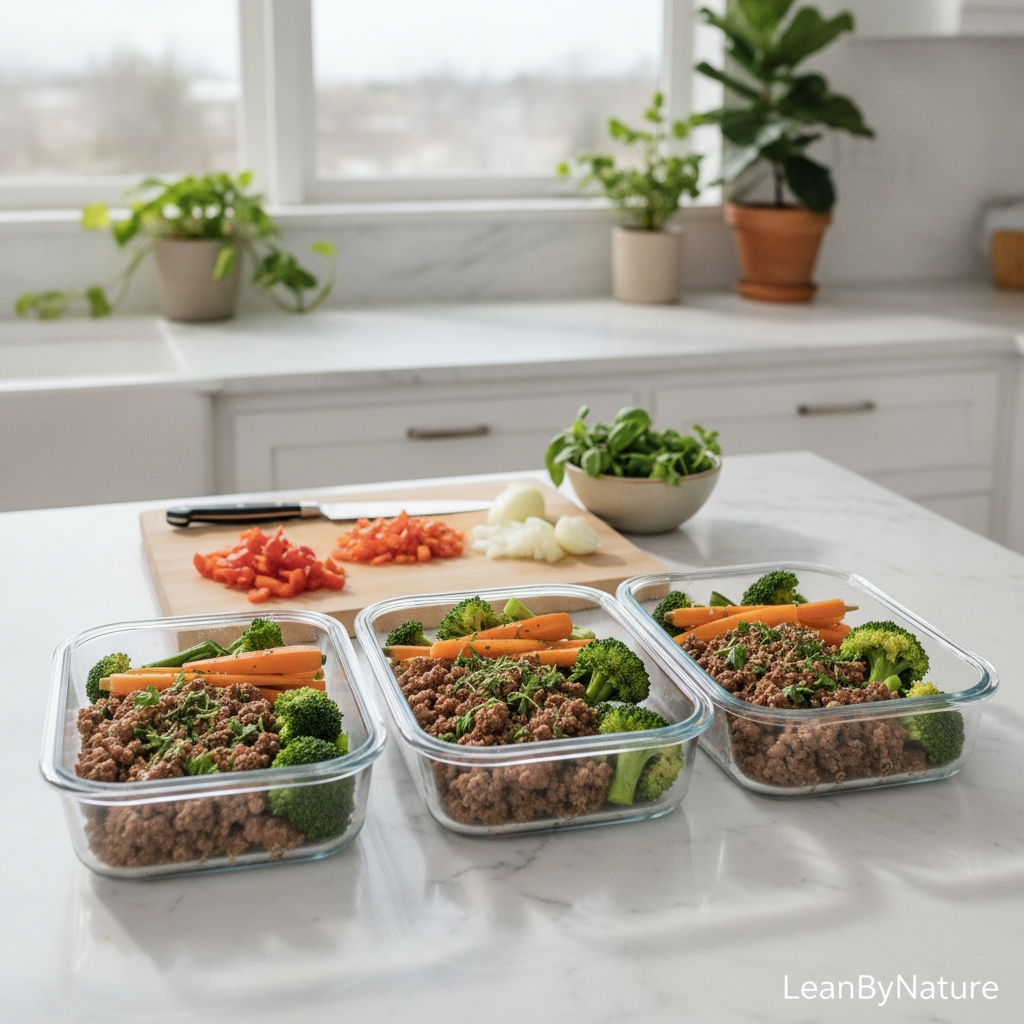
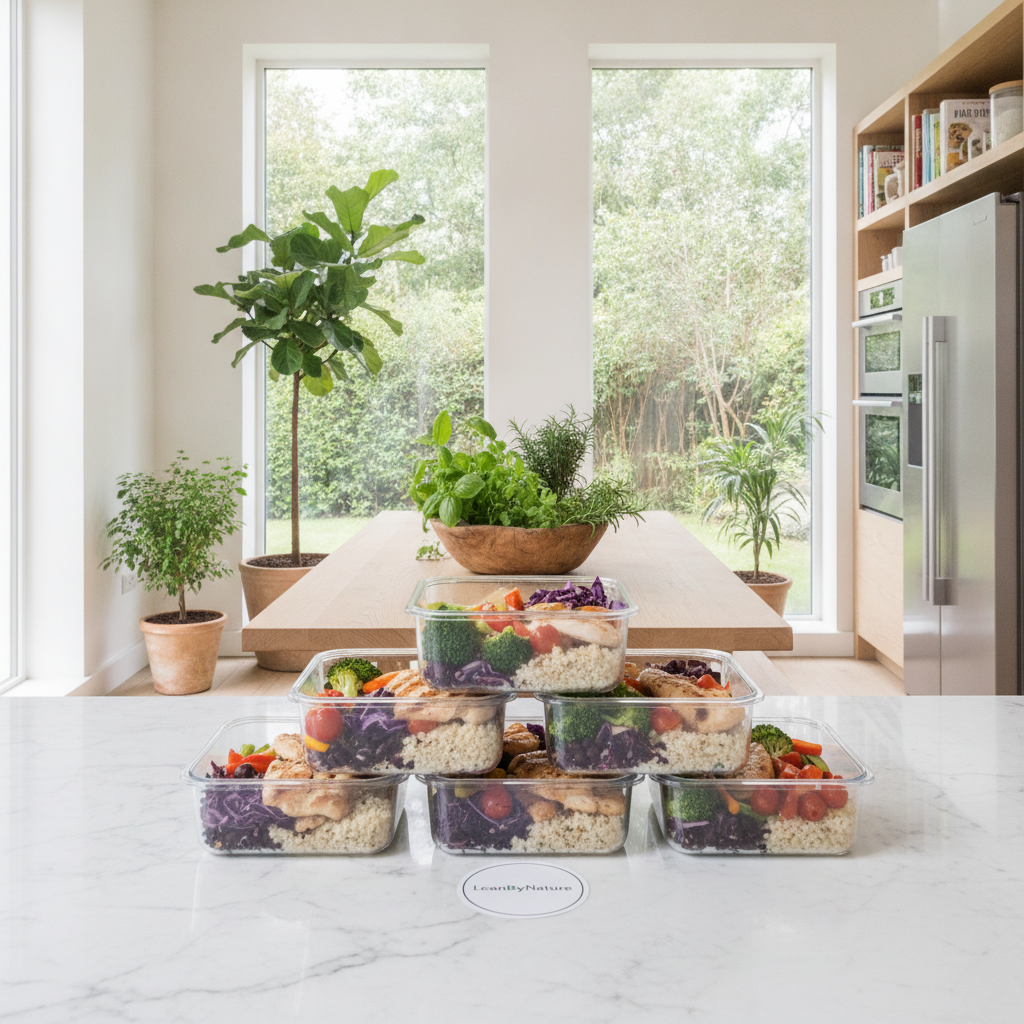
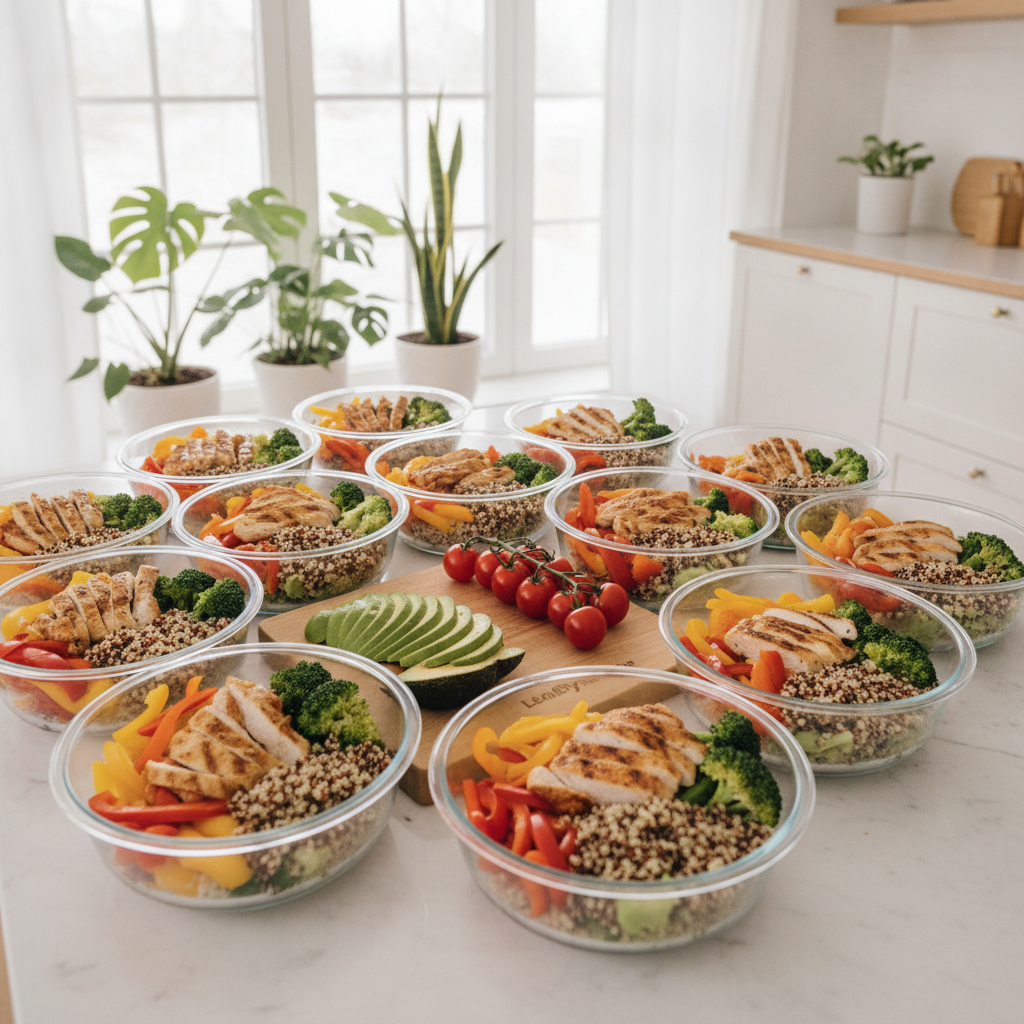
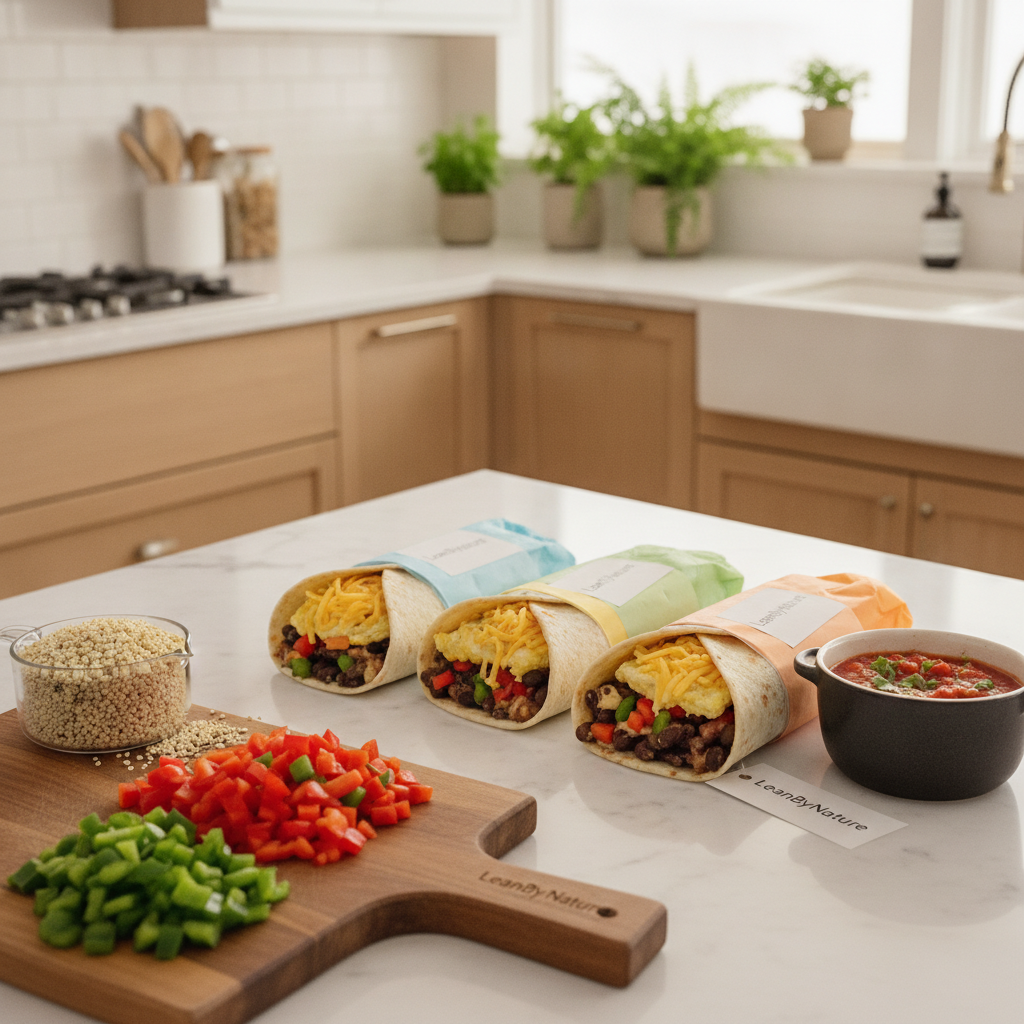
Table of Contents
What Is High-Protein Meal Prep?
High-protein meal prep means preparing meals or individual ingredients ahead of time so they are ready to eat during the week. The meals are built around protein-rich ingredients such as chicken, ground beef, eggs, Greek yogurt, cottage cheese, beans, lentils, or other foods that contribute protein.
Meal prep can look different from one person to another. Some people prepare complete meals and portion them into containers, while others cook a few basic ingredients and combine them differently throughout the week. I often prefer the second approach when I want more variety without doing completely separate cooking sessions.
A good high-protein meal prep recipe should also hold up well after refrigeration or freezing. Rice, roasted vegetables, cooked chicken, ground beef, and breakfast burritos can all work well when stored and reheated correctly. Fresh toppings and sauces are often better stored separately.
You don’t need to prepare every meal for the entire week at once. Starting with a few portions can be more practical, especially when you’re figuring out which recipes and storage methods work best for your routine.
Our Best High-Protein Meal Prep
These four recipes cover several parts of the day, from breakfast burritos to chicken and ground beef lunch bowls. I like having different formats available because eating the same meal every day can get repetitive.
Ground beef meal prep is a good choice when you want something hearty, while chicken bowls are easy to customize with different vegetables and sauces. Breakfast burritos can be prepared ahead and frozen, making them useful when mornings are busy. If you want a more general starting point, simple high-protein meal prep ideas let you combine a few prepared ingredients into different meals throughout the week.
High-Protein Ground Beef Meal Prep
Ground beef is a convenient meal prep protein because it cooks relatively quickly and works well with rice, potatoes, vegetables, beans, and different seasoning combinations. You can prepare a large batch and divide it into individual portions.
For better texture throughout the week, include a sauce or another moist component when appropriate. Fresh toppings can be added just before eating so they remain crisp.
Easy High Protein Meal Prep Ideas for the Week
A flexible meal prep approach starts with a few basic ingredients rather than several completely different recipes. Cook a protein such as chicken or ground beef, prepare a grain or potato, and add several vegetables.
You can then change the seasonings and sauces between portions. This keeps the prep manageable while giving each meal a slightly different flavor. Store components separately when that makes assembly easier.
Easy High Protein Chicken Meal Prep Bowls for the Week
Chicken meal prep bowls are a practical option for lunches. Combine cooked chicken with rice or another grain, vegetables, and a sauce or dressing. Greek yogurt can be used as the base for a creamy sauce with herbs and spices.
I recommend keeping fresh vegetables and sauce separate when possible. This helps prevent the vegetables from becoming soggy and lets you adjust the amount of sauce when reheating or serving.
Delicious High Protein Breakfast Meal Prep Burritos
Breakfast burritos can be prepared ahead using eggs, chicken or another protein, cheese, vegetables, and a tortilla. Once assembled, they can be refrigerated for short-term storage or frozen for longer storage.
When freezing burritos, wrap them individually so they are easy to portion. Thaw refrigerated burritos before reheating when appropriate, and make sure the center is heated thoroughly before serving.
How to Choose High-Protein Meal Prep
Start by deciding which meals you actually need to prepare. If breakfast is usually rushed, breakfast burritos may be more useful than preparing several lunch portions. If you’re more likely to buy lunch during the week, focus your meal prep on dinners or portable lunches instead.
Next, consider how long you want the food to last. Some meals are better for a few days in the refrigerator, while others can be frozen for longer storage. Choose recipes based on the amount of food you realistically expect to eat rather than preparing more portions than you need.
Texture is another important consideration. Rice, cooked chicken, and ground beef generally reheat well, while some fresh vegetables and toppings are better added later. Sauces can also change the texture of food during storage, so keeping them separate is often helpful.
Finally, think about variety. You don’t necessarily need four completely different recipes. One batch of chicken, one grain, and several sauces or toppings can create multiple combinations. I find this approach easier to maintain because it reduces the amount of cooking while keeping meals from feeling identical.
Easy Ways to Add More Protein to High-Protein Meal Prep
Start with a reliable protein source in each prepared meal. Chicken, lean ground beef, eggs, turkey, fish, beans, lentils, tofu, Greek yogurt, and cottage cheese can all be useful depending on the meal.
For breakfast burritos, eggs can be combined with chicken, turkey, beans, or cheese. For bowls, adding beans or lentils alongside chicken or ground beef can increase the protein while also changing the texture.
Greek yogurt is particularly useful as a meal prep sauce or topping. Mix it with herbs, spices, garlic, or lemon juice for a creamy addition to chicken bowls and other savory meals. Cottage cheese can also be blended into sauces when its texture needs to be smooth.
Higher-protein pasta, milk, cheese, seeds, and nuts can contribute additional protein where they fit naturally. I prefer choosing one or two additions rather than trying to maximize every meal with several different protein sources.
The total protein will vary depending on the ingredients, brands, quantities, and serving sizes you use. If you need an exact number, calculate it using the specific products in your meal prep.
Tips for Preparing High-Protein Meal Prep
Keep your meal prep organized by preparing ingredients in batches. While rice or another grain cooks, you can season and cook the chicken or ground beef and prepare vegetables at the same time. Using several simple components is often more manageable than making multiple complicated recipes.
Portion meals into individual containers once the food is ready. This makes weekday meals easier to grab and helps you keep track of how many servings you have prepared. Allow cooked food to cool appropriately before sealing containers and refrigerating or freezing them.
Think about texture when deciding what goes into each container. Keep sauces, fresh vegetables, herbs, and crunchy toppings separate when they may become watery or lose their texture. Add them shortly before serving.
For breakfast burritos, wrap each burrito individually before freezing. For bowls, use containers that can be reheated safely and keep any fresh toppings separate.
Use safe food-handling practices throughout the process. Refrigerate perishable cooked foods promptly, keep your refrigerator at 40°F (4°C) or below, and reheat leftovers thoroughly before eating. When in doubt about how long a particular prepared food should be stored, follow established food-safety guidance for that ingredient.
Frequently Asked Questions
How many days can high-protein meal prep last?
Storage time depends on the specific ingredients and how the food was prepared and stored. Keep cooked perishable foods refrigerated promptly and use appropriate food-safety guidelines for leftovers. Meals that will not be eaten within the recommended refrigerated storage period can often be frozen instead.
Can I freeze high-protein meal prep?
Yes, many meal prep foods freeze well. Cooked ground beef, chicken, rice, and breakfast burritos are common options. Fresh vegetables and creamy sauces may change texture after freezing, so consider adding those after thawing when possible.
What is the best protein for meal prep?
There isn’t one best option for every meal. Chicken and ground beef are versatile, while eggs work particularly well for breakfast. Beans, lentils, Greek yogurt, cottage cheese, tofu, and fish can also be useful depending on the recipe and how you plan to store it.
How do I keep meal prep from getting boring?
Use different sauces, seasonings, and toppings with the same basic ingredients. For example, prepared chicken and rice can become several different meals when paired with different vegetables and sauces. You can also rotate between chicken, ground beef, eggs, beans, and other protein sources.
Should I meal prep for the entire week?
You don’t have to. Preparing a few days of meals may be easier when you’re starting out or when you prefer more variety. You can also freeze some portions and refrigerate the rest so you have prepared meals available without keeping everything in the refrigerator for the same amount of time.
Conclusion
High-protein meal prep can save time during the week without requiring you to cook every meal from scratch. Ground beef, chicken, eggs, rice, vegetables, and other familiar ingredients give you plenty of options for building meals you can prepare ahead. I like keeping the process flexible by cooking a few basic components and changing the sauces, toppings, or seasonings throughout the week. Start with a small batch and choose recipes that store and reheat well for your routine. Once you find a few combinations you enjoy, meal prep becomes much easier to repeat.