
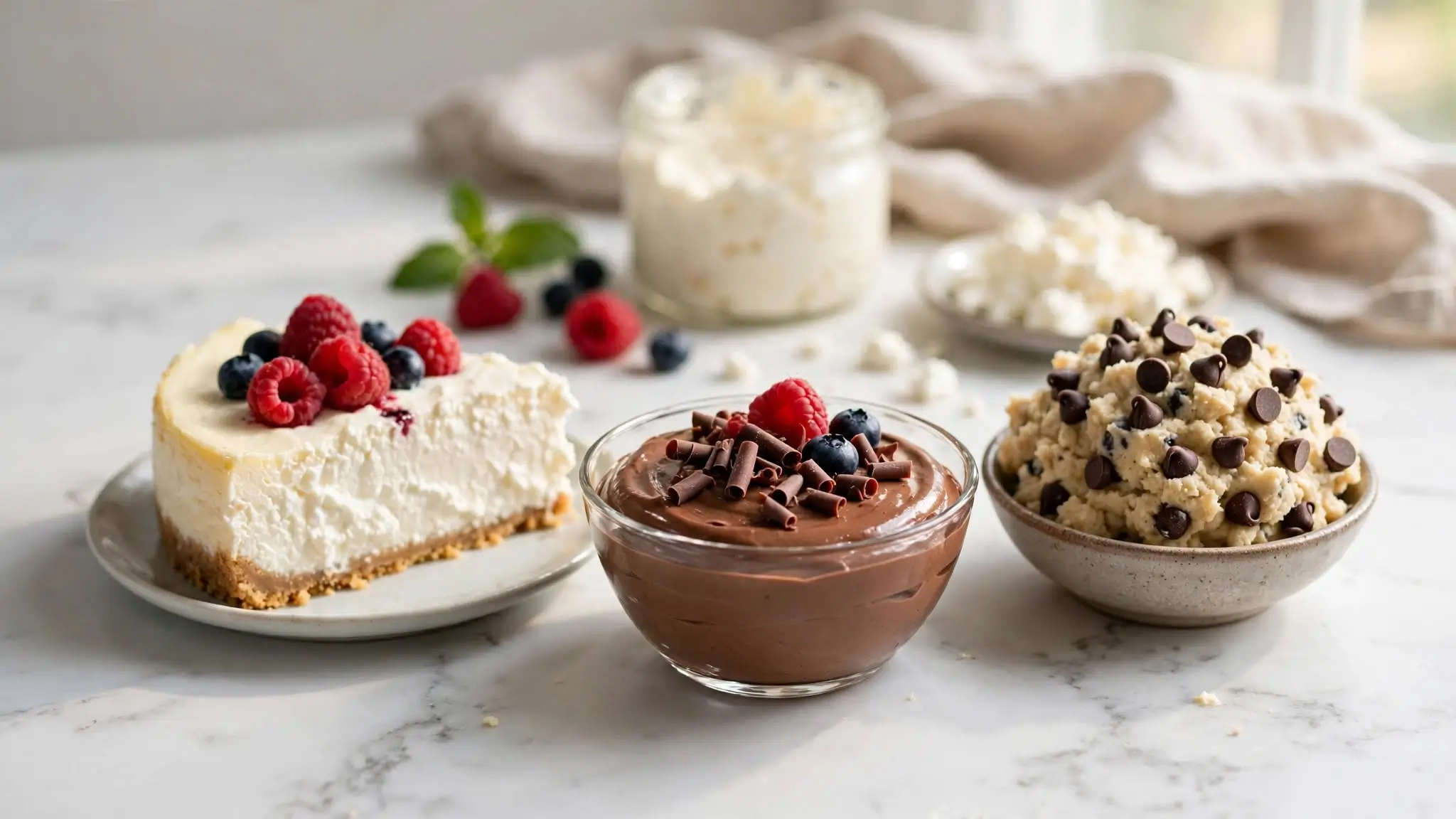
Cottage Cheese Desserts
If you’re looking for cottage cheese desserts that feel creamy, satisfying, and easy to fit into everyday eating, you have plenty of options beyond simply eating cottage cheese from a bowl. I like cottage cheese because it works especially well in desserts where you want a creamy texture and a convenient source of protein.
The key is blending or mixing it with ingredients that complement its mild flavor. Cocoa powder, chocolate, vanilla, fruit, maple syrup, nut butter, and Greek yogurt can all turn cottage cheese into a dessert that feels much more indulgent than the ingredient list suggests.
In this collection, I’m sharing three cottage cheese desserts to try: protein cookie dough, a creamy cheesecake, and chocolate mousse. Each one has a slightly different texture and preparation method, so you can choose based on what you’re craving. They’re also flexible enough to adjust the sweetness and toppings to suit your taste.
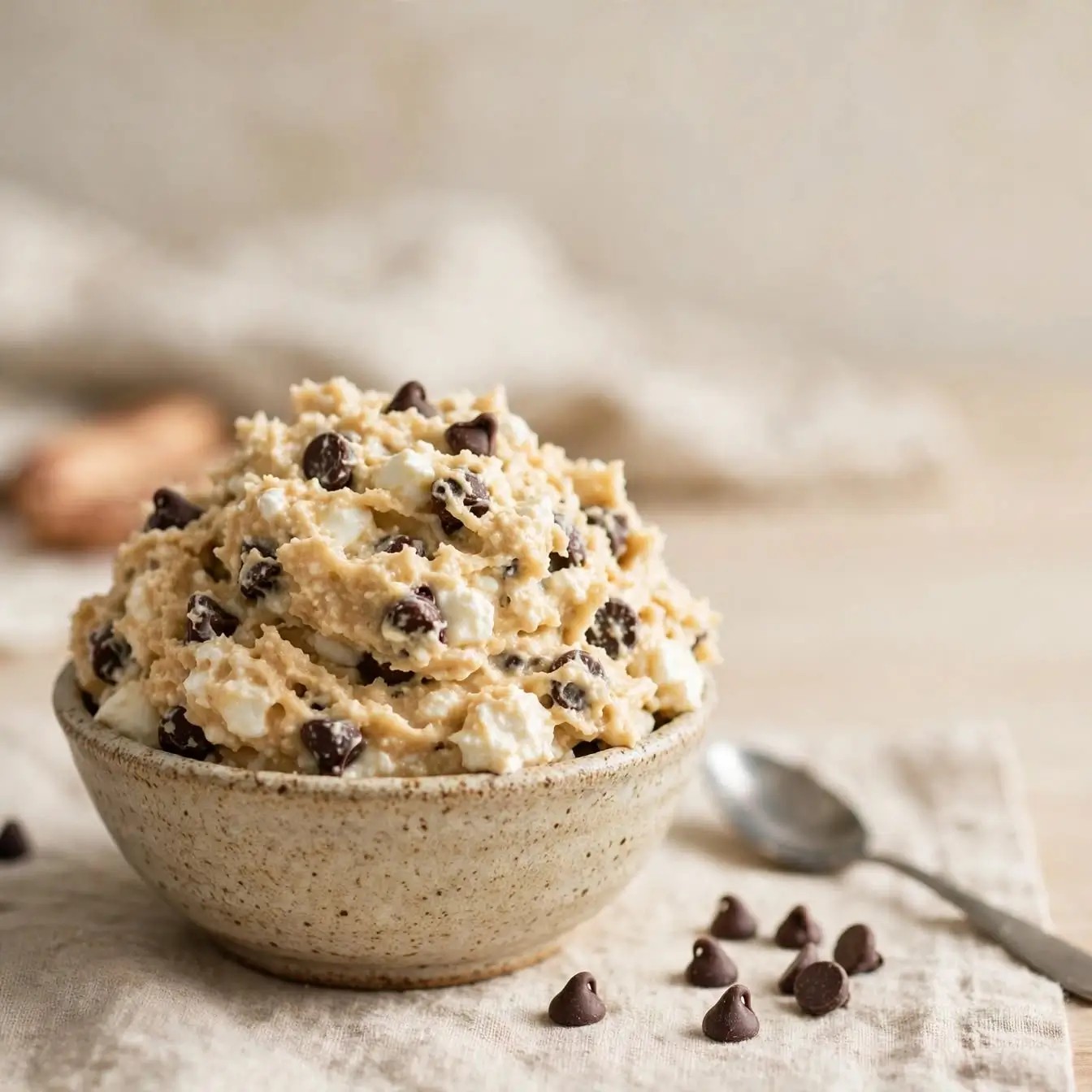
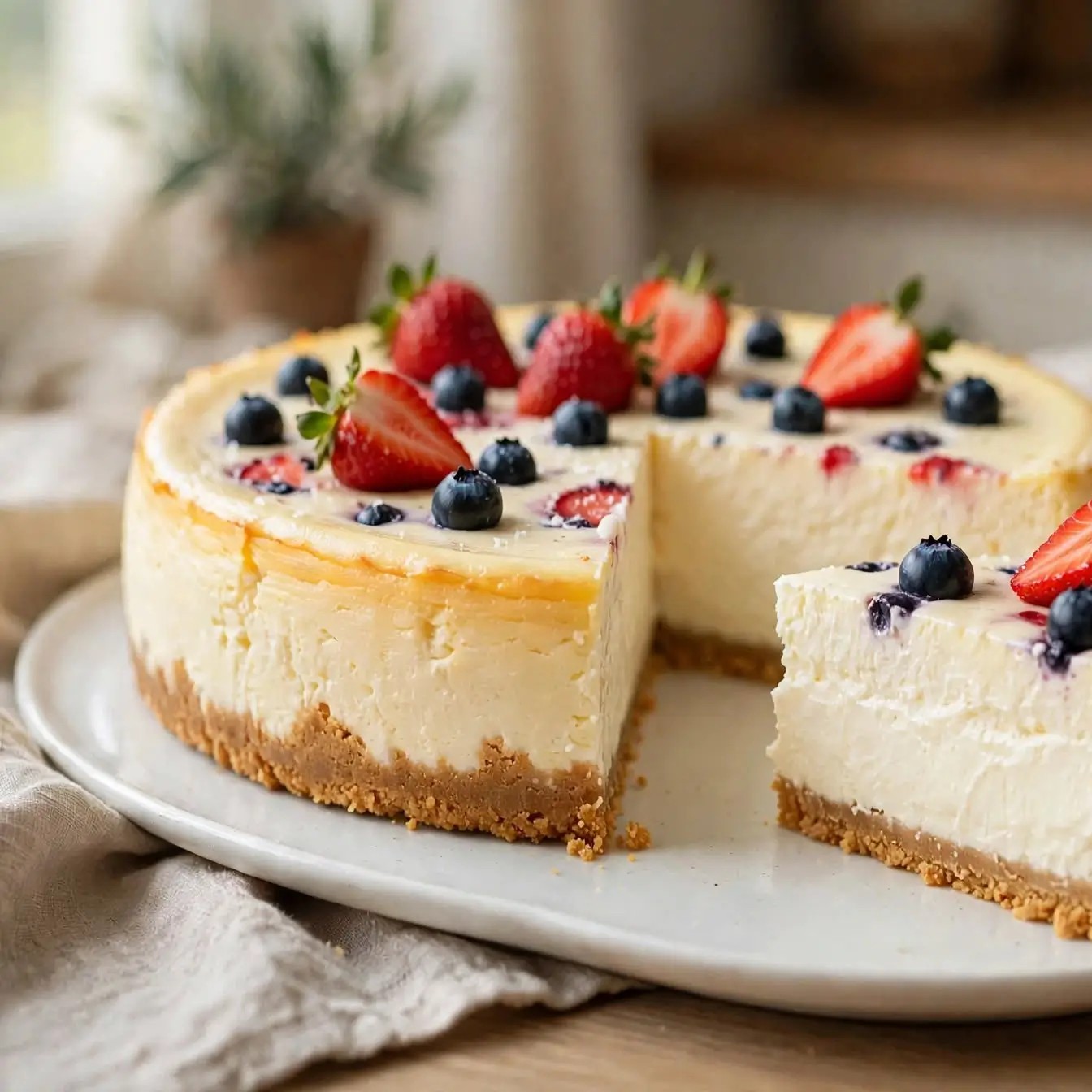
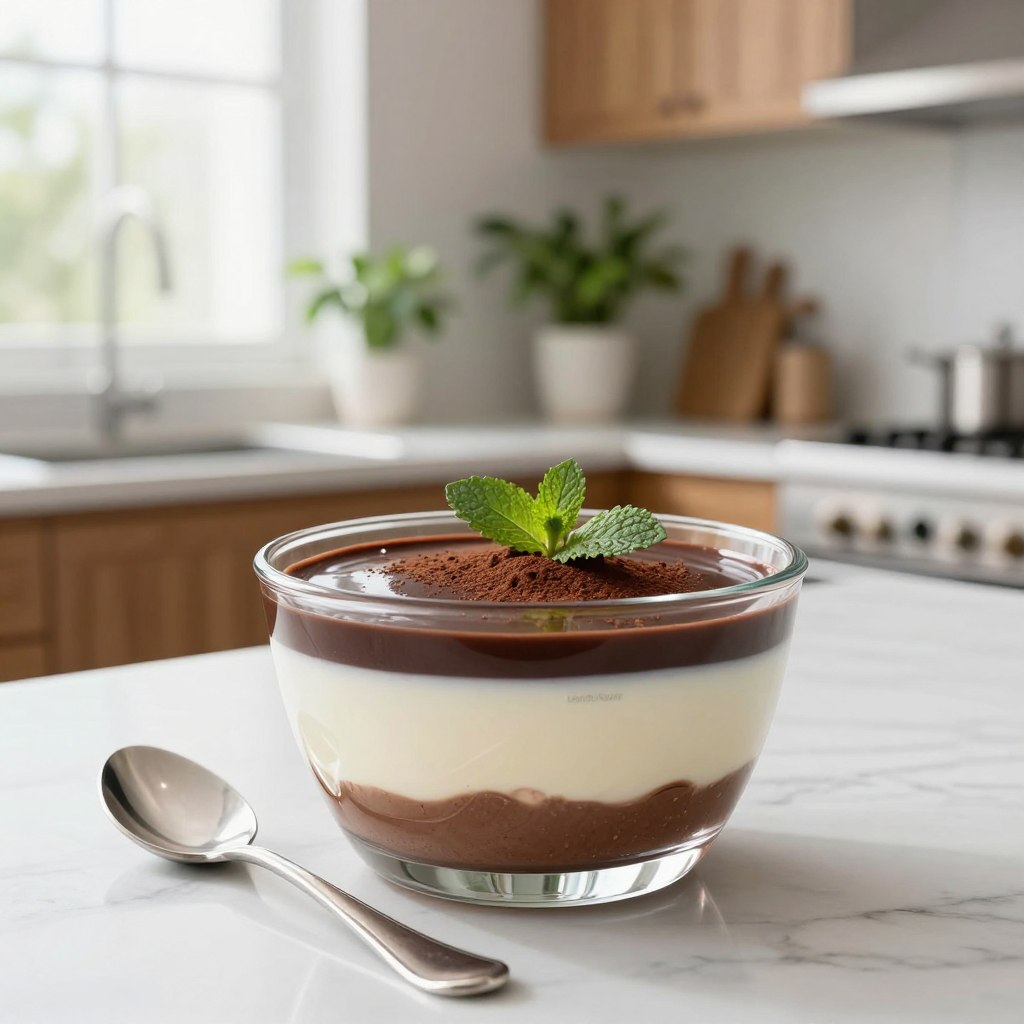
Table of Contents
What Are Cottage Cheese Desserts?
Cottage cheese desserts are sweet recipes that use cottage cheese as one of the main ingredients. Because cottage cheese has a mild flavor, it can be combined with sweet and savory ingredients without overpowering the finished dish.
For smoother desserts, I recommend blending cottage cheese until creamy. This is especially useful for mousse, cheesecake-style fillings, and other recipes where you don’t want visible curds. If you prefer a little texture, you can leave it partially blended or simply stir it into the other ingredients.
Cottage cheese also pairs naturally with other high-protein ingredients such as Greek yogurt, milk, eggs, and protein powder. You don’t need to use all of them in one recipe. In fact, I usually prefer keeping the ingredient list fairly simple so the dessert still tastes like something you would actually want to make again.
Depending on the recipe, cottage cheese desserts can be no-bake, chilled, or baked. That gives you plenty of options for quick snacks, make-ahead desserts, or something a little more substantial after a meal.
Our Best Cottage Cheese Desserts
These three cottage cheese desserts cover a few different textures and preparation styles. The cookie dough is thick and spoonable, the cheesecake is creamy and sliceable after chilling, and the chocolate mousse is smooth and rich.
I like having a mix of options because the right dessert depends on how much time I have and what texture I’m in the mood for. All three can also be customized with toppings or small ingredient swaps.
Cottage Cheese Protein Cookie Dough
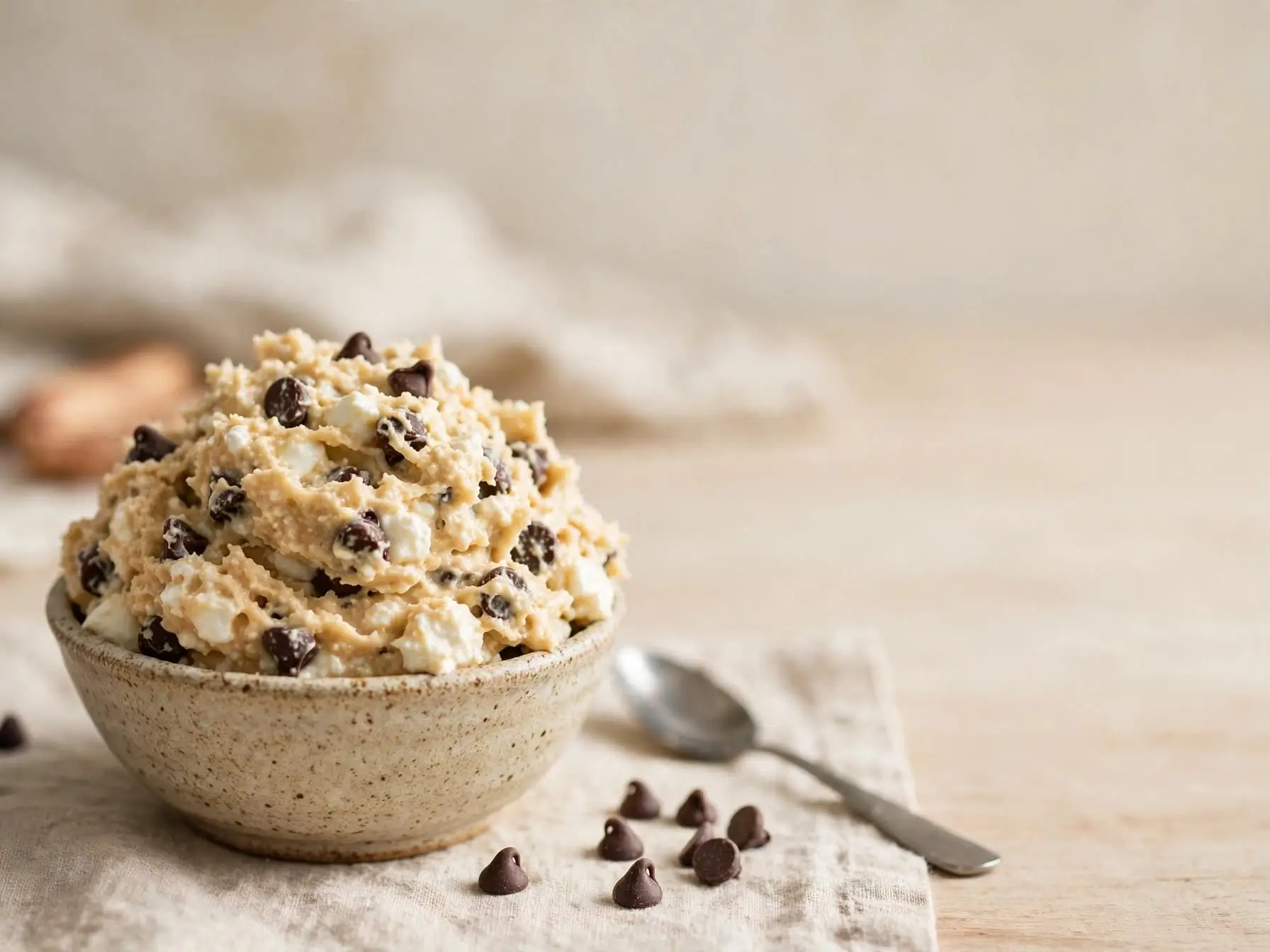
This no-bake cookie dough is thick, creamy, and lightly sweet with a familiar vanilla-and-chocolate-chip flavor. Blend cottage cheese with Greek yogurt, vanilla, maple syrup, and a little protein powder until smooth, then stir in mini chocolate chips and a small amount of oat flour.
The oat flour helps give the mixture a dough-like consistency. If it feels too soft, chill it for 20 to 30 minutes before serving.
For a nutty variation, stir in a spoonful of peanut or almond butter. Keep leftovers refrigerated and use them within a few days.
Creamy Cottage Cheese Cheesecake
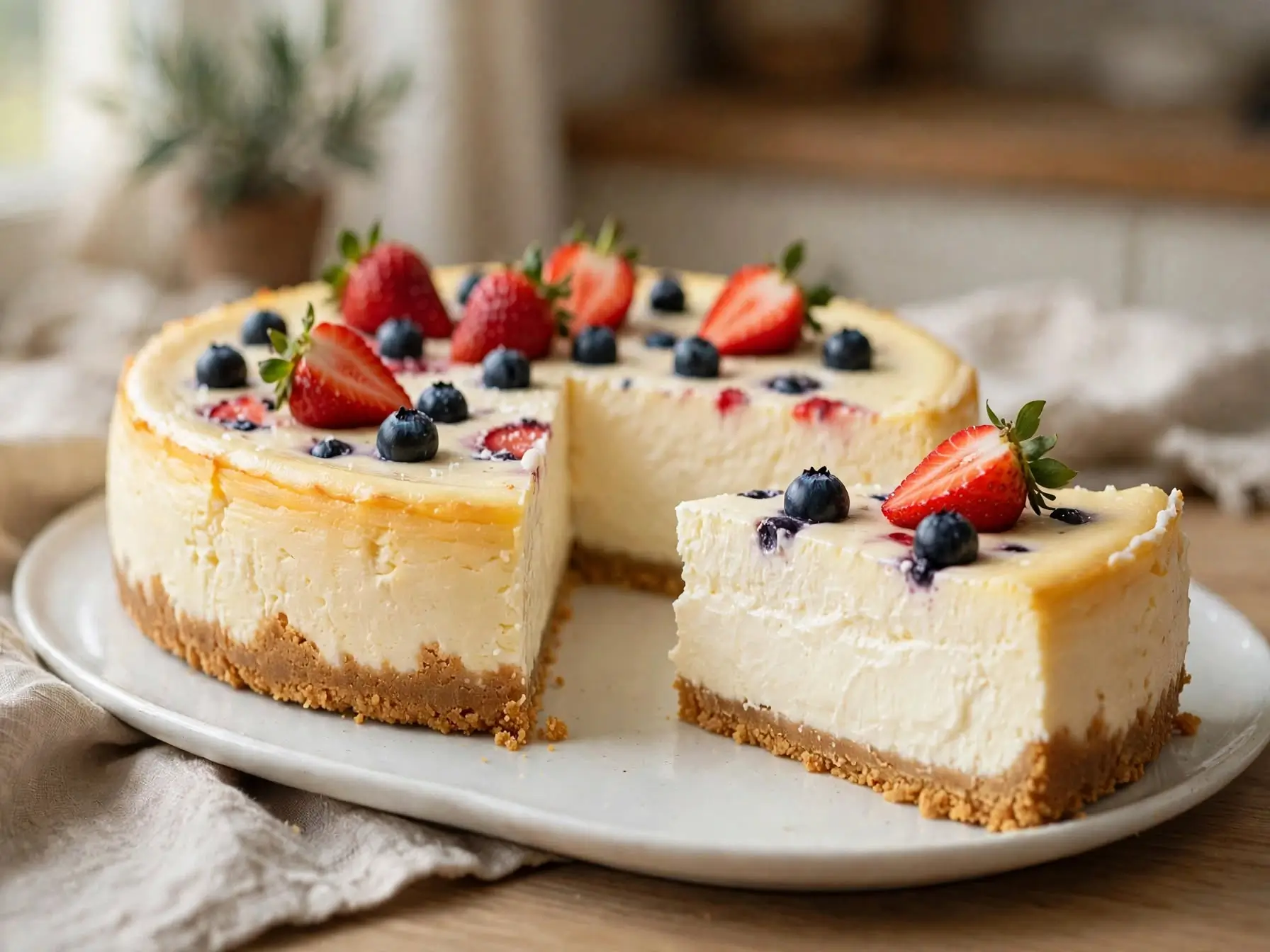
For a cottage cheese cheesecake, blend cottage cheese until completely smooth before combining it with Greek yogurt, eggs, vanilla, and a sweetener such as maple syrup. A little cornstarch helps the filling set as it bakes.
Pour the mixture over a simple graham cracker crust or bake it without a crust if you prefer. Bake at 325°F until the center is mostly set but still has a slight wobble. Let the cheesecake cool, then refrigerate it thoroughly before slicing.
I find that chilling is especially important here. The texture becomes firmer and creamier as it cools, and the cottage cheese flavor becomes much less noticeable.
Delicious Cottage Cheese Chocolate Mousse
Chocolate mousse is one of my favorite ways to use cottage cheese because blending transforms the texture completely. Combine cottage cheese with unsweetened cocoa powder, vanilla, maple syrup, and a little Greek yogurt, then blend until silky smooth.
Taste the mixture before chilling and adjust the sweetness if needed. Different cocoa powders and protein powders can vary in bitterness and sweetness, so it’s better to adjust gradually.
Refrigerate the mousse for at least 30 minutes before serving. Top it with berries, shaved dark chocolate, chopped nuts, or a spoonful of Greek yogurt.
How to Choose a Cottage Cheese Dessert
The best cottage cheese dessert depends on the texture you want, the amount of time you have, and whether you want something baked or ready straight from the refrigerator.
For the quickest option, start with a no-bake dessert such as cookie dough or chocolate mousse. Both can be prepared in minutes and chilled while you finish whatever else you’re doing. They’re particularly useful when you want a small dessert without turning on the oven.
If you want something that feels more like a traditional dessert, cottage cheese cheesecake is a better choice. It takes longer because it needs baking and chilling, but the finished texture is firmer and easier to slice and serve.
You should also consider how smooth you want the dessert to be. Cottage cheese varies in curd size and moisture, so blending makes a noticeable difference. For mousse and cheesecake, I recommend blending thoroughly. For cookie dough, a slightly less-smooth mixture can work well.
Finally, consider your protein preferences. Cottage cheese already contributes protein, while Greek yogurt and protein powder can increase it further. If you use protein powder, remember that different varieties can change the thickness, sweetness, and moisture of the finished dessert.
Easy Ways to Add More High-Protein Cottage Cheese Desserts
Adding more high-protein cottage cheese desserts to your routine doesn’t mean every dessert needs to be complicated. I like starting with recipes that use cottage cheese as the base and then adding one or two ingredients that improve the flavor and texture.
For a simple chocolate dessert, blend cottage cheese with cocoa powder, vanilla, and a little maple syrup. You can add Greek yogurt for a creamier texture or protein powder if you want another source of protein. Chill it and add your favorite toppings.
For a fruit-based option, blend cottage cheese with strawberries, blueberries, or raspberries. A little vanilla and maple syrup can balance the tartness of the fruit. You can serve the mixture immediately as a creamy bowl or chill it for a thicker texture.
Another easy approach is to keep prepared components in the refrigerator. Make a batch of cottage cheese mousse or cheesecake and portion it into small containers. That makes it easier to enjoy a dessert without preparing something from scratch every time.
You can also change the toppings rather than making a completely different recipe. Try chopped nuts, fresh fruit, shredded coconut, cinnamon, peanut butter, or a small amount of chocolate. Small changes can make the same base recipe feel different throughout the week.
Tips for Preparing Cottage Cheese Desserts
The texture of your cottage cheese matters more than you might expect. Some varieties are wetter than others, and that extra moisture can make a no-bake dessert thinner. If your cottage cheese looks particularly watery, drain a little of the excess liquid before blending.
For smooth desserts, use a blender or food processor rather than relying on a hand mixer. Blend long enough for the curds to disappear and the mixture to become creamy. Stop and scrape down the sides as needed.
Be careful when adding liquid. It’s much easier to thin a mixture than to thicken it again. I usually start with a small amount of milk or sweetener and add more only if the texture or flavor needs it.
Protein powder can also change the consistency. Whey, casein, whey-casein blends, and plant-based powders absorb liquid differently. If your dessert becomes too thick, add a small splash of milk or Greek yogurt. If it’s too loose, chilling it may be enough to improve the texture.
For baked desserts, avoid overbaking. A cheesecake can look slightly soft in the center when it comes out of the oven and still firm up as it cools. Let it cool before refrigerating, then give it enough time to chill completely before slicing.
Finally, don’t overlook the importance of tasting before chilling. Sweetness can seem different once a dessert is cold, so adjust gradually rather than adding a large amount of sweetener at once.
Frequently Asked Questions
Can you taste the cottage cheese in cottage cheese desserts?
It depends on the recipe and how thoroughly the cottage cheese is blended. Cocoa, vanilla, fruit, and other flavorful ingredients can balance its mild dairy flavor. For the smoothest result, blend the cottage cheese until no noticeable curds remain.
Can I use low-fat cottage cheese?
Yes. Low-fat cottage cheese can work in most cottage cheese desserts. The finished texture may be slightly different depending on the brand and moisture content, so you may need to adjust other ingredients.
Do cottage cheese desserts need to be refrigerated?
Yes. Cottage cheese is a refrigerated dairy product, so desserts made with it should be stored in the refrigerator. Keep them covered in an airtight container and follow the storage time recommended for the specific recipe.
Can I use protein powder in cottage cheese desserts?
You can. Protein powder can add flavor and increase the protein content, but it also affects texture. Start with a modest amount and adjust the other ingredients if the mixture becomes too thick or dry.
How can I make cottage cheese desserts smoother?
Blend the cottage cheese thoroughly in a high-speed blender or food processor. If the mixture is still grainy, continue blending and scrape down the sides of the container. Using a smoother cottage cheese can also help.
Conclusion
Cottage cheese desserts are a practical way to make creamy, satisfying treats with a familiar ingredient. From no-bake cookie dough and chocolate mousse to baked cheesecake, there are plenty of textures and flavors to try. I recommend starting with the recipe that matches the time you have and the texture you enjoy most. Once you have a favorite base, experiment with toppings, sweetness, fruit, chocolate, or nut butter to make it your own. The total protein and nutrition values will vary depending on the brands, substitutions, and serving size used.