
High-Protein Snacks: Easy & Healthy Ideas
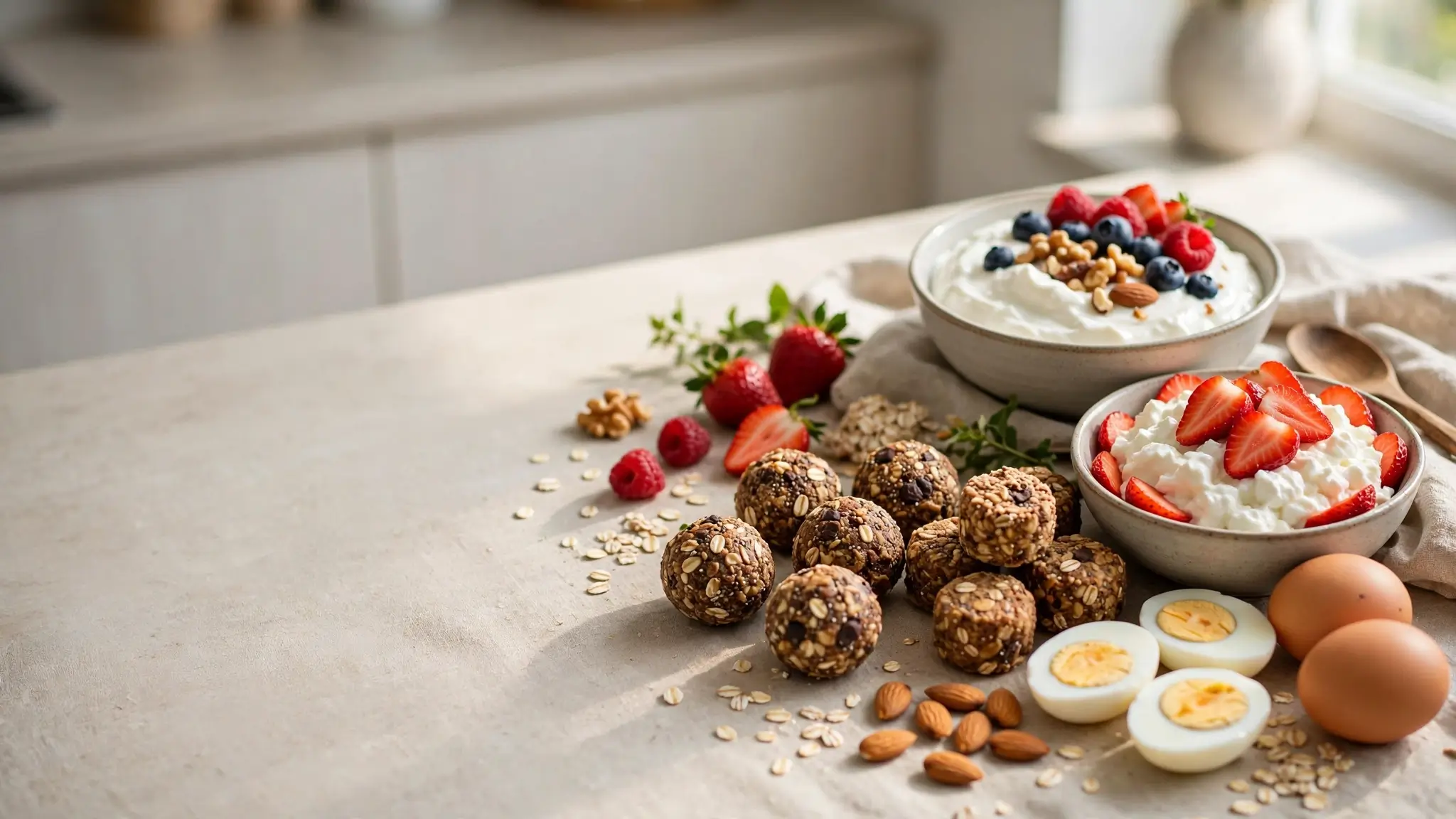
High-protein snacks are a simple way to add more protein to your day without spending hours in the kitchen. From creamy Greek yogurt and cottage cheese to no-bake bites and protein balls, there are plenty of options for different tastes and routines.
In this guide, I’ll cover some of my favorite high-protein snack categories, along with practical tips for choosing, preparing, and storing them. The goal is to make it easier to find snacks that fit naturally into your everyday life.
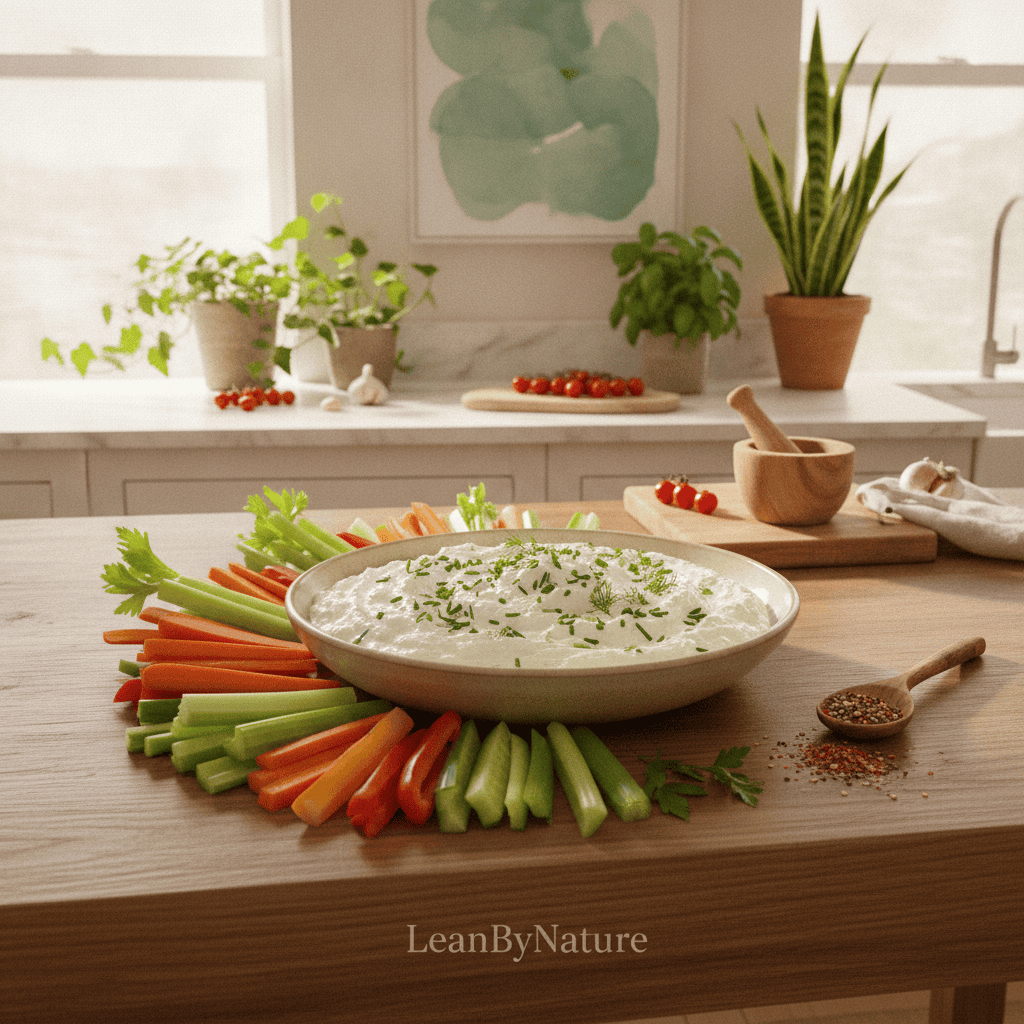
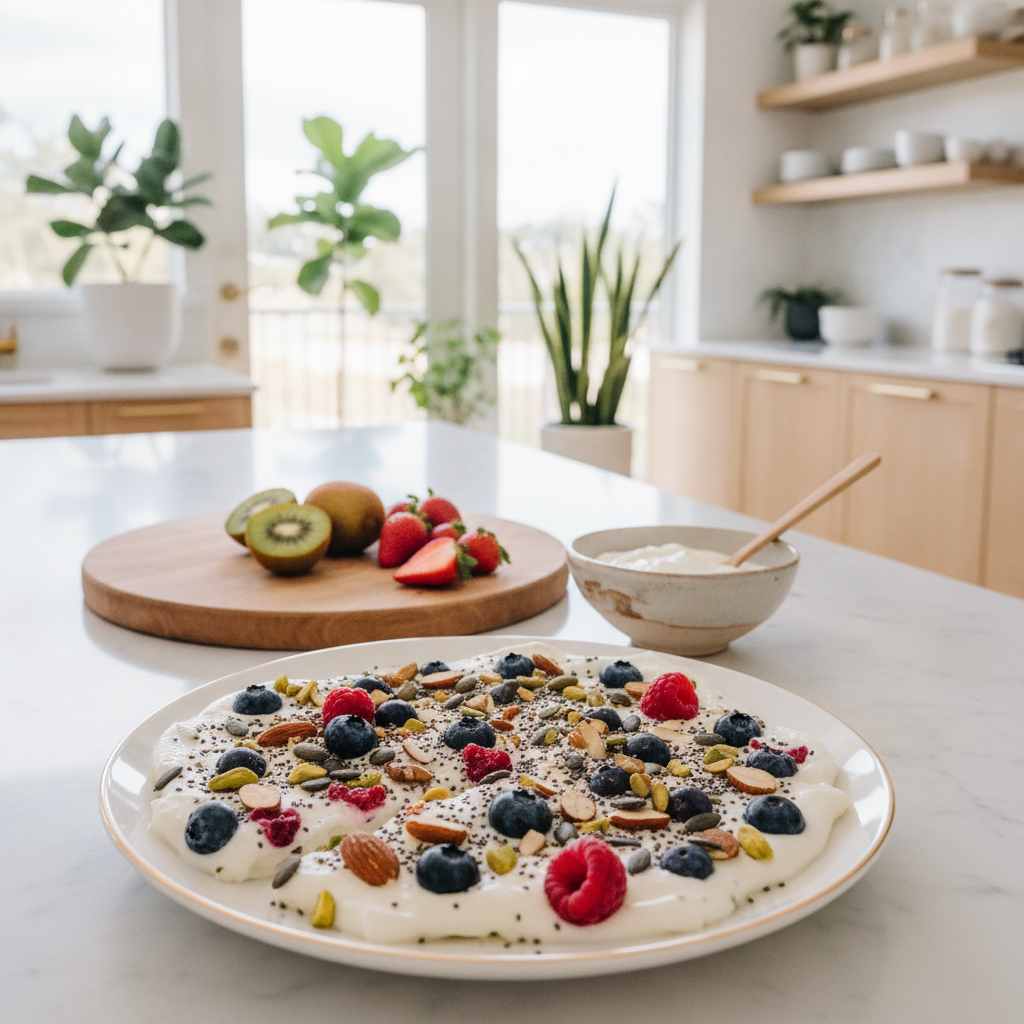
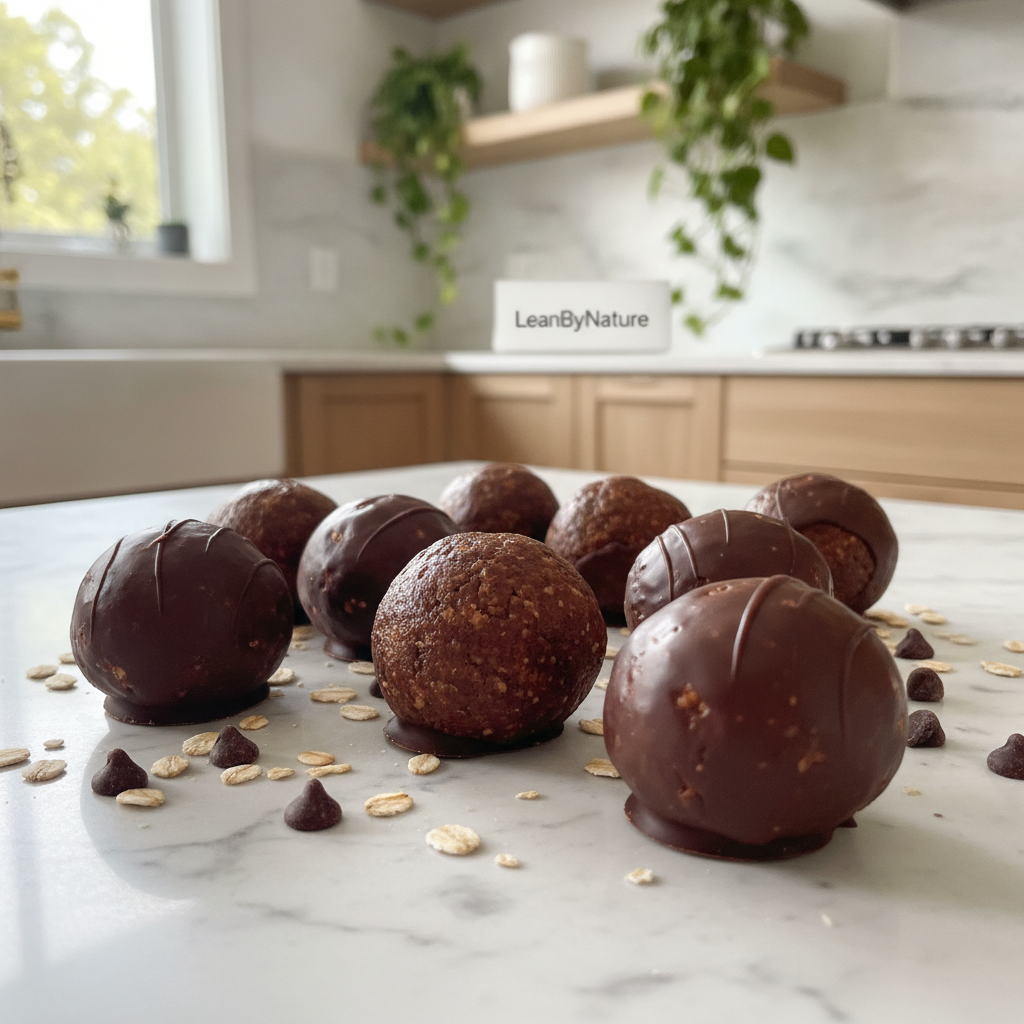
Table of Contents
What Are High-Protein Snacks?
High-protein snacks are small meals or snack foods that provide a meaningful amount of protein from ingredients such as Greek yogurt, cottage cheese, eggs, milk, cheese, nuts, seeds, beans, lean meats, tofu, or protein powder.
There isn’t one specific food that qualifies as a high-protein snack, and you don’t need to rely on protein powder to make one. A bowl of Greek yogurt with berries, cottage cheese with fruit, a couple of hard-boiled eggs, or a homemade protein ball can all be useful options depending on the ingredients and serving size.
One of the easiest ways to build a higher-protein snack is to start with a protein-rich ingredient and then add foods that provide the flavor and texture you want. For example, Greek yogurt can be paired with fruit and nuts for a sweet snack, while cottage cheese works well with tomatoes, cucumbers, or whole-grain crackers for something savory.
Homemade snacks also give you more control over the ingredients. You can adjust sweetness, change toppings, or swap one protein source for another. If you use protein powder, keep in mind that different products can behave differently. Whey, casein, whey-casein blends, and plant-based powders can change the thickness, moisture, sweetness, and texture of a recipe.
Why Choose High-Protein Snacks?
A high-protein snack can be useful when you want something more substantial between meals. Protein is one of several nutrients that can be part of a balanced eating pattern, and including a protein source in your snack gives you more options than simply reaching for whatever happens to be nearby.
For me, one of the biggest advantages is convenience. A snack does not have to involve cooking from scratch. Greek yogurt, cottage cheese, cheese, eggs, milk, nuts, and other protein-rich foods can be combined with a few simple ingredients and prepared ahead of time.
High-protein snacks can also make it easier to vary what you eat throughout the week. If you usually reach for the same snack every afternoon, try keeping a few different options available. You might prepare protein balls on Sunday, keep Greek yogurt and fruit in the refrigerator, and have a savory cottage cheese option ready for another day.
They can also work well around different parts of your routine. A quick breakfast snack can be different from something you pack for work, and a snack before or after exercise may look different from an evening snack.
The important thing is flexibility. You do not need a complicated meal plan or specialty ingredients to make a higher-protein snack. Start with foods you enjoy and build from there.
No-Bake Protein Snacks Recipes
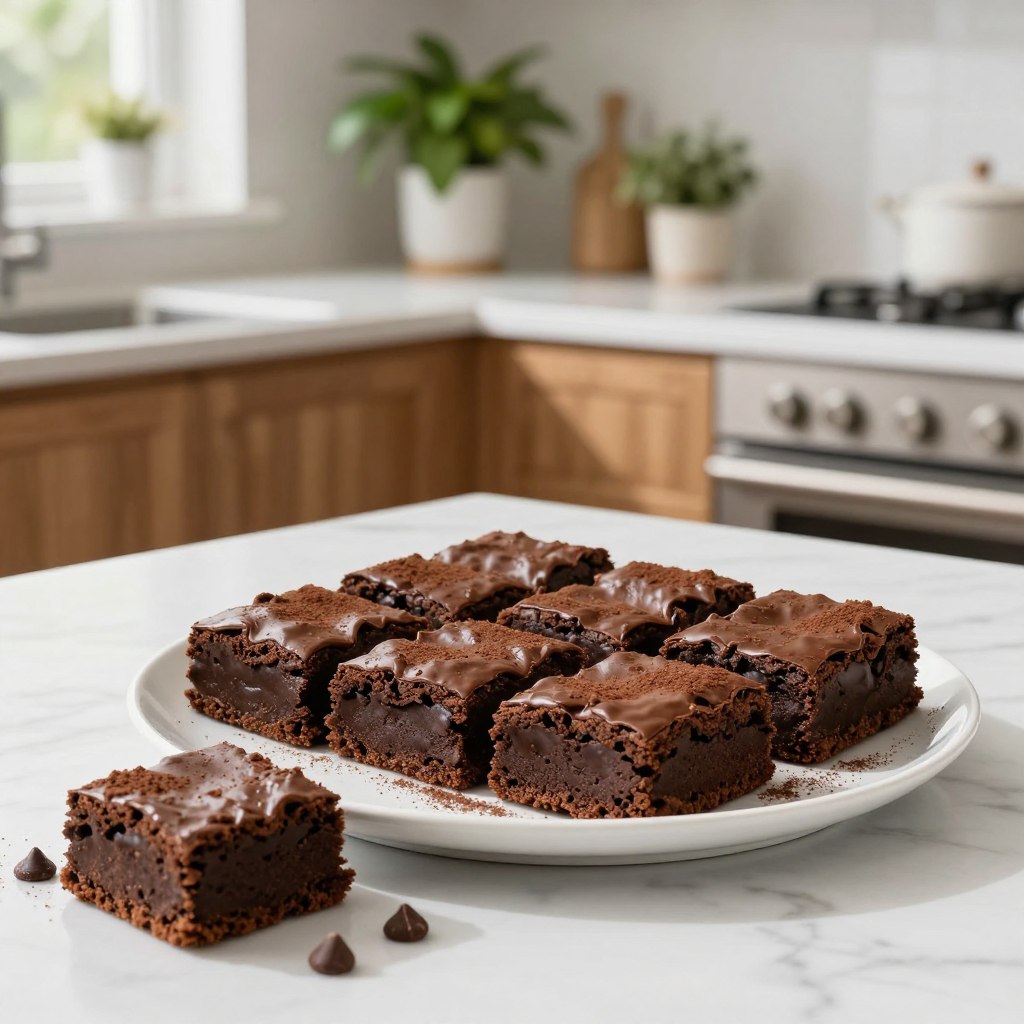
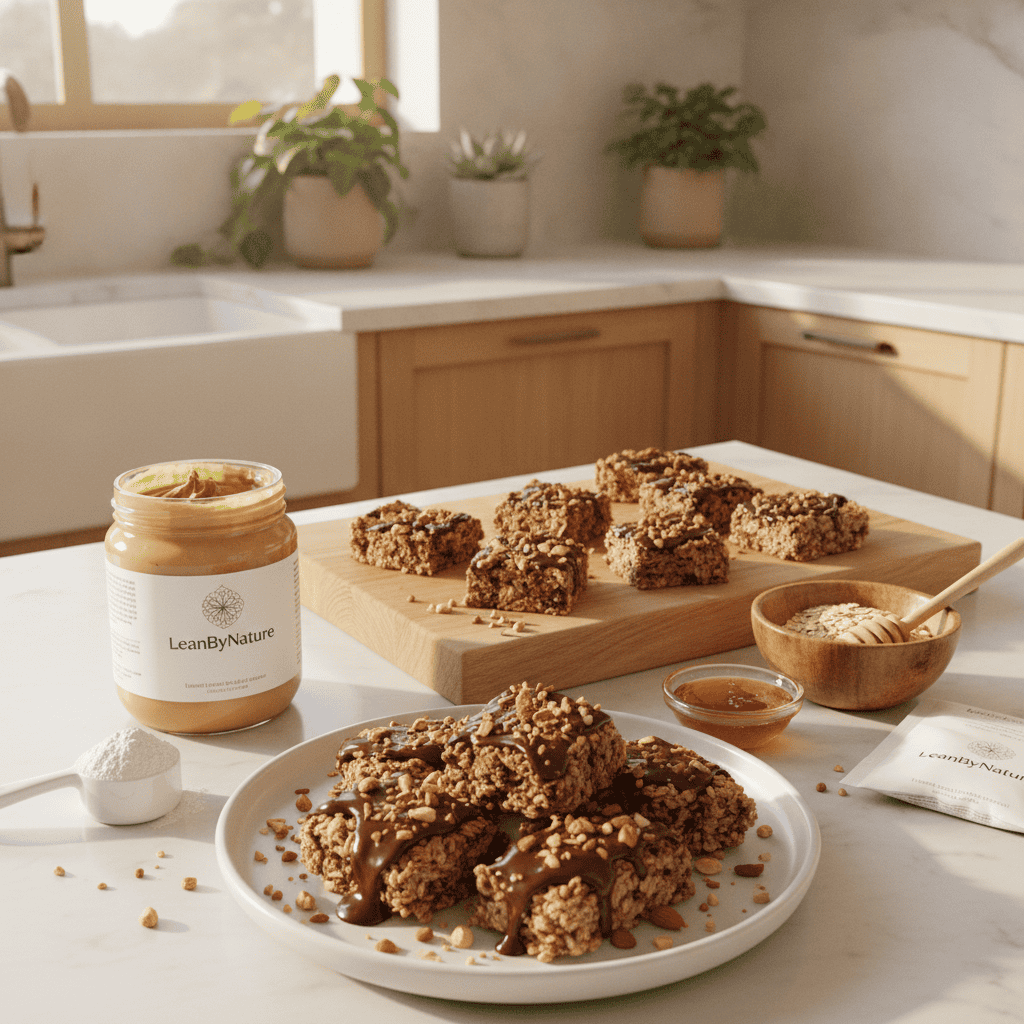
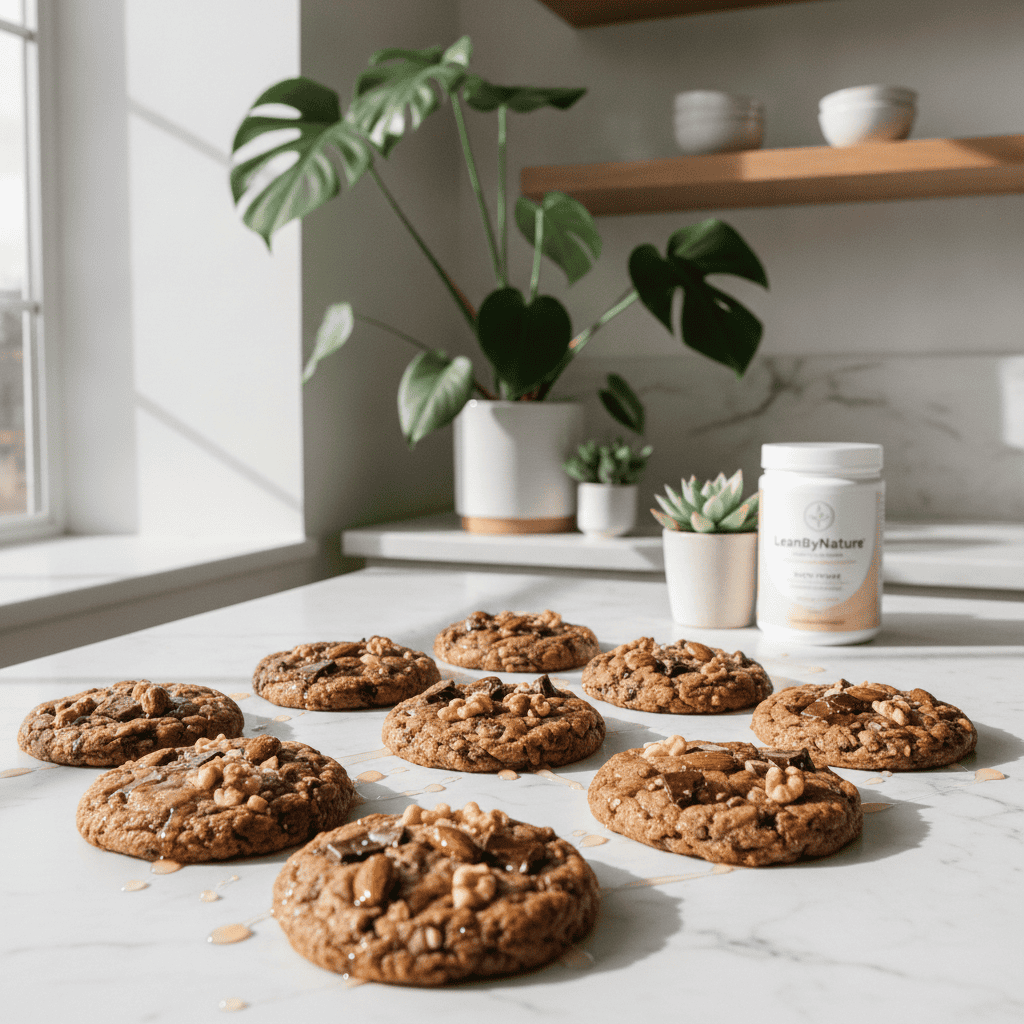
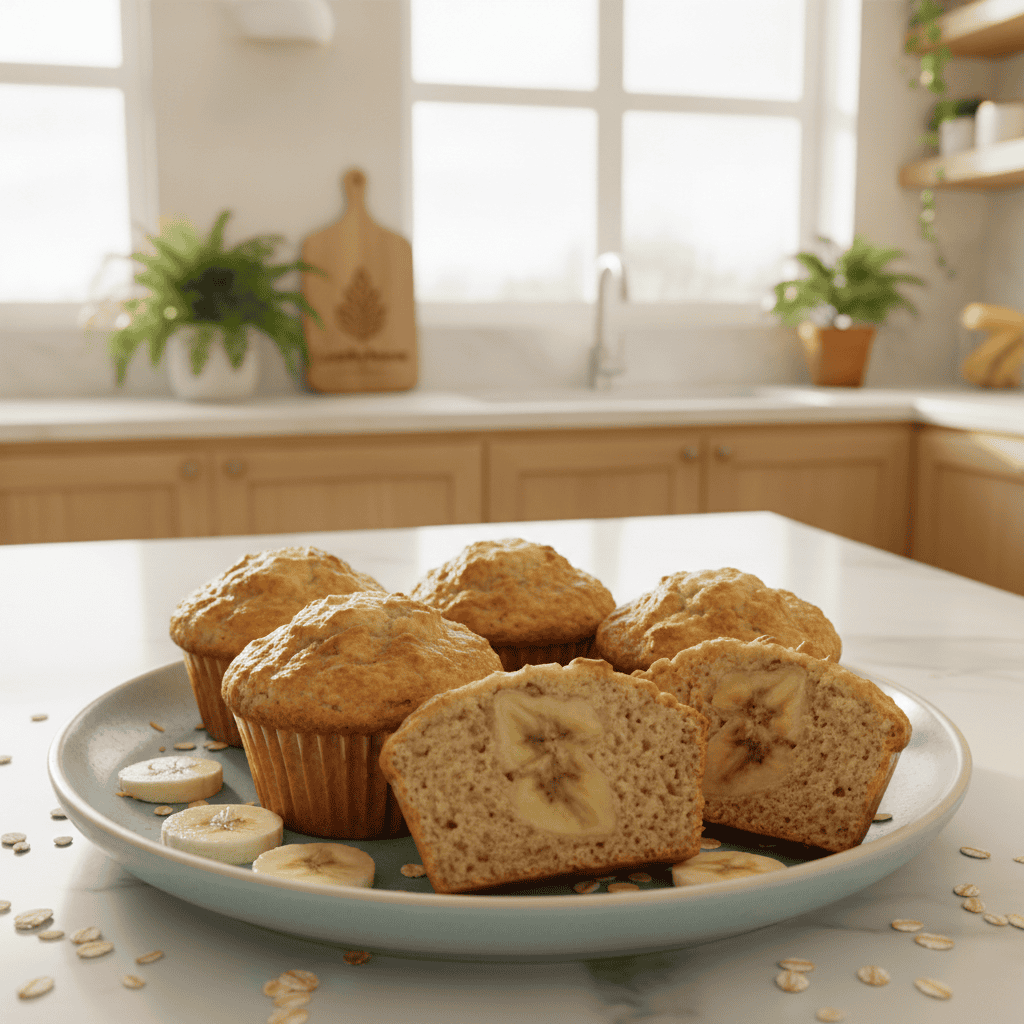
No-bake snacks are especially convenient when you want something you can mix, chill, portion, and store without turning on the oven. Common ingredients include Greek yogurt, oats, nut butter, seeds, milk, and protein powder.
They can range from soft and creamy snacks to firmer bars and bites. If a mixture feels too soft, chilling it usually helps; if it becomes too firm, a small amount of milk or another liquid may loosen the texture.
See the No-Bake Protein Snacks cluster page for more recipes and ideas.
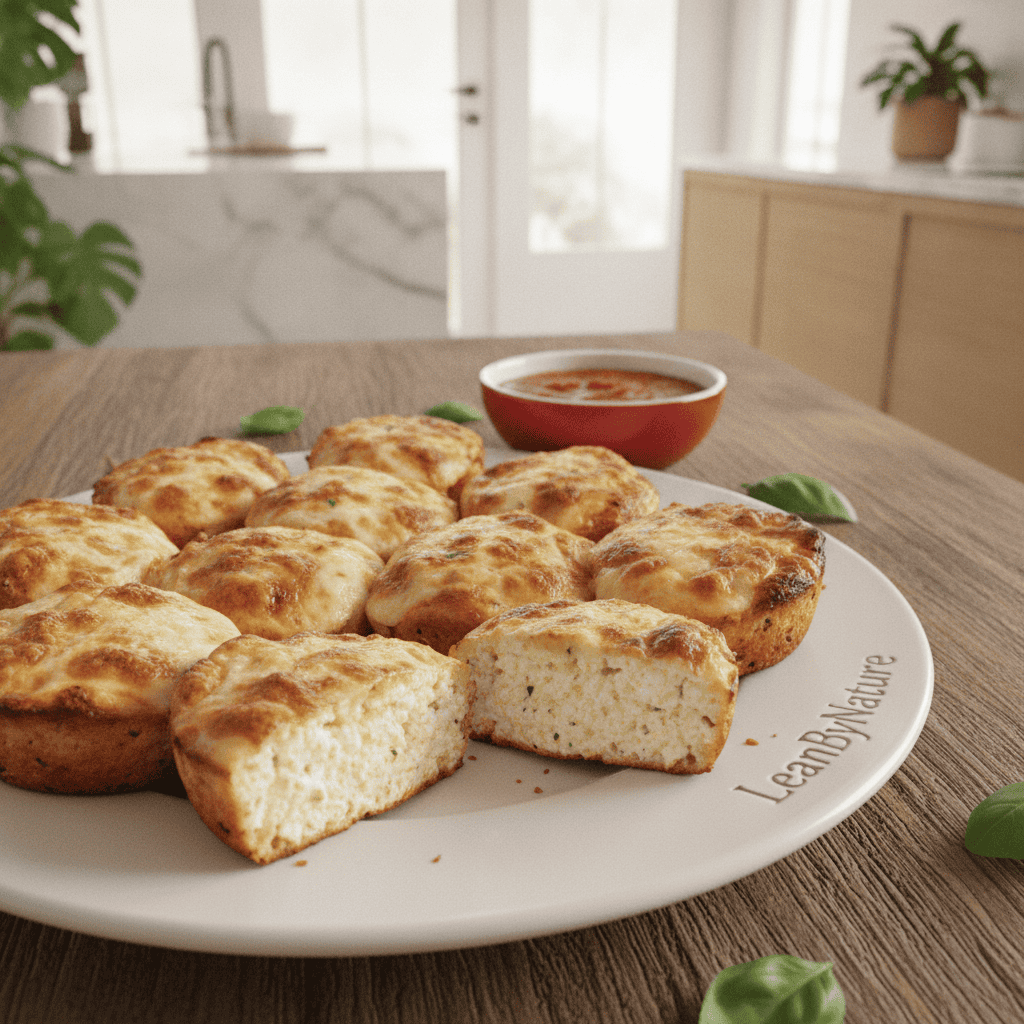
Cottage Cheese Snacks Recipes
Cottage cheese is one of my favorite ingredients when I want a protein-rich snack that can go either sweet or savory. It can be served as-is with fruit, blended into a smoother mixture, or paired with vegetables and crackers.
For a creamy texture, I often recommend blending cottage cheese until smooth. You can then add berries and cinnamon for a sweet option or herbs, tomatoes, and seasonings for a savory snack.
See the Cottage Cheese Snacks cluster page for more recipes and ideas.
Greek Yogurt Snacks Recipes
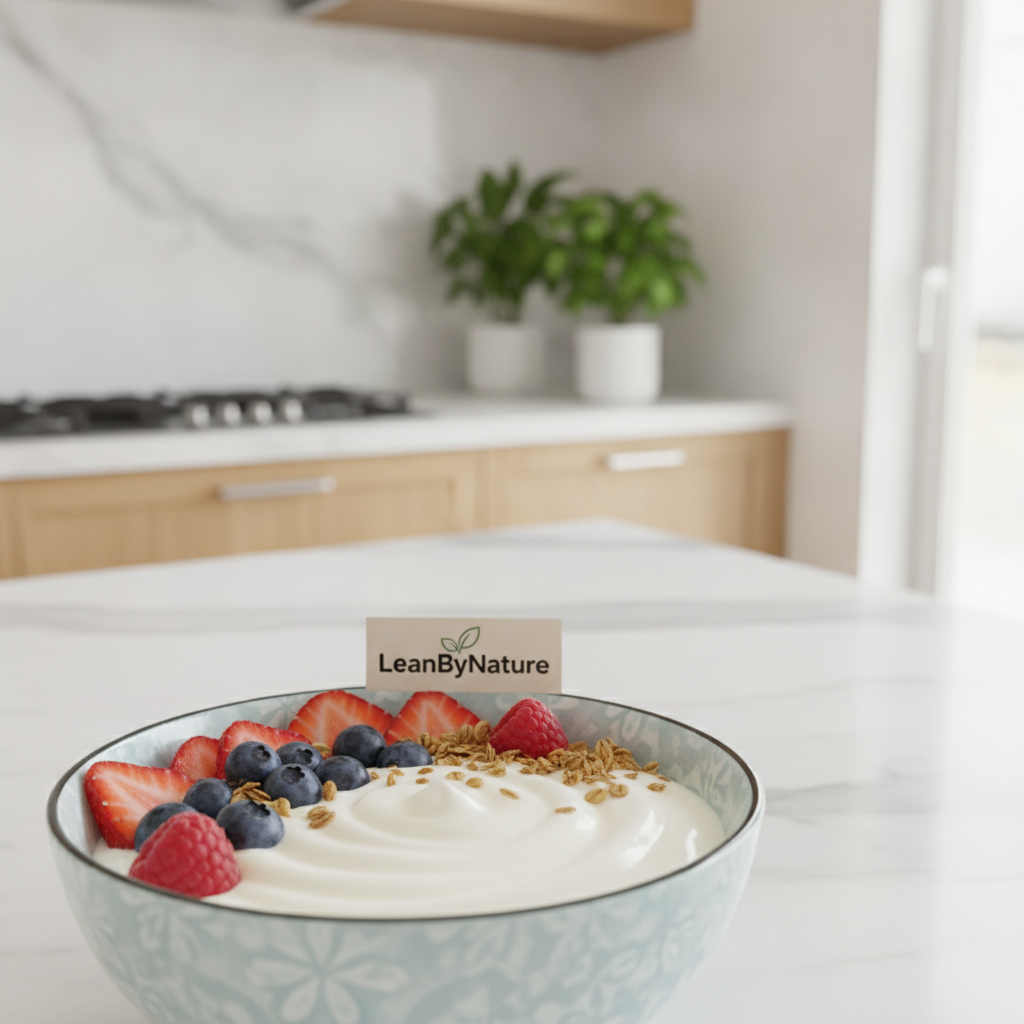
Greek yogurt is naturally creamy and works well as a base for both simple snacks and more involved recipes. Try it with berries, sliced banana, nuts, seeds, cinnamon, or a small amount of honey or maple syrup.
You can also use Greek yogurt in frozen snacks, yogurt bark, dips, and layered cups. Choose plain or flavored yogurt depending on your preference, and adjust the sweetness of homemade recipes accordingly.
See the Greek Yogurt Snacks cluster page for more recipes and ideas.
Protein Balls & Energy Bites Recipes
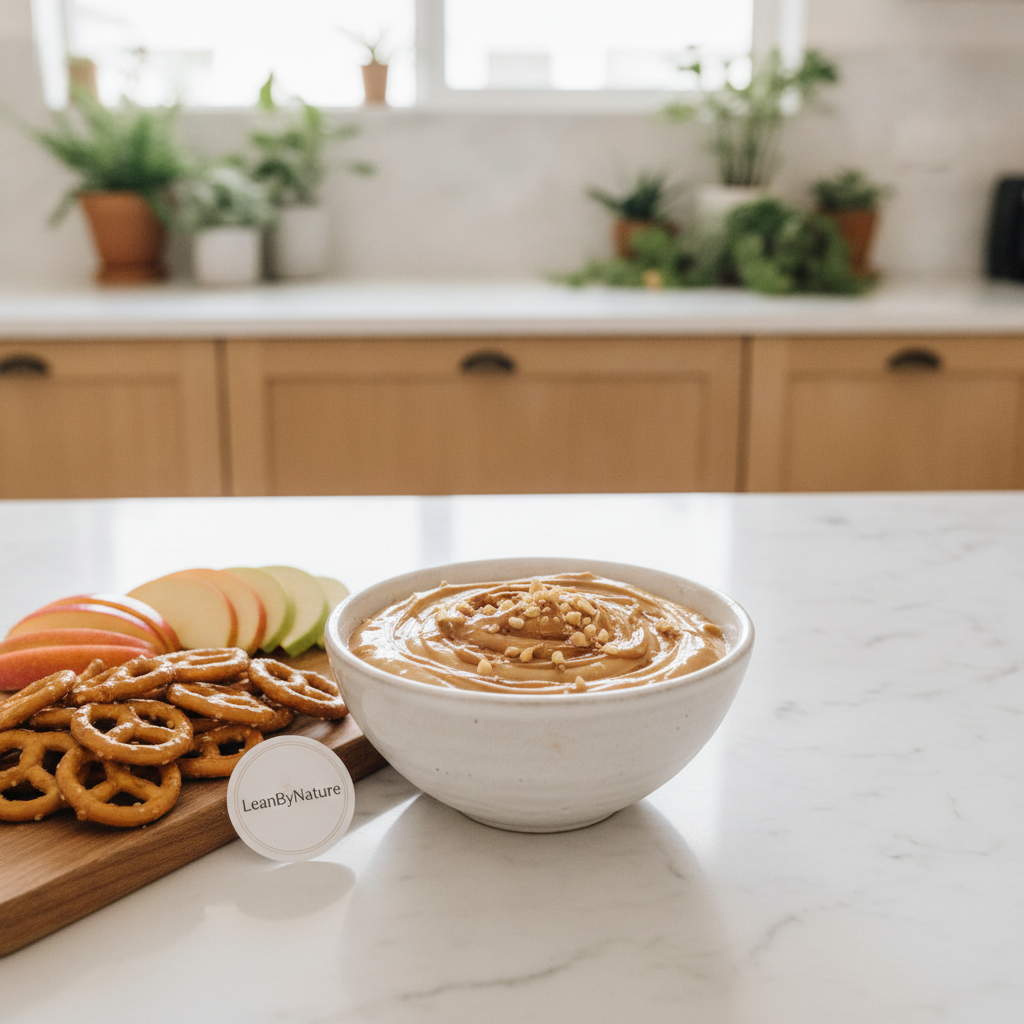
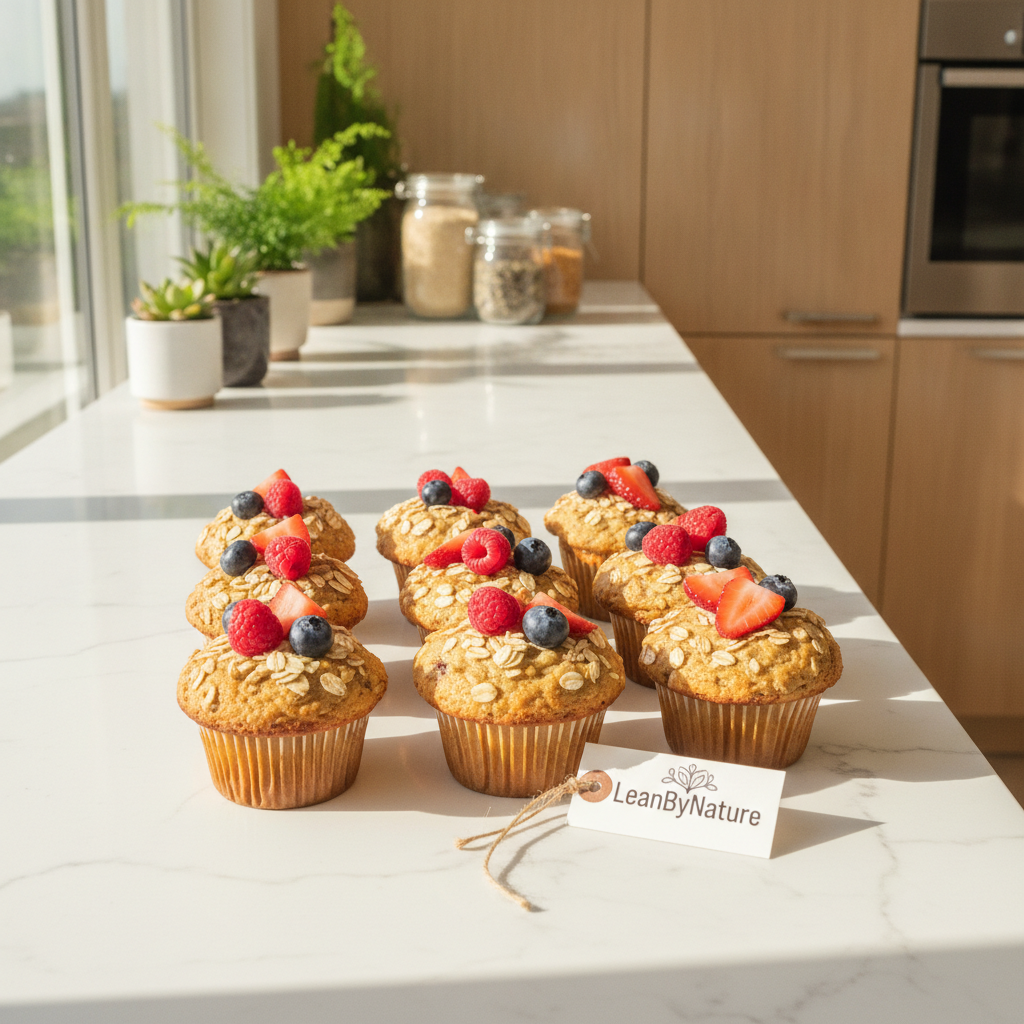
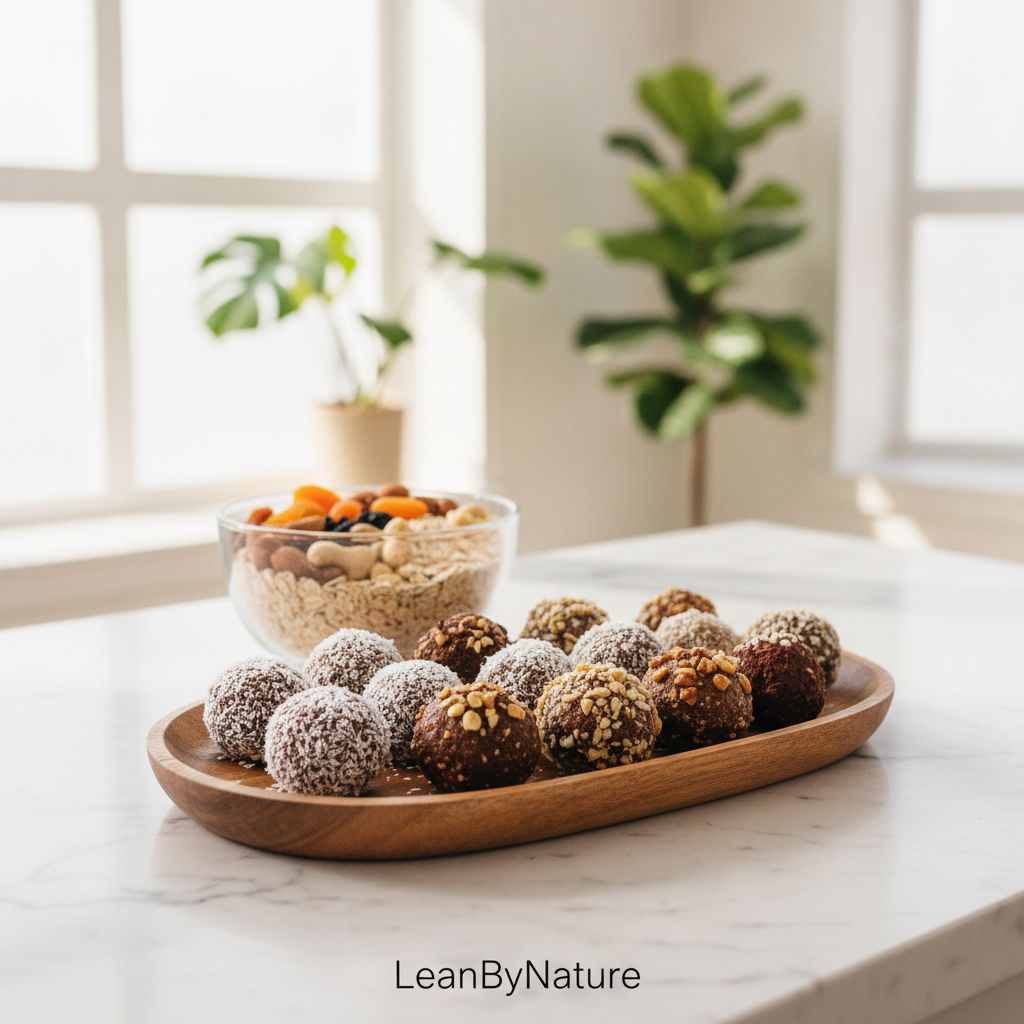
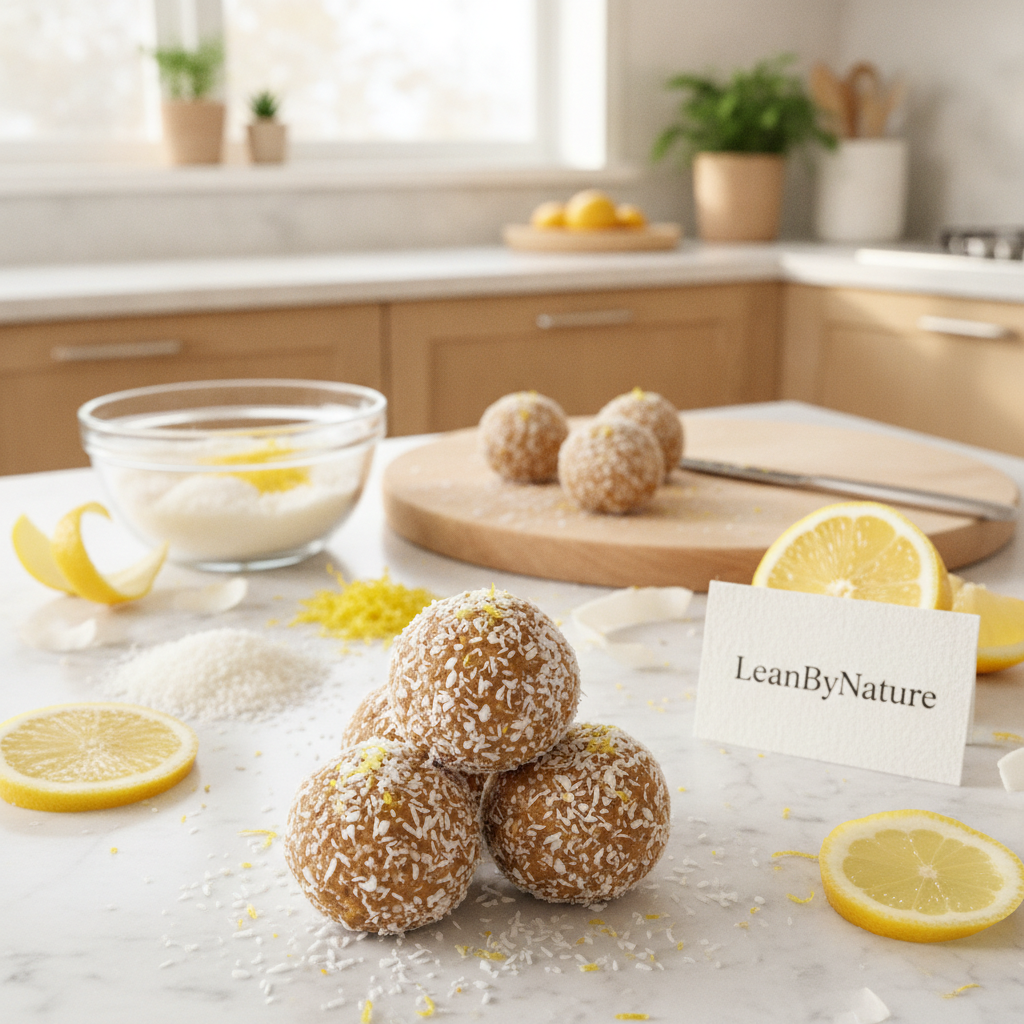
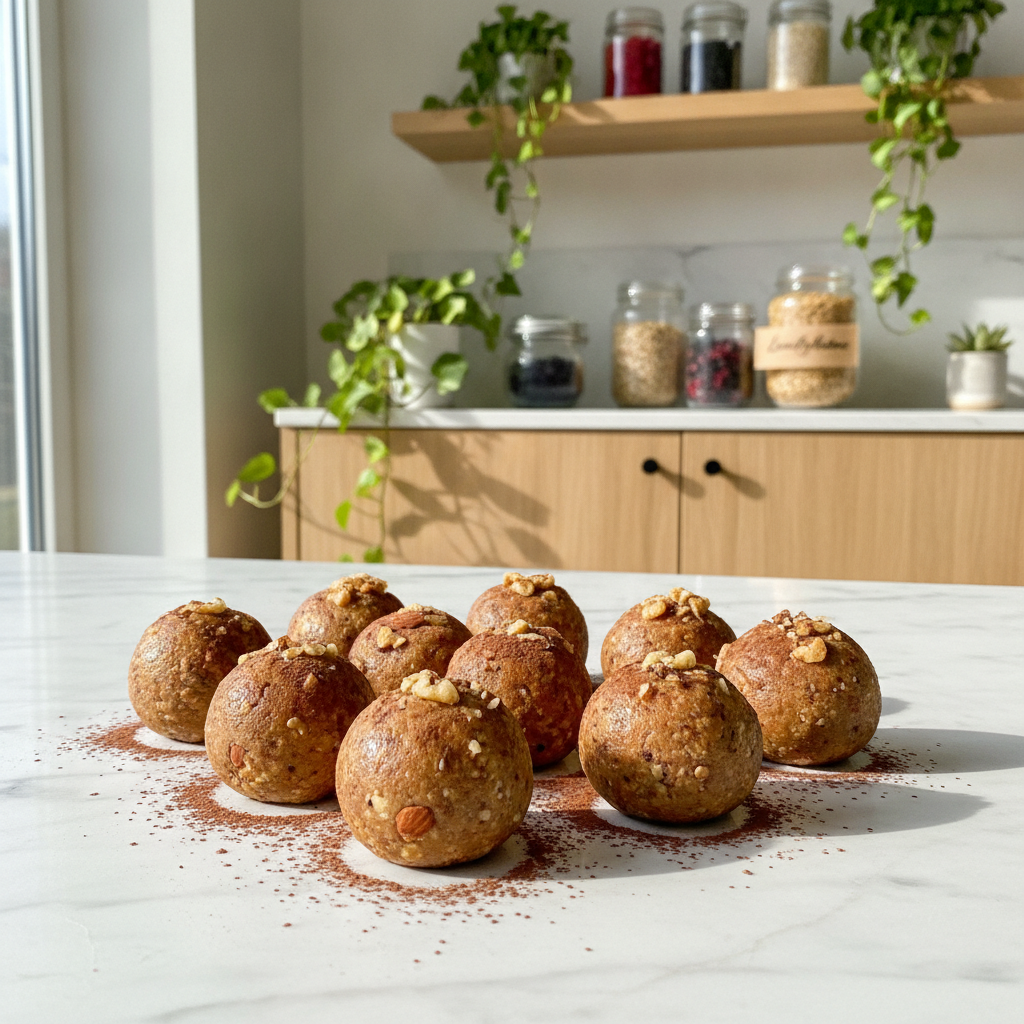
Protein balls and energy bites are useful when you want something portionable that can be prepared ahead. Oats, nut butter, seeds, dried fruit, and protein powder are common ingredients, although you can make plenty of versions without protein powder.
The mixture should be moist enough to hold together but not so wet that it becomes difficult to shape. Chilling the mixture before rolling can make sticky recipes easier to handle.
See the Protein Balls and Energy Bites cluster page for more recipes and ideas.
How to Choose a High-Protein Snack
The best high-protein snack is one that fits your routine, ingredients, appetite, and preferences. I usually start by asking a few simple questions: Do I need something I can eat immediately? Do I have access to a refrigerator? Do I want something sweet or savory? Am I preparing one serving or several?
For a grab-and-go option, look for foods that can be portioned ahead. Protein balls, hard-boiled eggs, cheese, Greek yogurt cups, and prepared cottage cheese combinations can all work well depending on your storage setup.
If you have a little more time, homemade snacks give you more flexibility. You can adjust sweetness, add different toppings, change the protein source, or make a larger batch for the week.
Texture matters, too. If you prefer creamy snacks, Greek yogurt and blended cottage cheese are good places to start. For something chewy, try protein balls or oat-based bites. If you prefer something crisp, pair a protein-rich food with crackers, toasted bread, or nuts.
It is also worth checking the ingredient list before making substitutions. A change that seems small can affect moisture and texture. For example, different protein powders absorb liquid differently, while swapping nut butter for a thinner ingredient may make a mixture harder to shape.
Finally, think about storage. A snack that requires refrigeration may not be practical for a long workday without access to a refrigerator. Choose foods that match the conditions in which you plan to eat them.
High-Protein Snacks for Different Needs
For Breakfast
A high-protein snack can work as a quick breakfast or as part of a larger breakfast. Greek yogurt with fruit and nuts, cottage cheese with berries, eggs with toast, or a homemade protein bite can all be adapted to your morning routine.
If you have very little time, prepare individual portions the night before so breakfast is ready when you are.
For Work
Work snacks need to be convenient and easy to store. Yogurt cups, cottage cheese, cheese, hard-boiled eggs, protein balls, and homemade snack bars are practical choices when refrigeration is available.
For an office snack drawer, shelf-stable options such as nuts and seeds can also be useful. Just keep portions in mind and choose combinations that suit your preferences.
Before Exercise
Before exercise, consider how much time you have and how you usually tolerate food. A lighter snack may be more comfortable if you are eating shortly before activity.
Greek yogurt with fruit, a small protein ball, or another familiar snack can work depending on your routine. There is no need to choose a complicated recipe simply because you plan to exercise afterward.
After Exercise
After exercise, a snack containing protein can be one way to add protein to your overall day. Greek yogurt, cottage cheese, eggs, milk, or a homemade protein snack can all be convenient choices.
If you are hungry, pair your protein source with another food you enjoy, such as fruit, oats, toast, or crackers.
For Weight Management
If you are trying to manage your weight, choose snacks based on your overall eating pattern rather than relying on a single ingredient or recipe. A high-protein snack can be part of a balanced routine, but portion size and the rest of your meals matter, too.
I prefer snacks that are satisfying and enjoyable rather than labeling certain foods as off-limits. Greek yogurt with fruit, cottage cheese with vegetables, or a homemade snack portion can all fit into different eating styles.
Tips for Making High-Protein Snacks
Making high-protein snacks at home is usually straightforward, but a few small details can make a big difference.
Start with the right texture. When making no-bake bites or bars, avoid adding all of the liquid at once. Start with a smaller amount and add more only if the mixture needs it. This is especially helpful when using protein powder because different brands absorb liquid differently.
Taste before you portion. If you are making a sweet snack, taste the mixture before rolling or chilling it when the recipe allows. You can adjust cinnamon, vanilla, maple syrup, honey, cocoa powder, or other flavorings before the final texture is set.
Use familiar ingredients. Greek yogurt, cottage cheese, oats, eggs, milk, nut butter, seeds, and cheese can form the foundation of many different snacks. You do not need a long list of specialty ingredients to make something useful.
Prepare portions ahead. If you know you tend to get hungry between meals, make several servings at once. Store them in individual containers so you can grab one when you need it instead of measuring ingredients each time.
Do not overdo the protein powder. More protein powder does not always make a better snack. Too much can create a dry, dense, chalky, or overly sweet texture. If a recipe is designed without it, there is often no reason to add it.
Chill when needed. Refrigeration can improve the texture of many no-bake snacks. Protein balls may firm up after chilling, while yogurt-based snacks can become thicker and easier to portion.
Keep food safety in mind. Refrigerate perishable snacks promptly and use clean containers. Prepared dairy, egg, meat, and other perishable foods should not be left at room temperature for extended periods.
Most importantly, make snacks you will actually want to eat. A simple recipe made with ingredients you already enjoy is often more useful than a complicated recipe that sits untouched in the refrigerator.
Frequently Asked Questions
What is a good high-protein snack?
A good option depends on your preferences and routine. Greek yogurt, cottage cheese, eggs, cheese, nuts, seeds, milk, and homemade protein balls are all flexible choices. You can pair a protein-rich food with fruit, vegetables, oats, crackers, or another ingredient you enjoy.
Do I need protein powder to make high-protein snacks?
No. Protein powder can be useful in some recipes, but it is not required. Greek yogurt, cottage cheese, eggs, dairy products, nuts, seeds, beans, and other protein-rich ingredients can all be used to make snacks with more protein.
What are good high-protein snacks for work?
Choose snacks that are easy to portion and store. Greek yogurt, cottage cheese, cheese, hard-boiled eggs, protein balls, and homemade snack bars can work well when you have access to refrigeration. Nuts and seeds are convenient shelf-stable options.
Can I make high-protein snacks ahead of time?
Yes. Many snacks are well suited to meal prep. Protein balls, energy bites, yogurt-based snacks, boiled eggs, and prepared cottage cheese combinations can be portioned ahead. Follow the storage instructions for each recipe and refrigerate perishable foods promptly.
Why does my protein snack taste dry or chalky?
Too much protein powder is a common reason, but the type of protein powder can also affect texture. Whey, casein, blended, and plant-based powders absorb liquid differently. Try following the recipe’s recommended amount and adjust moisture gradually rather than adding a large amount of extra liquid at once.
Are high-protein snacks only for people who exercise?
No. High-protein snacks can be useful for anyone who wants to include more protein in their everyday meals and snacks. You can choose snacks based on your schedule, preferences, hunger, and overall eating pattern rather than whether you exercise.
Conclusion
High-protein snacks do not have to be complicated or overly focused on fitness foods. With familiar ingredients such as Greek yogurt, cottage cheese, eggs, nuts, seeds, oats, milk, and nut butter, you can create plenty of options for different times of day.
I like keeping a few different types of snacks available so I can choose based on what sounds good and how much time I have. No-bake bites work well for meal prep, Greek yogurt is easy to customize, cottage cheese can go sweet or savory, and protein balls are convenient to portion ahead.
Start with one category that fits your routine, then experiment with flavors and ingredients you already enjoy. The goal is to make high-protein eating feel practical enough that you can keep doing it.