
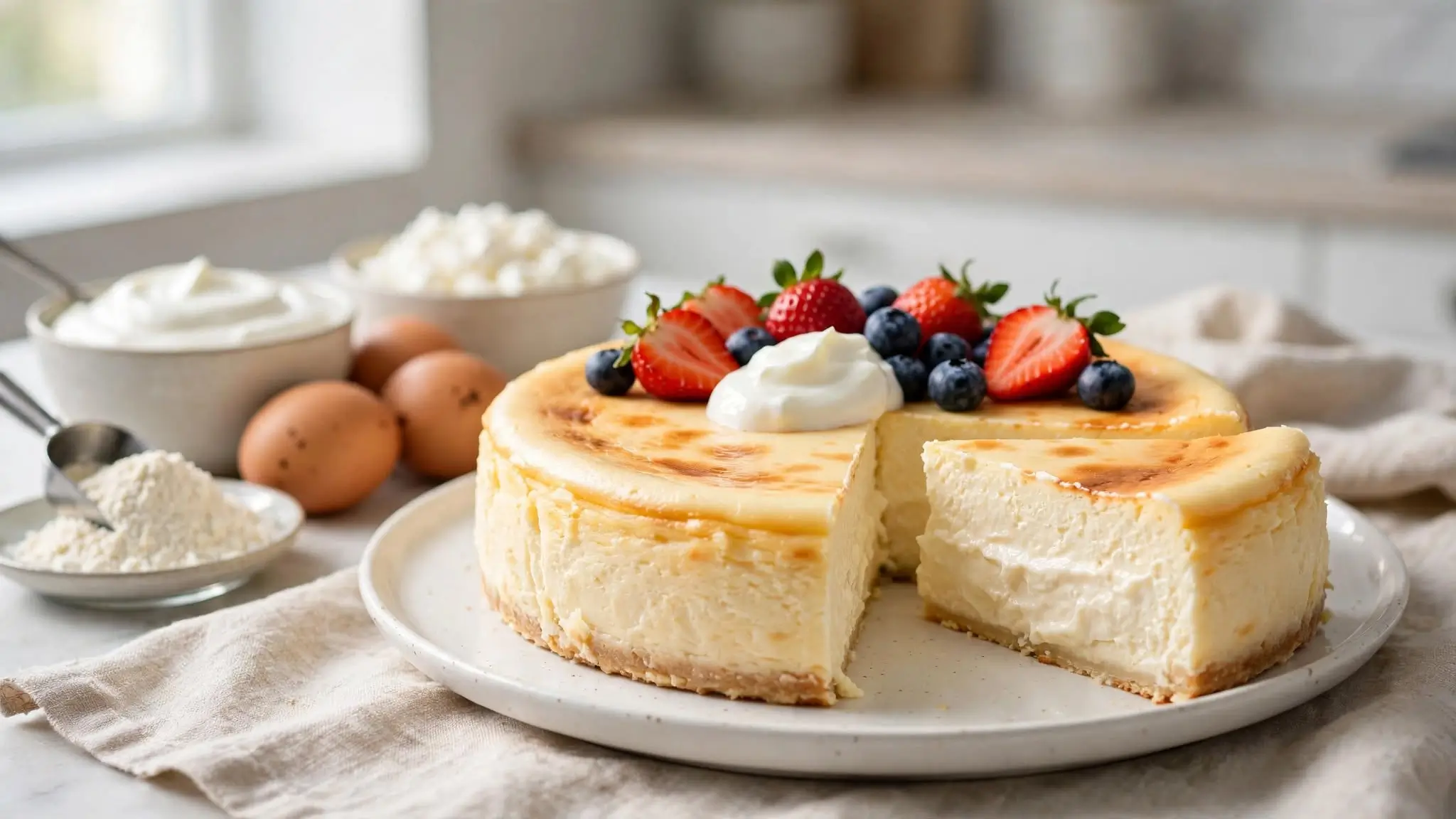
High Protein Cheesecake
If you want dessert that feels creamy and satisfying while also adding more protein to your day, high protein cheesecake is a great place to start. With ingredients such as Greek yogurt, cottage cheese, eggs, and protein powder, cheesecake can be adapted into several protein-focused options without making the preparation complicated.
I like this category because there is plenty of room to adjust the texture and sweetness to suit your preferences. You can make a baked cheesecake with a smooth, creamy center, prepare a lighter Greek yogurt version, or skip the oven altogether with small no-bake cheesecake bites.
In this guide, I’m sharing three high-protein cheesecake ideas along with practical tips for choosing a recipe, increasing the protein content, and getting the texture right. These recipes work well for an afternoon snack, dessert, or something you can portion ahead for the week.
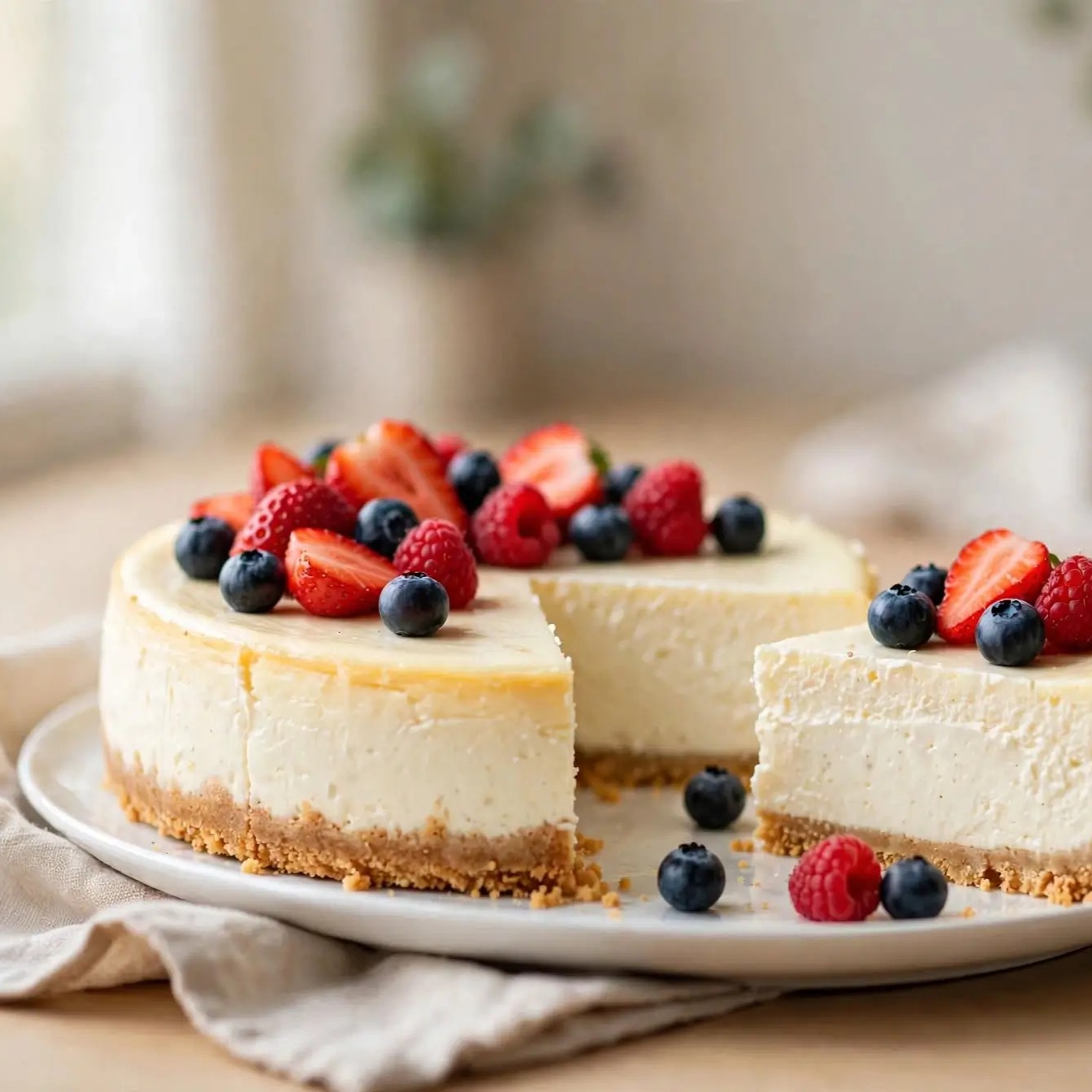
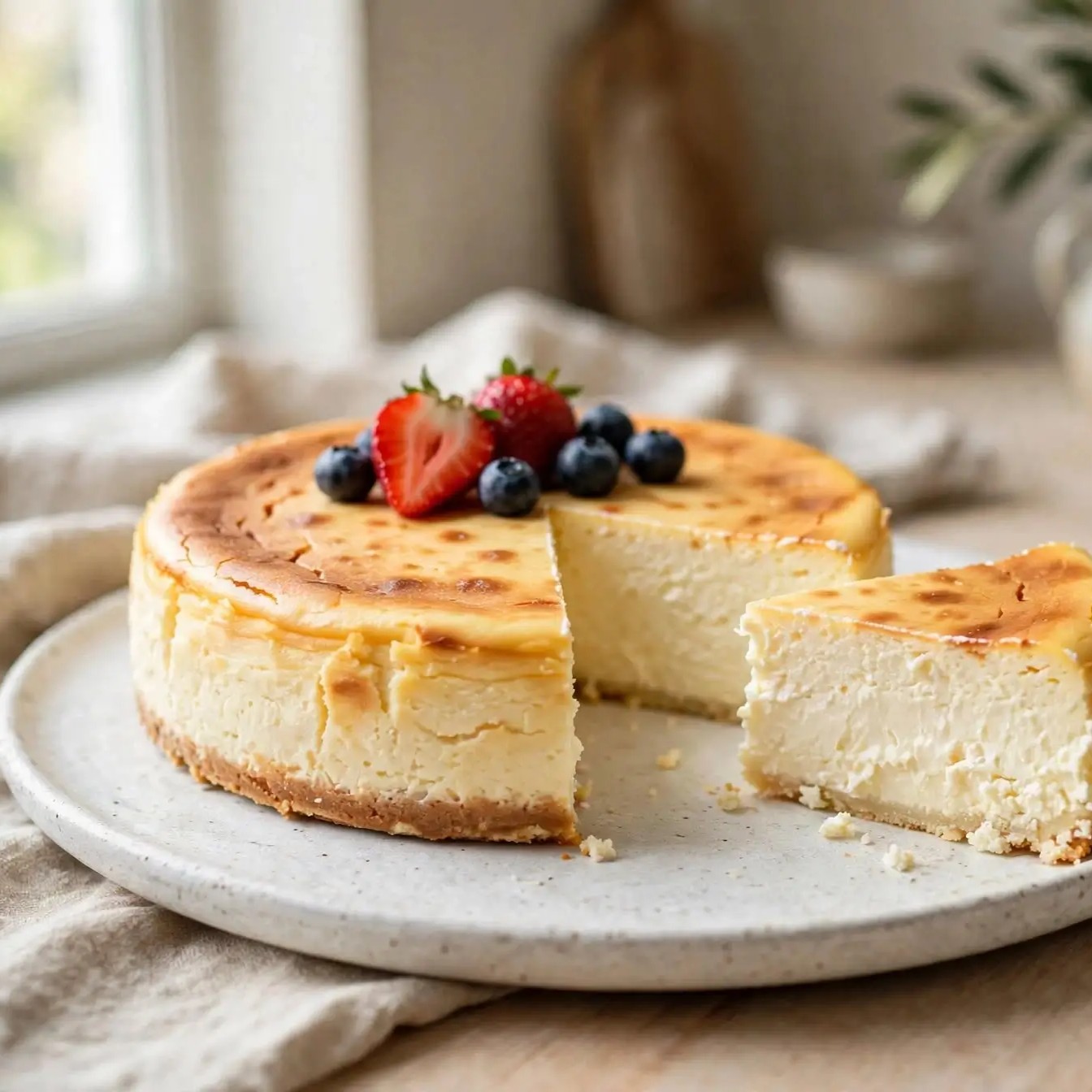

Table of Contents
What Are High Protein Cheesecake?
High protein cheesecake refers to cheesecake recipes that use ingredients with more protein than you would typically find in a traditional cheesecake. Instead of relying mainly on cream cheese, these recipes can include Greek yogurt, cottage cheese, eggs, milk, or protein powder to increase the protein contribution.
The exact texture depends on the ingredients and preparation method. Greek yogurt can give cheesecake a creamy but slightly lighter texture, while blended cottage cheese can create a smooth filling with a mild dairy flavor. Protein powder can also be useful, although different types can change the thickness and sweetness of the mixture.
Some high protein cheesecake recipes are baked, while others are chilled in the refrigerator. No-bake versions are especially convenient when you want something that can be prepared ahead without turning on the oven.
There is no single formula for a high protein cheesecake. The best option depends on whether you prefer a dense baked cheesecake, a softer yogurt-based dessert, or small bites that are easy to portion and store.
Our Best High Protein Cheesecake
There are several ways to make a protein-focused cheesecake, and each option has its own texture and preparation style. I like having a few versions to choose from because the right recipe can depend on how much time you have and what ingredients are already in the refrigerator.
Here are three options worth trying, from a creamy baked cheesecake to convenient no-bake bites.
Greek Yogurt Protein Cheesecake
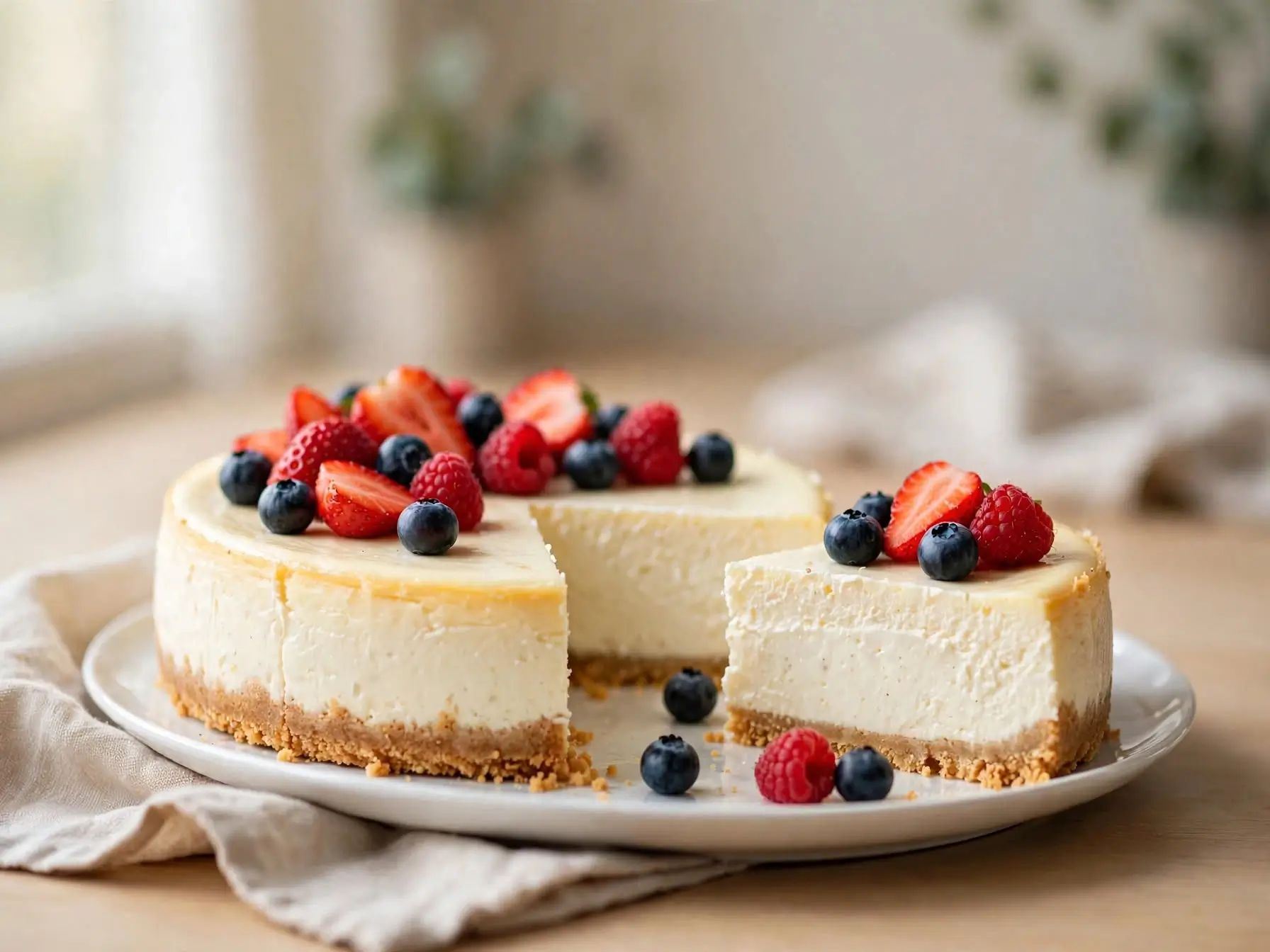
Greek yogurt is a useful ingredient when you want a creamy cheesecake with a slightly lighter texture. It pairs naturally with cream cheese and can also work alongside eggs and a small amount of protein powder.
For the smoothest filling, use plain Greek yogurt and bring refrigerated ingredients closer to room temperature before mixing. You can flavor the cheesecake with vanilla, lemon zest, berries, or a small amount of maple syrup depending on how sweet you want it.
This version works particularly well as a make-ahead dessert. After baking, allow the cheesecake to cool before refrigerating so the filling has enough time to firm up.
High-Protein Cottage Cheese Cheesecake
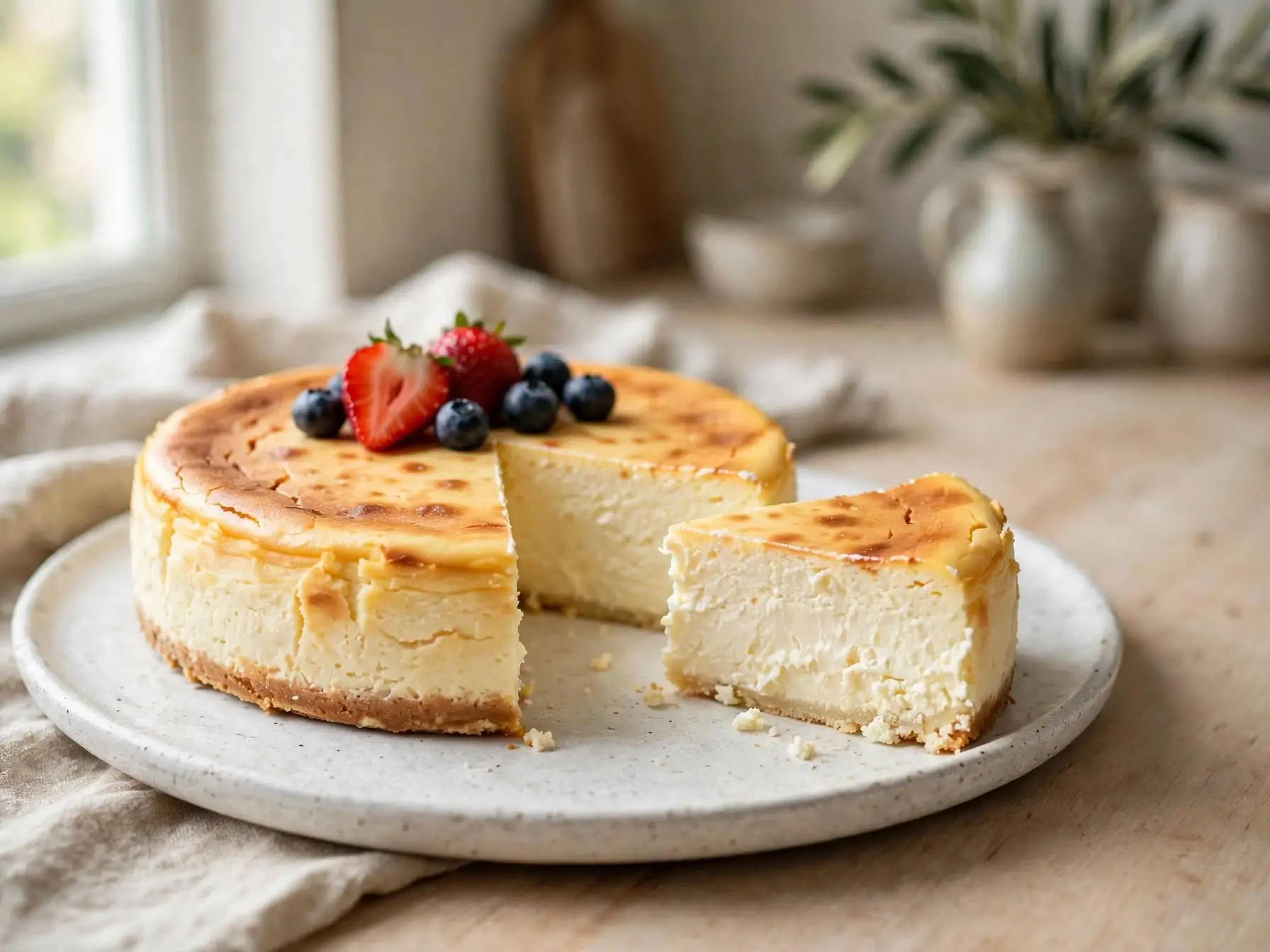
Blended cottage cheese is one of my favorite ingredients for creating a smooth cheesecake filling. Its mild flavor works well with vanilla, cinnamon, berries, or chocolate, and blending removes most of the curds from the finished mixture.
For the best texture, blend the cottage cheese until completely smooth before adding the remaining ingredients. A high-powered blender or food processor can make a noticeable difference here.
This cheesecake can be baked until the center is set but still has a slight jiggle. Letting it cool and chill completely is important because the texture continues to firm as it cools.
No-Bake Protein Cheesecake Bites
No-bake cheesecake bites are a practical option when you want smaller portions and minimal preparation. A mixture of Greek yogurt or blended cottage cheese, softened cream cheese, protein powder, and a little sweetener can create a thick filling that works well in bite-sized portions.
Depending on the recipe, the mixture can be spooned into silicone molds or rolled into small portions and chilled until firm. Crushed nuts, berries, cocoa powder, or a light sprinkle of shredded coconut can be used for flavor and texture.
Keep these bites refrigerated, since the filling contains dairy ingredients. They are particularly convenient for preparing several portions at once.
How to Choose a High Protein Cheesecake
Start by thinking about the texture you want. If you enjoy a traditional cheesecake texture, a baked recipe with eggs and a combination of cream cheese, Greek yogurt, or cottage cheese may be the best fit. For something softer and lighter, a yogurt-based cheesecake can work well.
Your available ingredients matter, too. Greek yogurt and cottage cheese are both versatile choices, but they behave differently. Cottage cheese should generally be blended before using it in cheesecake if you want a smooth filling.
Consider how much preparation time you have. A baked cheesecake requires time in the oven and additional cooling and chilling time. No-bake cheesecake bites are faster to assemble, although they still need enough refrigerator time to firm up.
Protein powder is another consideration. Whey, casein, whey-casein blends, and plant-based powders can absorb liquid differently, so you may need to adjust the consistency. If you are new to protein powder in desserts, start with a recipe that already accounts for it rather than adding a large amount to a traditional cheesecake recipe.
Finally, think about how you plan to serve it. A full cheesecake is useful when serving several people, while individual bites are convenient for portioning and meal prep.
Easy Ways to Add More High Protein Cheesecake
If you already have a favorite cheesecake recipe, you can make a few practical ingredient changes to increase its protein contribution without completely changing the dessert.
Greek yogurt is one of the simplest additions. Replace part of the richer dairy component with plain Greek yogurt, keeping an eye on the moisture level so the filling does not become too loose.
Blended cottage cheese is another option. It has a mild flavor and can make a cheesecake filling creamy once fully blended. If you are concerned about the cottage cheese flavor, vanilla, lemon zest, cinnamon, cocoa powder, or berries can help shape the final taste.
Protein powder can also be incorporated into some cheesecake recipes. Start with a moderate amount because adding too much can make the filling thick, dry, or overly sweet. You may need a little extra yogurt or milk to balance the consistency.
Eggs contribute protein and also help baked cheesecakes set. Milk can be another useful ingredient depending on the recipe.
You can also focus on the topping. Instead of using only a sugary sauce, try Greek yogurt mixed with berries, sliced strawberries, chopped nuts, or a small amount of nut butter. These additions change the flavor and texture while giving you more flexibility with the finished dessert.
Tips for Preparing High Protein Cheesecake
The texture of a high protein cheesecake depends heavily on how the ingredients are prepared. For cottage cheese recipes, blend the cottage cheese thoroughly before combining it with the other ingredients. Even a few remaining curds can affect the finished texture.
Avoid adding too much protein powder. Protein powder absorbs moisture, and different brands behave differently. Whey may produce a different consistency from casein or a plant-based powder, so follow the recipe’s recommended amount rather than adding extra simply to increase the protein content.
For baked cheesecake, avoid overbaking. The center should generally look set around the edges while retaining a slight jiggle in the middle. The cheesecake will continue to firm as it cools.
Cooling is just as important as baking. Let the cheesecake cool gradually before transferring it to the refrigerator. Chilling gives the filling time to firm and makes slicing easier.
If your mixture looks too thick before baking or chilling, don’t immediately add a large amount of liquid. Start with a small amount of Greek yogurt or milk and mix again. If the filling is too loose, a little additional thickening ingredient may be needed depending on the recipe.
Finally, don’t rush the chilling stage. A cheesecake that seems soft immediately after preparation may have a much better texture after several hours in the refrigerator.
Frequently Asked Questions
Is cheesecake a good source of protein?
Traditional cheesecake is not usually considered a high-protein food. A high protein cheesecake uses ingredients such as Greek yogurt, cottage cheese, eggs, milk, or protein powder to increase the protein contribution.
Can I use cottage cheese instead of cream cheese in cheesecake?
Yes. Blended cottage cheese can work well in cheesecake, particularly when combined with other creamy ingredients. Blend it thoroughly for a smoother texture. The flavor and consistency will be somewhat different from a traditional cream cheese cheesecake.
What type of protein powder works best in cheesecake?
There is no single best option. Whey, casein, whey-casein blends, and plant-based powders can all behave differently. Some absorb more liquid than others, so the amount of yogurt or milk needed may vary.
Why is my protein cheesecake dry?
Too much protein powder or overbaking can result in a dry cheesecake. Measure the protein powder carefully and avoid baking longer than necessary. Allowing the cheesecake to chill properly can also improve the final texture.
How long does high protein cheesecake last in the refrigerator?
Because these cheesecakes generally contain dairy ingredients, keep them refrigerated. For the best quality, use a clean, airtight container and follow the storage instructions for the specific recipe. If a cheesecake has been left at room temperature for an extended period, it is safer not to keep it.
Conclusion
High protein cheesecake can take several forms, from a creamy Greek yogurt cheesecake to a smooth cottage cheese version or convenient no-bake bites. The key is choosing ingredients that add protein while still giving the dessert the texture you enjoy. I like starting with familiar ingredients and adjusting sweetness, toppings, and flavors rather than making the recipe overly complicated. Whether you want a full cheesecake for sharing or small portions for the refrigerator, there is plenty of room to make this dessert fit your routine.