
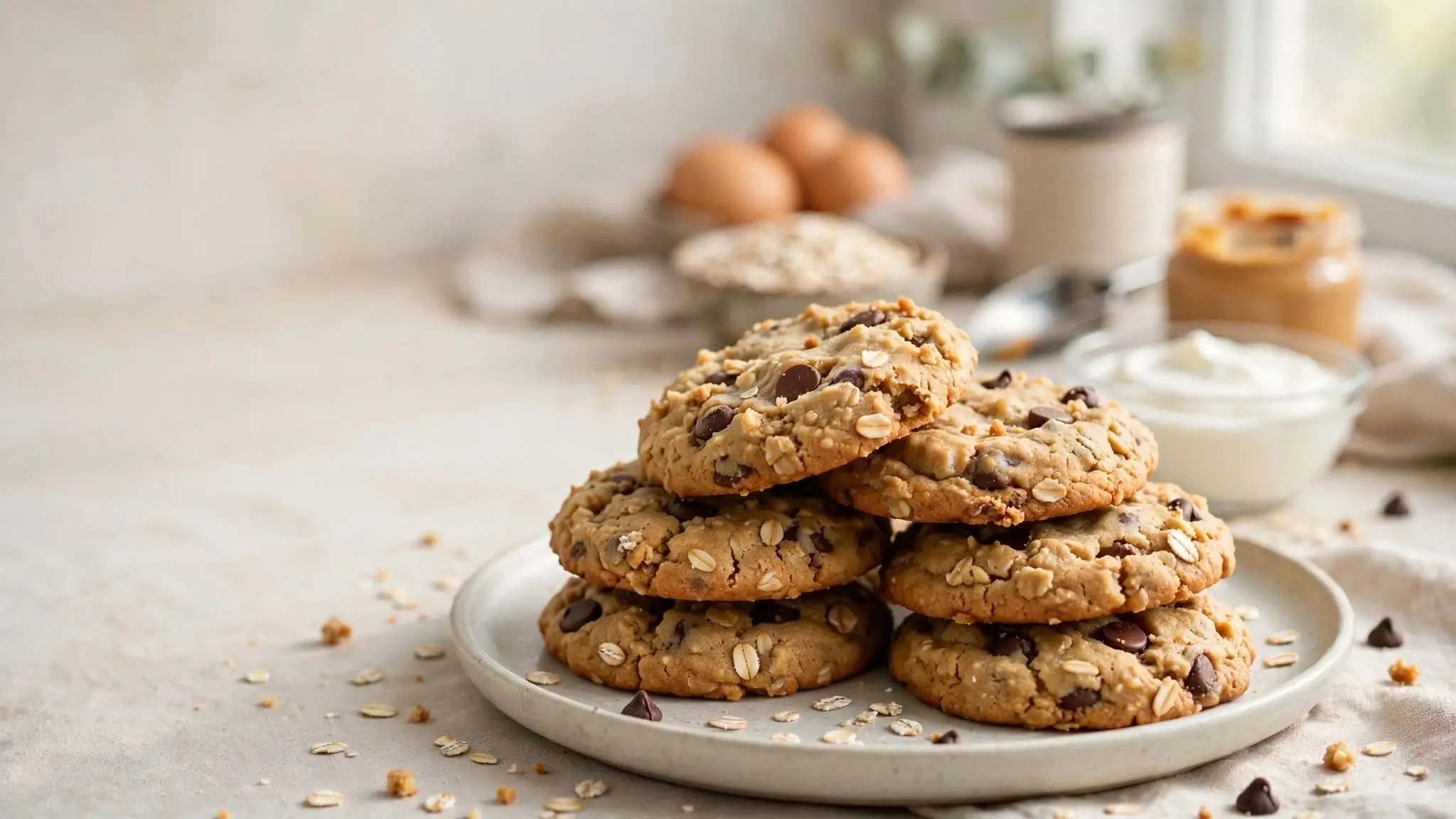
High Protein Cookies
If you want a sweet snack that also helps you add more protein to your day, high protein cookies are a practical place to start. With ingredients such as Greek yogurt, nut butter, oats, eggs, and protein powder, you can make cookies that are soft, chewy, and satisfying without relying on a complicated recipe.
I like high protein cookies because they can work in several different ways. They make a convenient afternoon snack, an easy addition to a lunchbox, or a simple make-ahead treat when you want something sweet on hand. You can also adjust the ingredients based on the texture and flavor you prefer.
In this guide, I’m sharing a few high protein cookie ideas along with tips for choosing ingredients, adding more protein, and getting a better texture. Whether you prefer peanut butter, chocolate chips, or a softer cookie, there are plenty of ways to make this type of treat fit your routine.
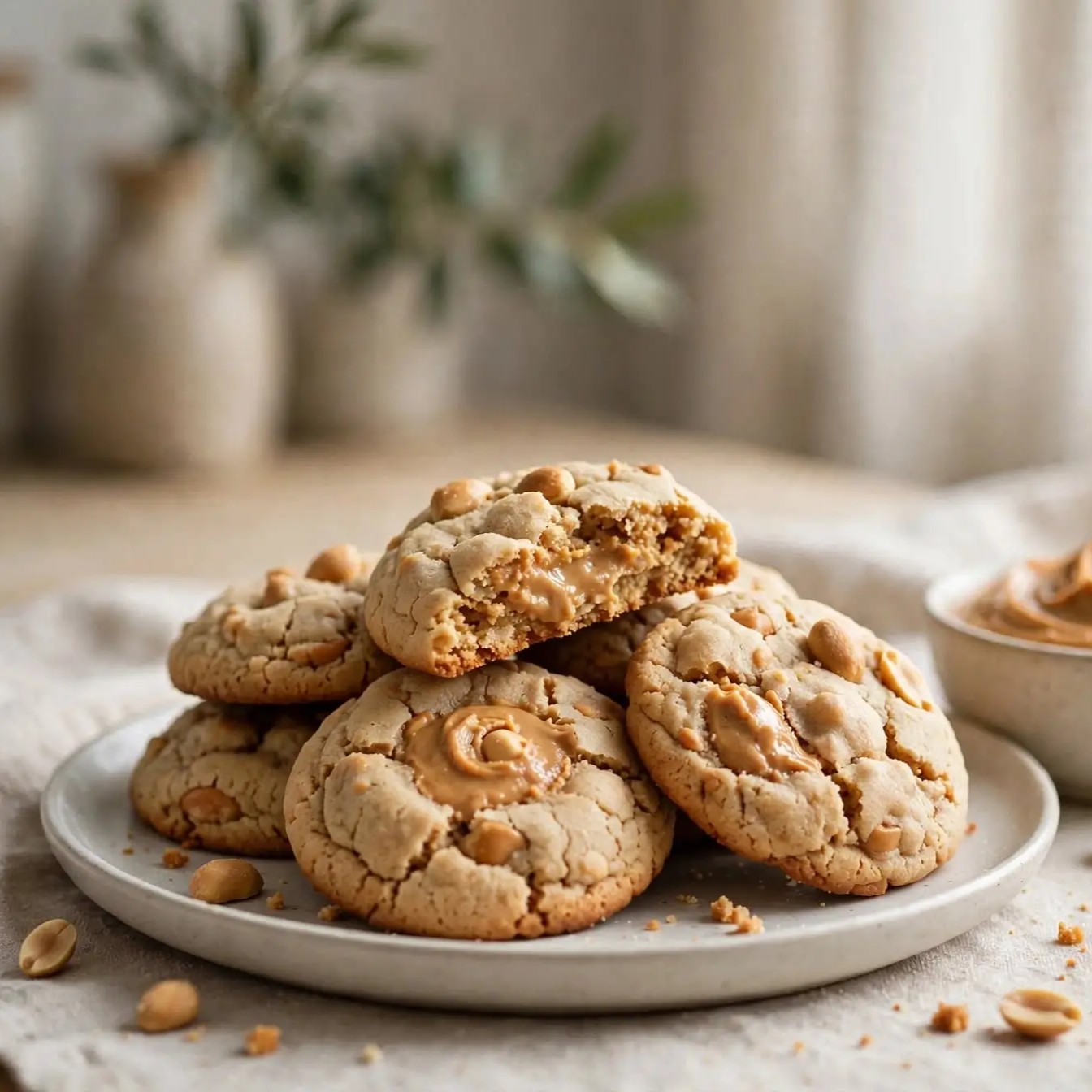
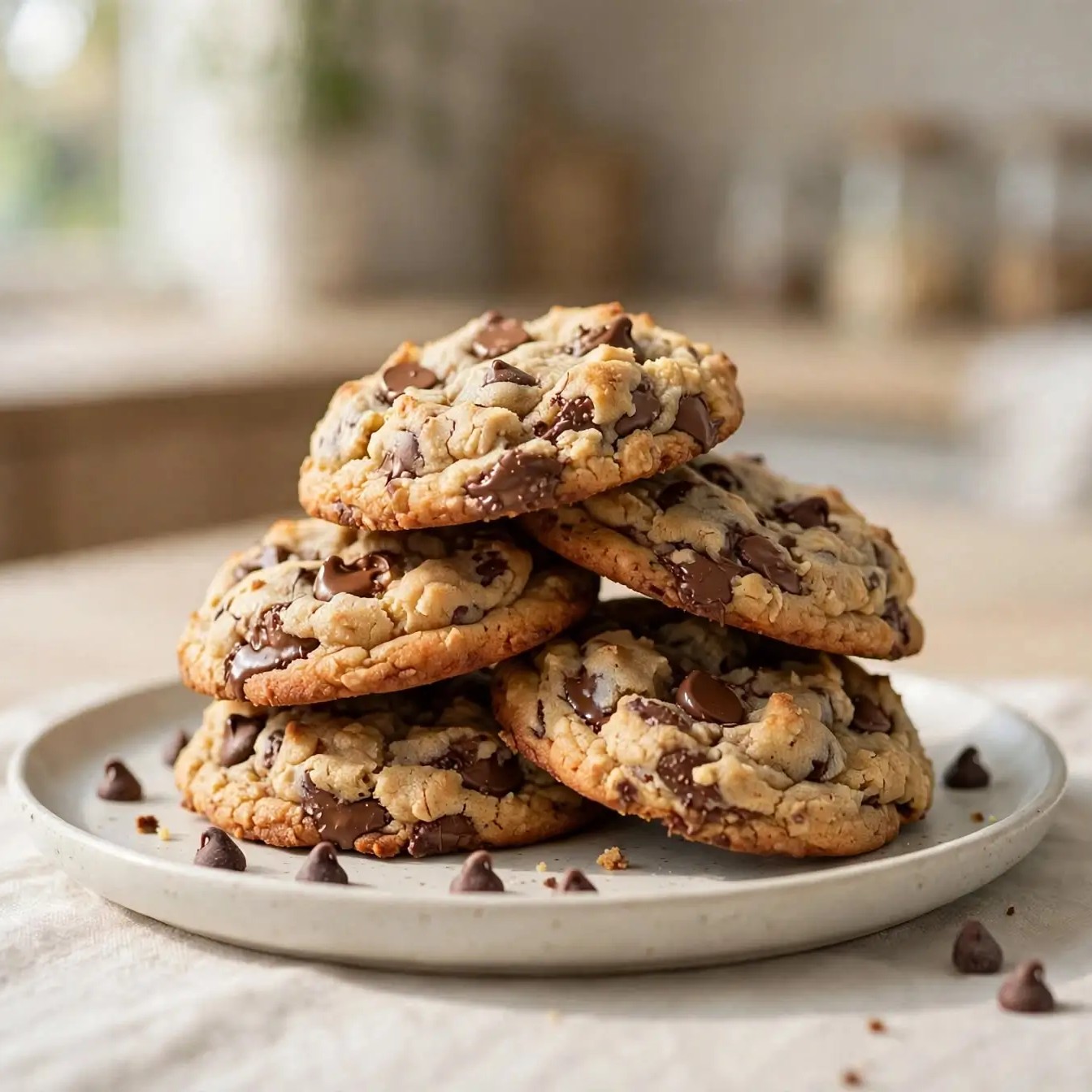
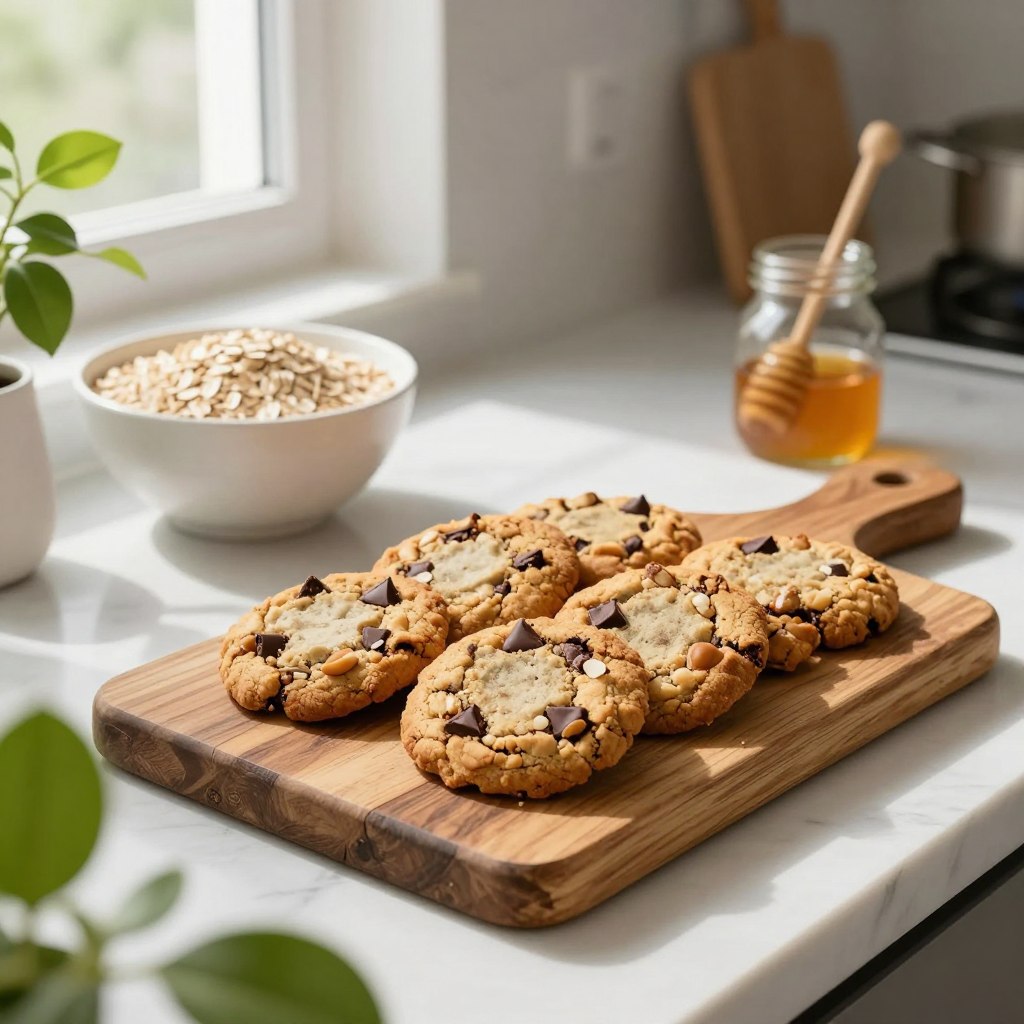
Table of Contents
What Are High Protein Cookies?
High protein cookies are cookies made with ingredients that provide more protein than you would typically find in a traditional cookie. Depending on the recipe, that protein may come from Greek yogurt, eggs, cottage cheese, nut butter, milk, oats, or protein powder.
The goal isn’t to turn a classic cookie into something complicated. Instead, I prefer using familiar ingredients and making a few practical changes to increase the protein while keeping the cookie enjoyable to eat.
Protein powder can be useful, especially when you want to increase the protein without adding a large amount of food to the recipe. However, it isn’t essential for every high protein cookie. Different powders also behave differently. Whey protein can produce a softer or more tender texture, while some plant-based or casein-based powders may absorb more liquid and create a thicker dough.
Texture is another important consideration. High protein cookies can become dry if too much protein powder or too little moisture is used. Ingredients such as nut butter, yogurt, eggs, and milk can help create a softer dough and more tender finished cookie.
Our Best High Protein Cookies
These high protein cookie ideas cover a few of my favorite combinations, from classic peanut butter to chewy chocolate chip. Each one takes a slightly different approach to balancing protein, sweetness, and texture.
If you’re new to making protein cookies, I’d start with the flavor you already enjoy most. Familiar ingredients make it easier to adjust sweetness, mix-ins, and texture the next time you make them.
Peanut Butter Protein Cookies
Peanut butter and protein powder make a natural combination for a soft, nutty cookie. Peanut butter contributes protein and fat while also giving the cookies plenty of flavor, so you don’t need a long ingredient list.
For the best texture, use creamy peanut butter and avoid adding too much protein powder. If the dough seems unusually thick or crumbly, a small amount of milk can help bring it together.
These cookies work well as an afternoon snack or a make-ahead option. You can also add a few mini chocolate chips for a peanut butter-and-chocolate combination.
Chewy Chocolate Chip Protein Cookies
Chewy chocolate chip protein cookies are a good option when you want something closer to a traditional chocolate chip cookie. Greek yogurt or nut butter can add moisture, while protein powder increases the protein content without requiring a large amount of additional ingredients.
I recommend watching the baking time closely with protein cookies. They can continue to firm up as they cool, so taking them out when the centers still look slightly soft can help prevent a dry result.
For extra texture, try using a combination of mini and regular chocolate chips. A small sprinkle of flaky salt on top is also a nice contrast to the sweetness.
High Protein Cookies: Tasty & Easy Protein-Packed Treats
A simple high protein cookie can be built around ingredients you already have in the kitchen. Oats, nut butter, eggs, Greek yogurt, milk, and protein powder all offer different ways to increase the protein while changing the texture.
If you prefer a softer cookie, focus on moisture-rich ingredients such as yogurt or nut butter. For a heartier texture, oats can add more chew and structure. You can customize the flavor with cinnamon, vanilla, cocoa powder, dried fruit, or chocolate chips.
The key is balance. Adding more protein powder isn’t always the answer. Too much can make the dough thick and the finished cookies dry, so it is better to adjust the recipe gradually.
How to Choose a High Protein Cookie
Start by deciding what kind of cookie you actually want to eat. If you prefer a soft, chewy cookie, look for recipes that use ingredients such as Greek yogurt, nut butter, eggs, or another source of moisture. If you like a heartier cookie, oats can provide more structure and chew.
Next, consider where the protein is coming from. Protein powder is convenient, but it isn’t the only option. Greek yogurt, cottage cheese, eggs, milk, nut butter, and seeds can all contribute protein depending on the recipe.
The type of protein powder matters, too. Whey, casein, whey-casein blends, and plant-based powders can absorb liquid differently. If you’re substituting one type for another, you may need to adjust the amount of milk or another wet ingredient.
I also recommend looking at the ingredient list before choosing a recipe. A cookie with a dozen specialty ingredients may not be any more enjoyable than one made with a handful of familiar foods. For everyday baking, I prefer recipes that are simple enough to make again without requiring a special grocery trip.
Finally, think about storage. If you’re making cookies ahead for snacks, choose a recipe that keeps its texture well after refrigeration or freezing.
Easy Ways to Add More Protein to High Protein Cookies
There are several ways to increase the protein in cookies without making them taste like a protein supplement.
Add Greek yogurt. Greek yogurt can contribute protein while also adding moisture. It works especially well in softer cookie recipes. If the yogurt makes the dough too wet, balance it with enough dry ingredients to create a scoopable dough.
Use nut or seed butter. Peanut butter, almond butter, and sunflower seed butter can contribute protein along with flavor and richness. Keep in mind that different brands have different consistencies, so the dough may need small adjustments.
Add eggs. Eggs provide structure as well as protein. They can also help create a softer, more cohesive cookie dough.
Use protein powder carefully. Protein powder is one of the simplest ways to increase protein, but more isn’t always better. Too much can produce a dry, dense cookie. Start with the amount called for in a reliable recipe and adjust only when you understand how the powder behaves.
Include milk or dairy ingredients. Milk can add some protein while helping compensate for the moisture that protein powder absorbs. Cottage cheese can also work in some cookie recipes, especially when blended until smooth.
I like to combine two or three of these ingredients rather than depending on a large amount of protein powder. This usually gives you more flexibility with flavor and texture.
Tips for Preparing High Protein Cookies
The biggest challenge with high protein cookies is avoiding a dry or overly dense texture. Protein powder and oats can absorb quite a bit of moisture, so the dough should usually have enough wet ingredients to compensate.
Pay attention to the dough before baking. If it is extremely crumbly and won’t hold together when pressed, it may need a small amount of milk or another wet ingredient. Add it gradually rather than pouring in a large amount at once.
Don’t overmix the dough. Once the ingredients are combined, stop mixing. Overworking the dough can affect the texture, particularly when flour or oats are involved.
Portion the cookies evenly so they bake at the same rate. A cookie scoop makes this much easier, especially when the dough is thick.
Keep an eye on baking time. Protein cookies often look softer when they first come out of the oven and firm up as they cool. If you wait for the centers to look completely firm in the oven, you may end up with a dry cookie.
Finally, let the cookies cool before judging the texture. I find that giving them several minutes on the baking sheet helps them set without continuing to bake aggressively.
Frequently Asked Questions
Are high protein cookies actually high in protein?
It depends on the recipe and serving size. The amount of protein can vary significantly based on ingredients such as protein powder, Greek yogurt, eggs, nut butter, and milk. Check the complete ingredient list and serving size rather than relying only on the name of the recipe.
Can I make high protein cookies without protein powder?
Yes. Protein powder is convenient, but it isn’t required. Ingredients such as Greek yogurt, eggs, cottage cheese, milk, nut butter, seeds, and oats can all contribute protein.
Why are my protein cookies dry?
Too much protein powder, too little moisture, or overbaking are common reasons. Different protein powders also absorb liquid differently. If your dough looks unusually dry before baking, you may need a small amount of additional liquid.
Can I substitute one type of protein powder for another?
Sometimes, but the texture may change. Whey, casein, whey-casein blends, and plant-based powders can have different absorption properties. If you make a substitution, check the dough consistency and add liquid gradually if necessary.
How should I store high protein cookies?
Storage depends on the ingredients and recipe. Most cookies containing dairy or other perishable ingredients should be refrigerated in an airtight container. For longer storage, many cookies can be frozen and thawed in the refrigerator or at room temperature, although the texture may change slightly.
Conclusion
High protein cookies can be a simple way to combine a sweet treat with ingredients that contribute protein. The best recipes don’t need to rely on a large amount of protein powder or complicated ingredients. Greek yogurt, eggs, nut butter, oats, milk, and other familiar foods can all play a role. I recommend starting with a flavor you already enjoy, paying attention to the dough consistency, and avoiding overbaking. With a few small adjustments, you can create soft, chewy cookies that are easy to prepare and convenient to keep on hand.