
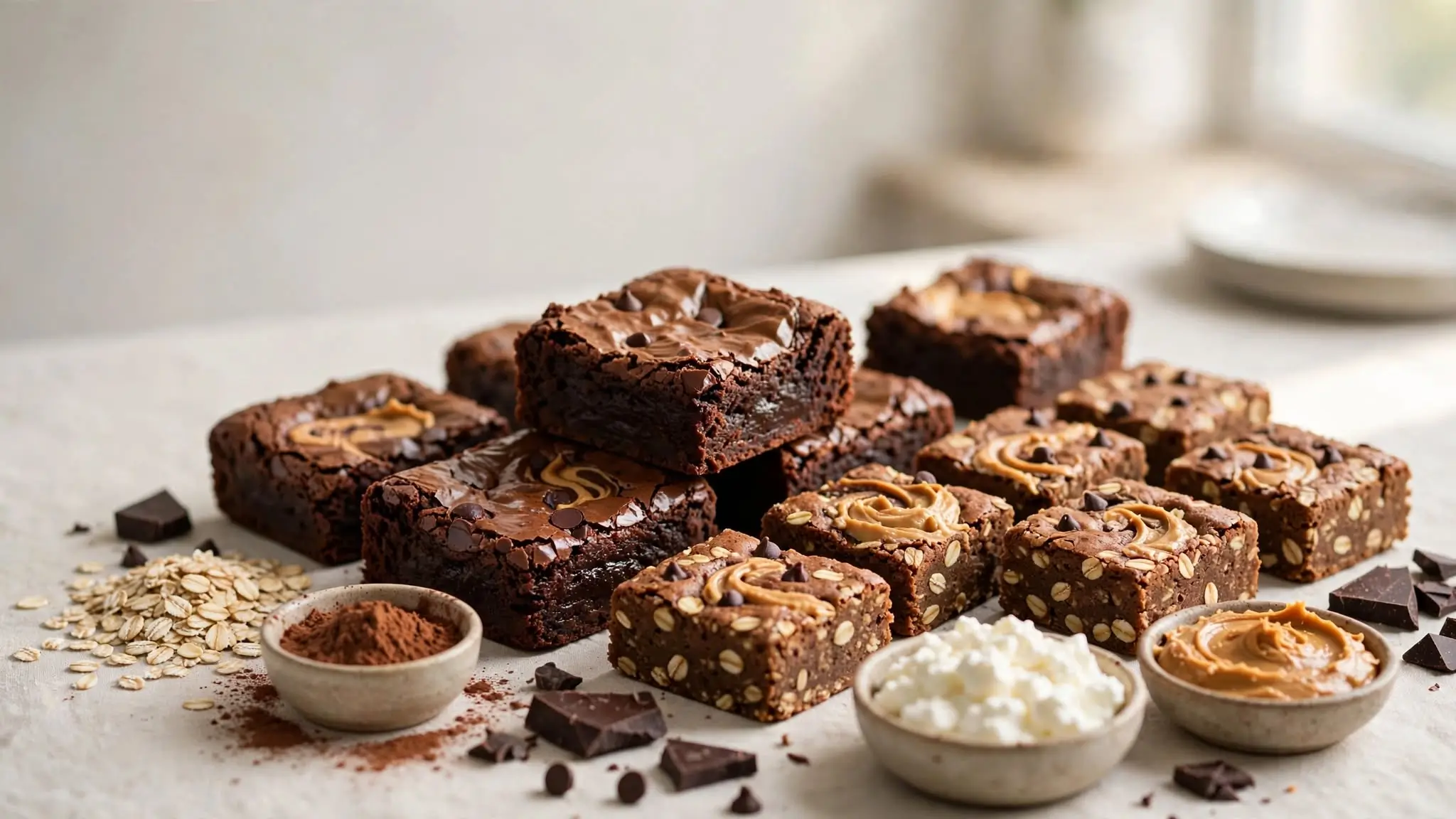
Protein Brownies & Bars
If you love chocolate desserts but want more protein in your everyday meals and snacks, protein brownies and bars are an easy place to start. They can be soft and fudgy, chewy and firm, or made without an oven at all, depending on the ingredients and method you choose.
I like this category because there are plenty of ways to make a protein brownie or bar without relying on a long list of specialty ingredients. Greek yogurt, cottage cheese, eggs, nut butter, oats, milk, and protein powder can all help increase the protein content while contributing something useful to the texture.
In this collection, you’ll find several styles of protein brownies and bars, from peanut butter brownies to cottage cheese brownies and no-bake chocolate options. Some work well as an afternoon snack, while others are convenient for meal prep when you want something ready to grab from the refrigerator.
Whether you prefer a rich, fudgy brownie or a firmer bar that travels well, there’s plenty of room to adjust the ingredients and sweetness to fit your preferences.
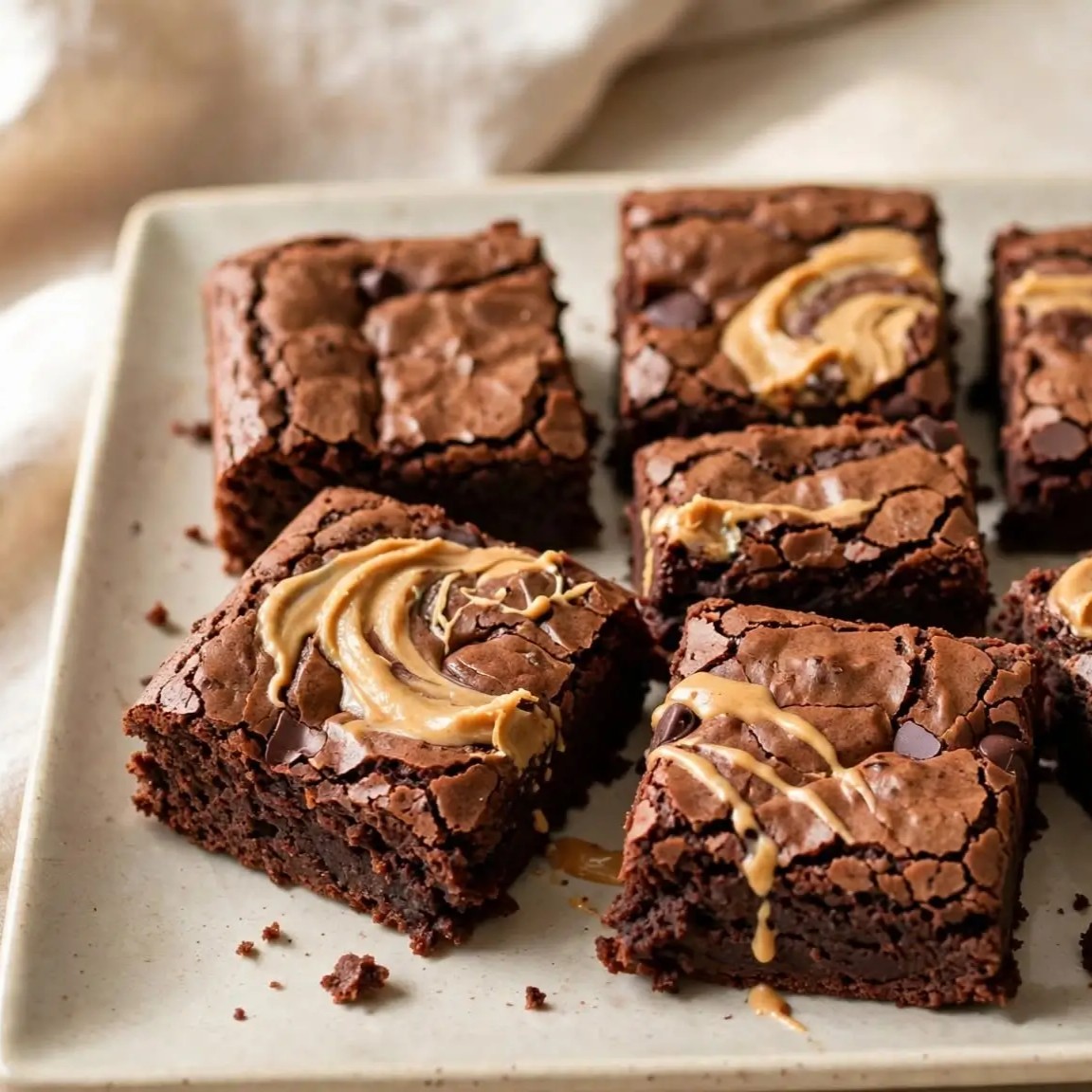
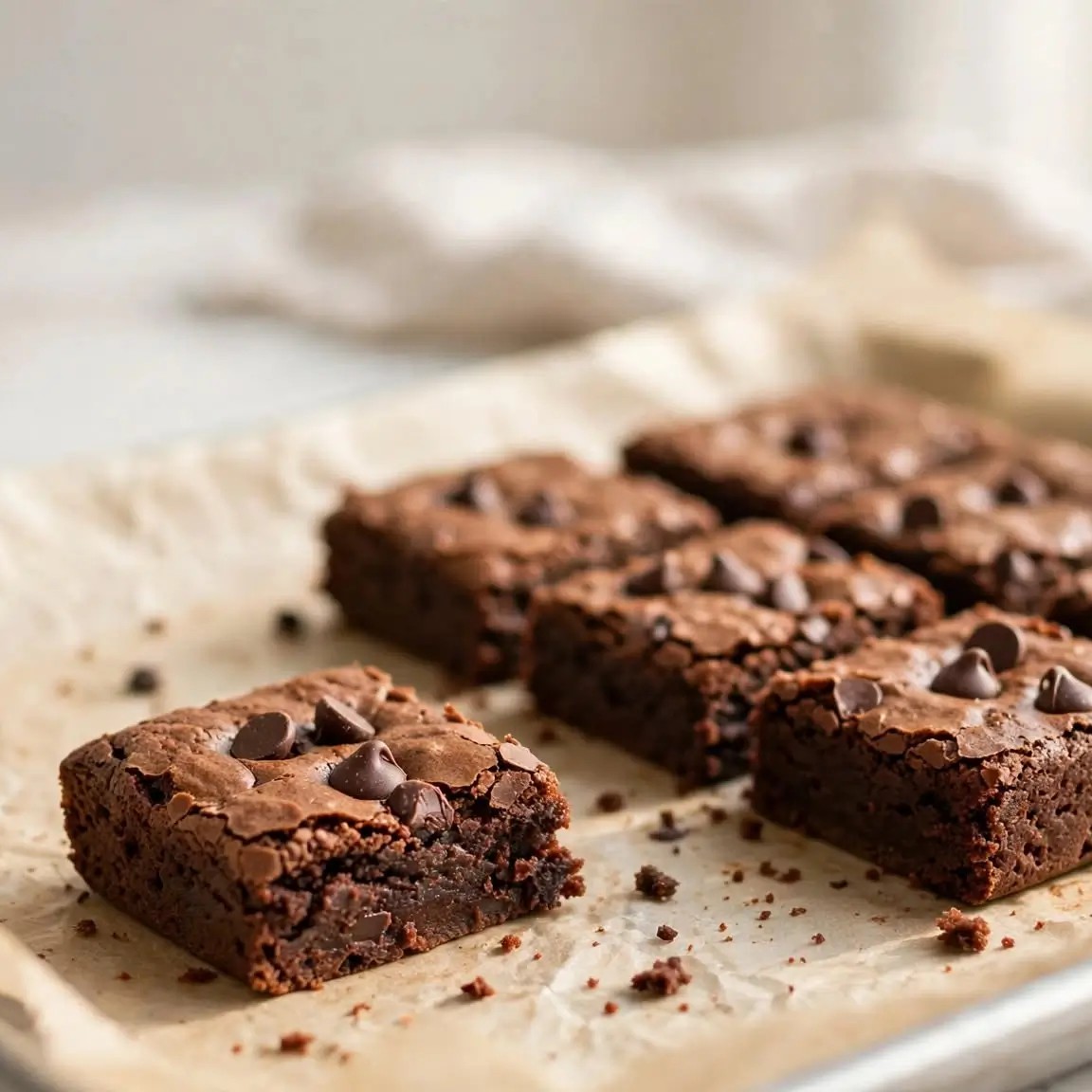
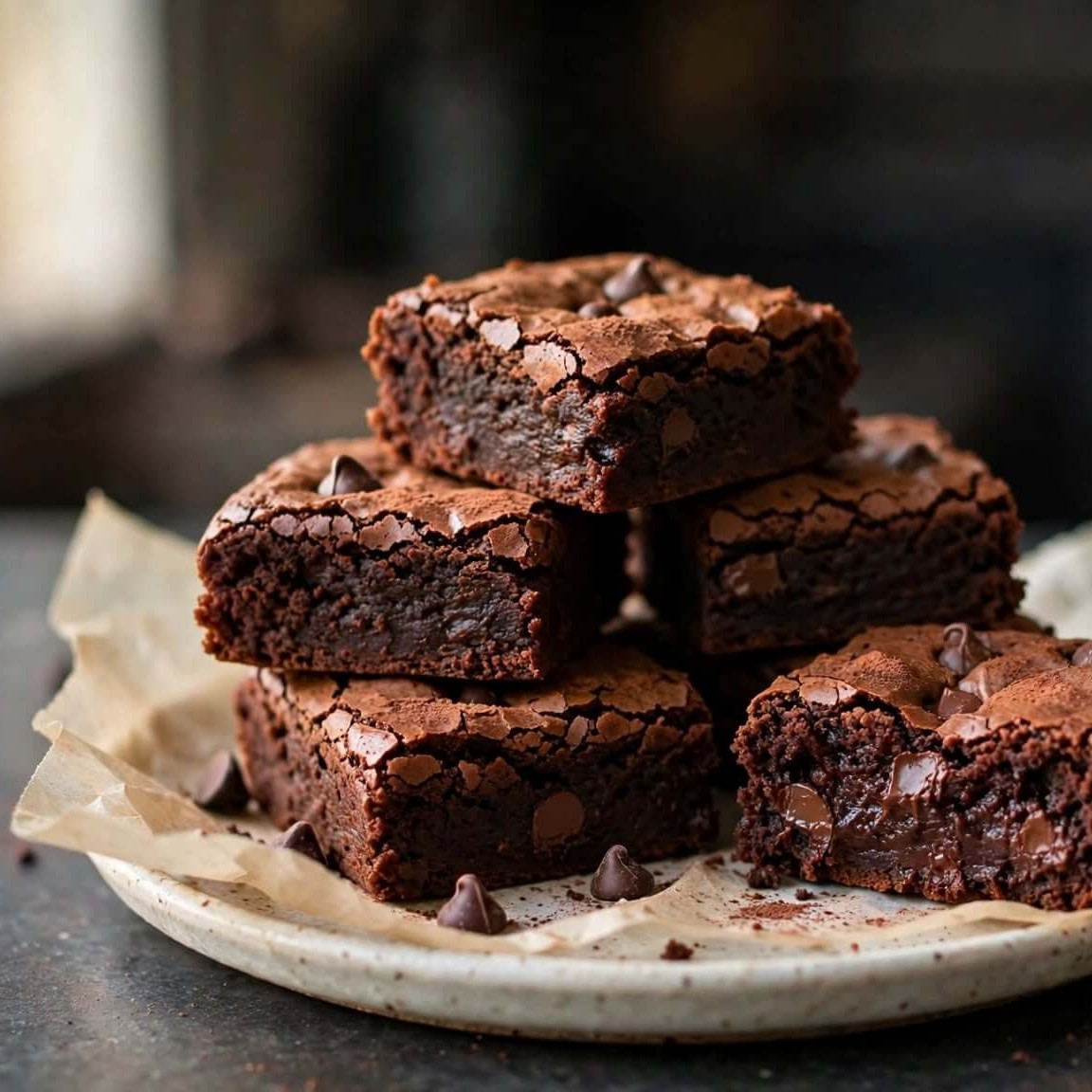
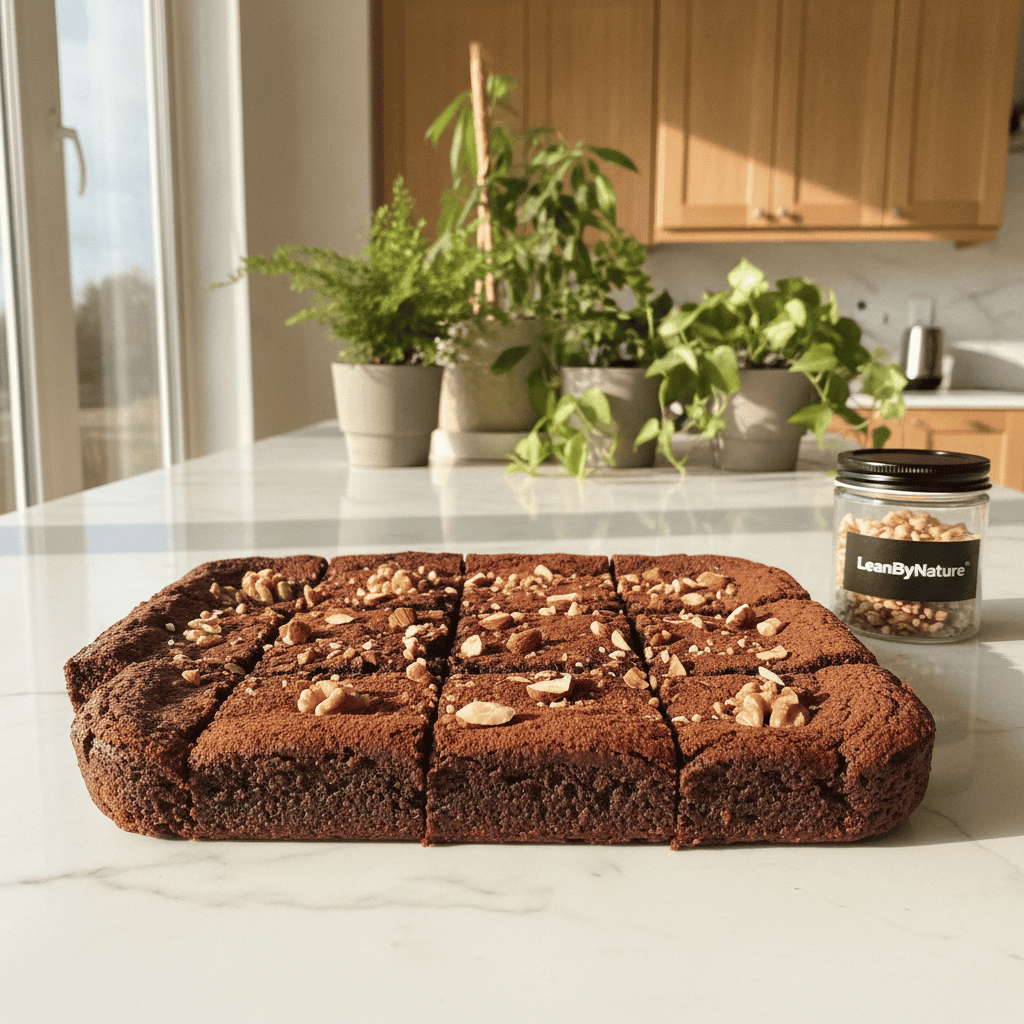
Table of Contents
What Are Protein Brownies & Bars?
Protein brownies and bars are chocolate-based snacks or desserts that use one or more protein-rich ingredients to increase the amount of protein compared with a traditional brownie or dessert bar.
The protein can come from familiar ingredients such as eggs, Greek yogurt, cottage cheese, milk, nut butter, seeds, oats, or beans. Protein powder is another common option, although it is not essential for every recipe. The type of protein powder you use can make a noticeable difference in the final texture, especially in baked recipes.
Protein brownies tend to have a softer, more dessert-like texture. Depending on the recipe, they can be dense and fudgy or lighter and more cake-like. Protein bars are often a little firmer, which makes them convenient for portioning and storing.
The important thing is to balance the protein-rich ingredients with enough moisture and fat to keep the finished brownies or bars from becoming dry. Ingredients such as yogurt, cottage cheese, nut butter, milk, and eggs can help with that.
These recipes also give you plenty of flexibility. You can adjust the sweetness, change the toppings, or use a different nut or seed butter based on what you already have in the kitchen.
Our Best Protein Brownies & Bars
There are several different ways to make protein brownies and bars, so I like having options depending on the texture and preparation method I’m looking for. These recipes cover a few of the most useful styles, from peanut butter brownies to no-bake chocolate bars.
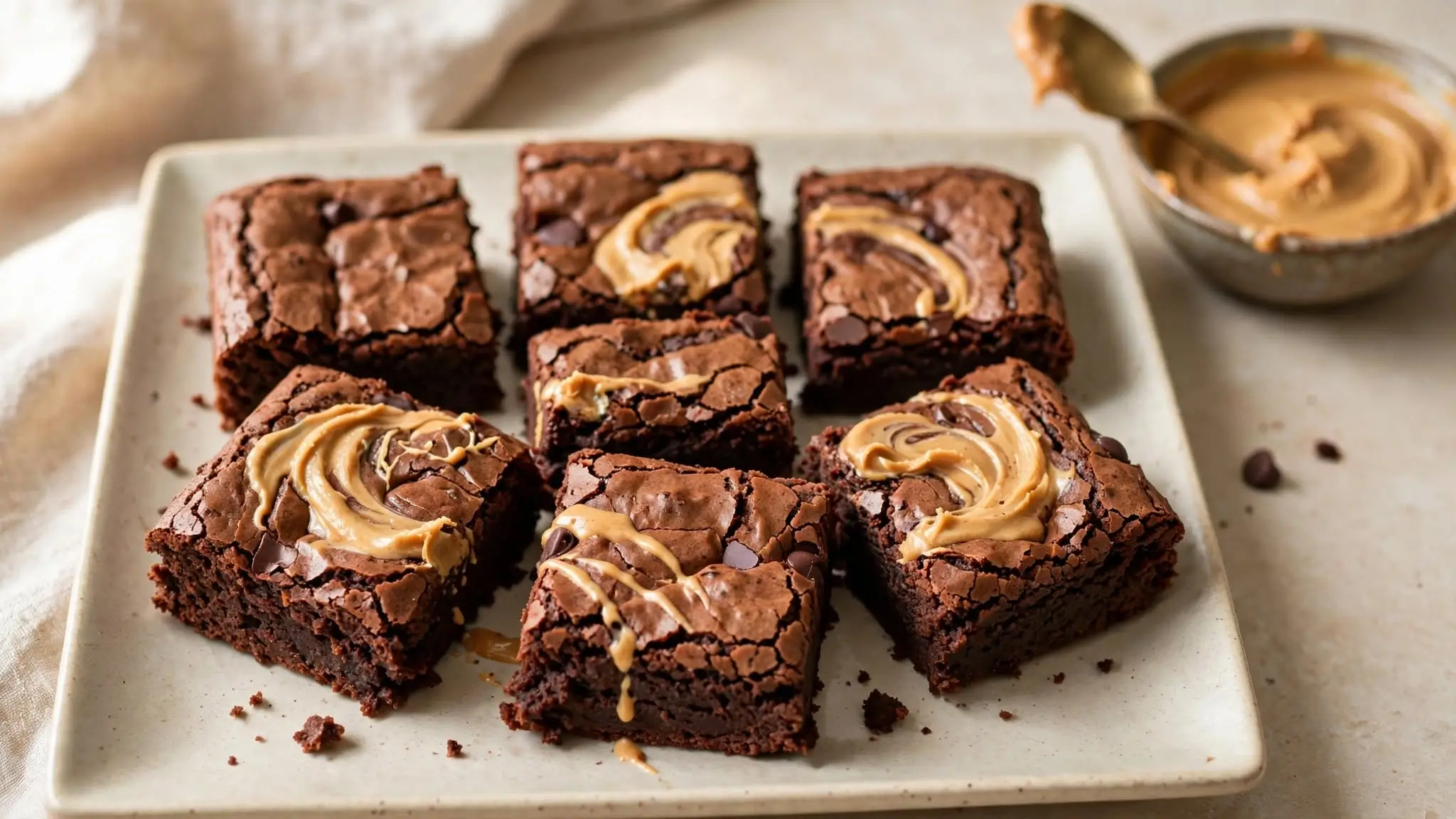
Peanut Butter Protein Brownies
Peanut butter and chocolate are a natural combination, and these protein brownies bring both flavors together in a soft, satisfying dessert. Peanut butter adds richness and helps create a moist texture, while cocoa powder provides the chocolate base.
These are a good choice when you want something that feels more like a traditional brownie but still includes protein-rich ingredients. You can use creamy or natural peanut butter, although the consistency of natural peanut butter can vary from brand to brand.
For an extra chocolate flavor, try adding a small amount of chocolate chips to the batter before baking.
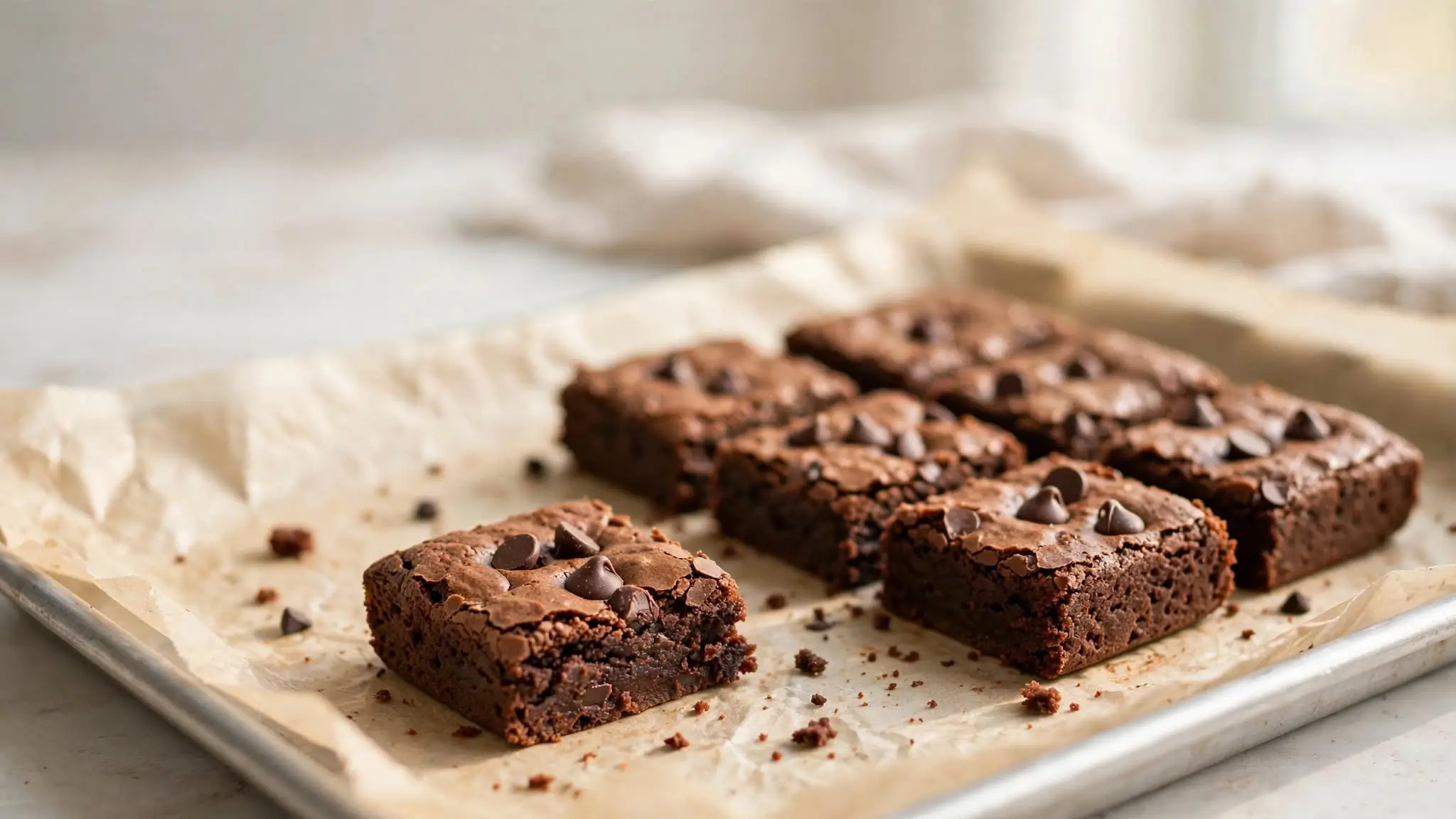
High Protein Brownie Bars
If you prefer something you can cut into neat portions and keep ready for later, high protein brownie bars are a practical option. They tend to be firmer than soft brownies and are especially useful for meal prep.
Oats, protein powder, nut butter, milk, and cocoa powder can work together to create a sturdy bar without making it overly complicated. The exact texture will depend on the ingredients and protein powder you use.
Let the bars cool completely before slicing. If they seem too soft after baking, chilling them can make clean cuts much easier.
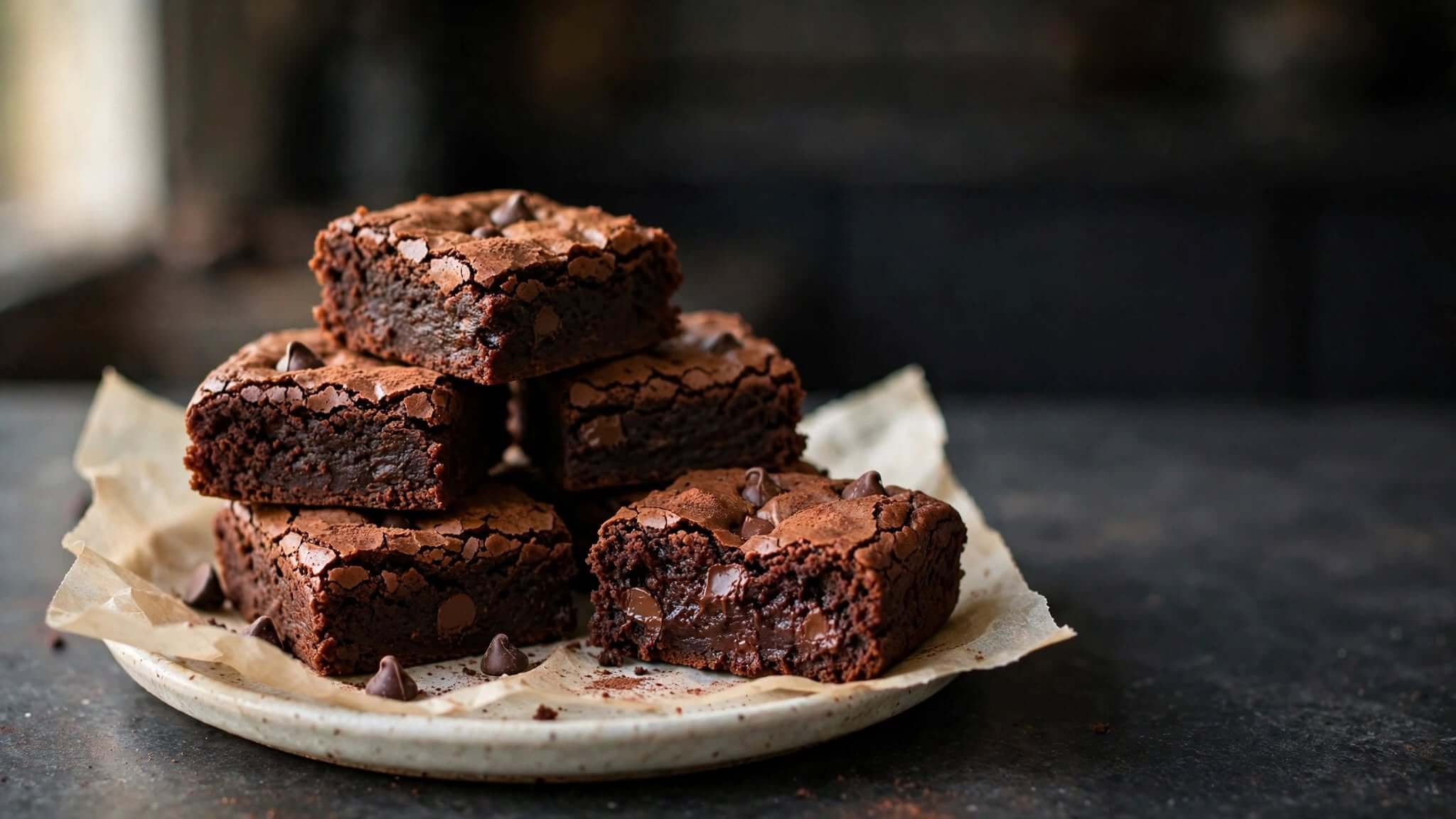
Fudgy Cottage Cheese Protein Brownies
Cottage cheese may not be the first ingredient that comes to mind when you think about brownies, but it can work particularly well in chocolate baked goods. Blending the cottage cheese first gives the batter a smoother consistency and helps prevent noticeable curds in the finished brownies.
These brownies are a good option when you want a dense, fudgy texture. I recommend using a blender or food processor to make the cottage cheese as smooth as possible before adding it to the other ingredients.
Because cottage cheese varies in moisture, the batter may need a small adjustment depending on the brand you use. Start with the listed amount of liquid and only add more if the batter is unusually thick.
Easy No-Bake Chocolate Protein Brownies (2026)
No-bake protein brownies are useful when you want a chocolate snack without turning on the oven. Instead of relying on baking to set the mixture, these brownies are shaped and chilled until firm.
Oats, nut butter, cocoa powder, protein powder, and a liquid ingredient can create a thick mixture that holds together after refrigeration. The key is to add liquid gradually. Different protein powders absorb moisture differently, so adding too much at once can make the mixture sticky.
Once the mixture is firm enough to handle, press it into a lined pan and chill until set. You can slice it into bars or small brownie-sized squares
How to Choose a Protein Brownies & Bars Recipe
The best protein brownies or bars for you will depend on the texture you want, how much time you have, and which ingredients are already in your kitchen.
For a fudgy brownie, look for recipes that use ingredients such as cottage cheese, Greek yogurt, nut butter, or eggs. These ingredients can add moisture and richness to the batter. If you prefer a firmer bar, recipes with oats and a higher proportion of dry ingredients may be a better fit.
Your preparation time matters, too. Baked brownies require time in the oven and usually need to cool before slicing, while no-bake versions can be assembled quickly and left to set in the refrigerator.
It’s also worth considering the protein source. If you enjoy using protein powder, you’ll have plenty of options. If you prefer to get protein from regular foods, look for recipes that rely more heavily on cottage cheese, Greek yogurt, eggs, nut butter, milk, or other whole-food ingredients.
Finally, think about storage. A soft brownie may be best eaten at home, while a firm bar can be easier to portion and pack. Choose the recipe that fits how you actually plan to eat it.
Easy Ways to Add More Protein to Protein Brownies & Bars
You don’t always need to add a large scoop of protein powder to increase the protein in brownies and bars. Several everyday ingredients can contribute protein while also improving flavor or texture.
Greek yogurt can add moisture and a creamy texture to baked brownies. It works especially well in recipes where you want a softer crumb.
Cottage cheese is another useful option. Blending it until smooth makes it easier to incorporate into brownie batter and can create a dense texture.
Eggs provide structure in baked recipes while contributing protein. They also help the brownies hold together as they cook.
Nut and seed butters can add protein along with fat and richness. Peanut butter, almond butter, and sunflower seed butter can each work, although changing the butter may slightly change the flavor and consistency.
Protein powder is convenient when you want to increase the protein content without adding a large amount of food volume. Keep in mind that whey, casein, blended, and plant-based powders can absorb liquid differently.
Milk can also contribute some protein while helping adjust the consistency of a batter or no-bake mixture.
When making substitutions, avoid changing several ingredients at once. A small change can affect moisture, sweetness, firmness, and baking time.
Tips for Preparing Protein Brownies & Bars
Protein brownies can be a little less forgiving than traditional brownies, especially when a recipe contains a significant amount of protein powder. Too much dry protein powder can leave the finished brownies dense or dry, so I prefer to follow the recipe measurements closely before making adjustments.
If you’re using protein powder, remember that different brands behave differently. Whey protein may produce a different texture from a plant-based powder, and some powders are noticeably sweeter than others.
For baked brownies, avoid overbaking. The center may still look slightly soft when the brownies are ready, and they will continue to firm up as they cool. Let them cool completely before deciding that the texture needs more cooking.
For no-bake bars, add liquid gradually. Start with the smaller amount if you’re unsure, then add more only when the mixture needs it. The finished mixture should be thick enough to press into a pan without spreading on its own.
Chilling also makes a big difference. If brownies or bars seem too soft to slice, refrigerate them for longer rather than immediately adding more dry ingredients.
Finally, line your pan with parchment paper when possible. It makes lifting and slicing the finished brownies much easier and saves you from trying to dig individual pieces out of the pan.
Frequently Asked Questions
Are protein brownies actually high in protein?
It depends on the recipe and serving size. Some use several protein-rich ingredients, while others rely mainly on a smaller amount of protein powder. Check the ingredient list and serving size rather than assuming every brownie labeled “protein” has the same amount.
Can I make protein brownies without protein powder?
Yes. Protein powder is not required for every recipe. Ingredients such as cottage cheese, Greek yogurt, eggs, milk, nut butter, beans, and seeds can contribute protein depending on the recipe.
Why are my protein brownies dry?
Dryness can come from too much protein powder or other dry ingredients, too little moisture, or overbaking. Different protein powders also absorb liquid differently, so changing brands can affect the final texture.
How should I store protein brownies and bars?
Storage depends on the ingredients and recipe. Brownies containing dairy ingredients such as cottage cheese or Greek yogurt generally need refrigeration. Follow the specific recipe’s storage instructions, and use an airtight container to help maintain texture.
Can I freeze protein brownies and bars?
Many brownies and bars can be frozen, although the texture may change slightly after thawing. For best results, wrap individual portions well and thaw them in the refrigerator before serving.
Conclusion
Protein brownies and bars give you plenty of ways to combine chocolate with protein-rich ingredients in a practical snack or dessert. From fudgy cottage cheese brownies to peanut butter brownies and no-bake chocolate bars, the right recipe depends largely on the texture and preparation method you prefer. I recommend starting with the option that fits your routine and then adjusting sweetness, toppings, or substitutions as you become familiar with the recipe. Keeping a batch refrigerated or frozen can also make it easier to have a homemade option ready when you want one.