
High-Protein Ground Beef Recipes
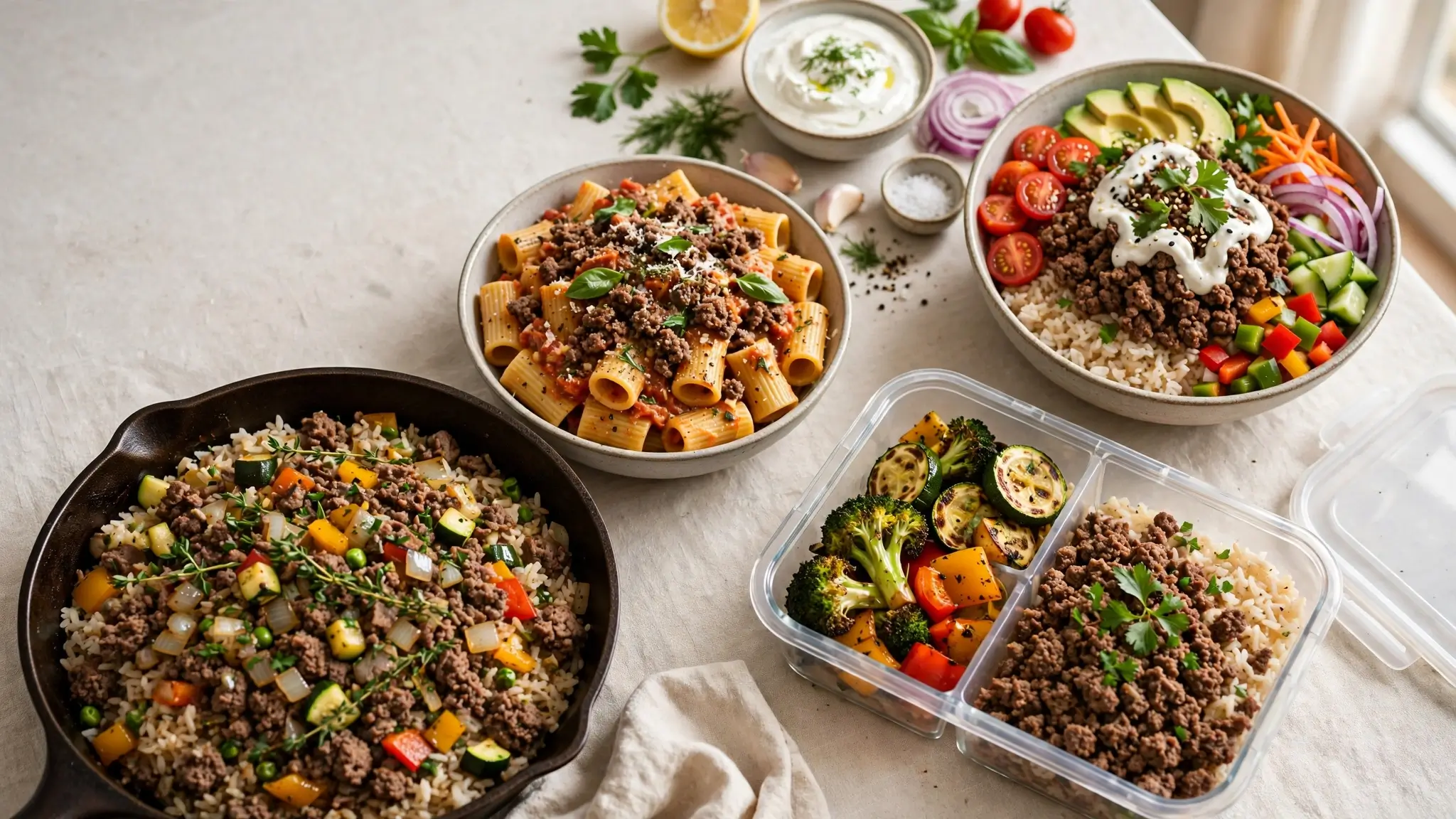
High-protein ground beef recipes are a practical way to make filling meals with familiar ingredients. Ground beef cooks quickly, works with a wide range of flavors, and can be combined with pasta, rice, vegetables, beans, and other protein-rich ingredients. I like using it for meals that can be made in one pan or prepared in batches for the week.
The recipes in this guide include a creamy ground beef pasta, a customizable beef bowl, a simple ground beef and rice skillet, and meal prep bowls. Each one gives you a different way to use ground beef without making dinner complicated.
You’ll also find tips for choosing the right recipe, adding more protein, cooking ground beef properly, and storing leftovers. Whether you’re planning weeknight dinners or preparing lunches ahead, these recipes give you a few practical options to rotate through.
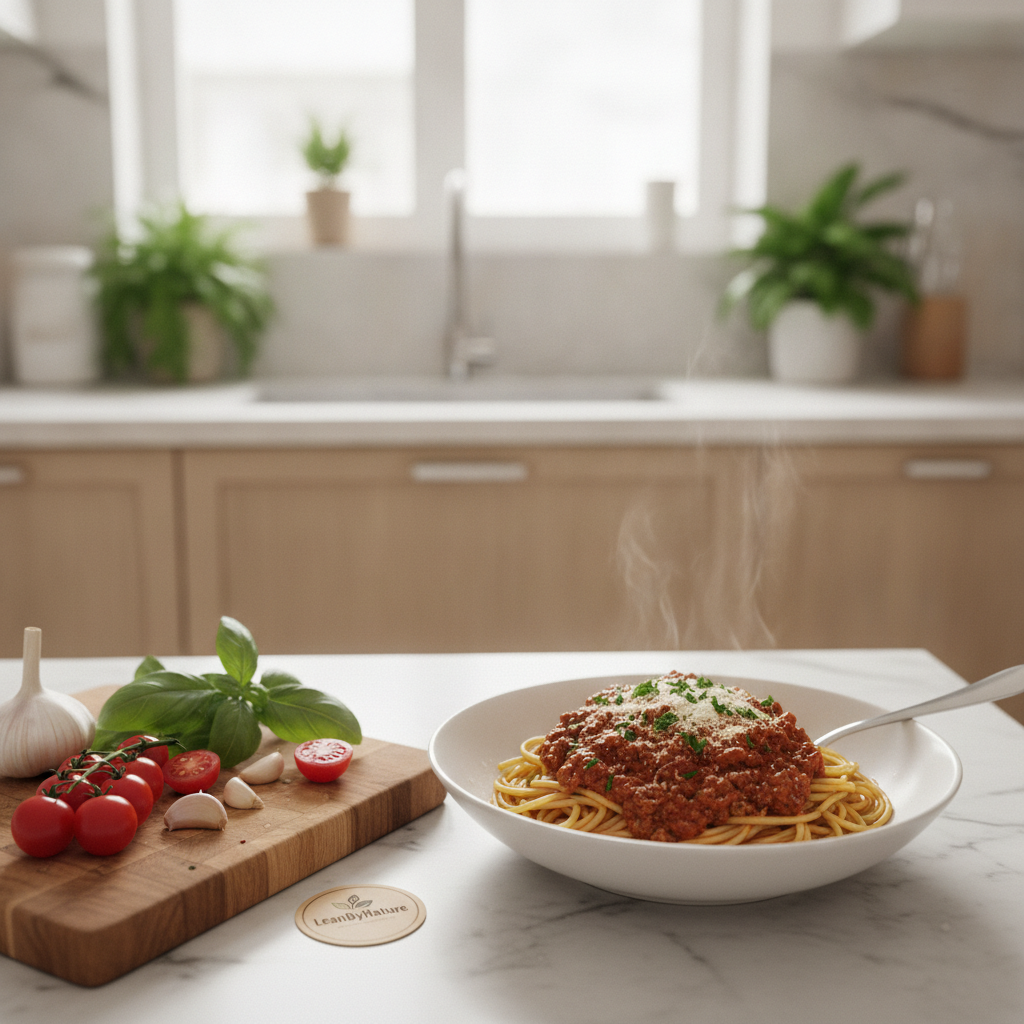
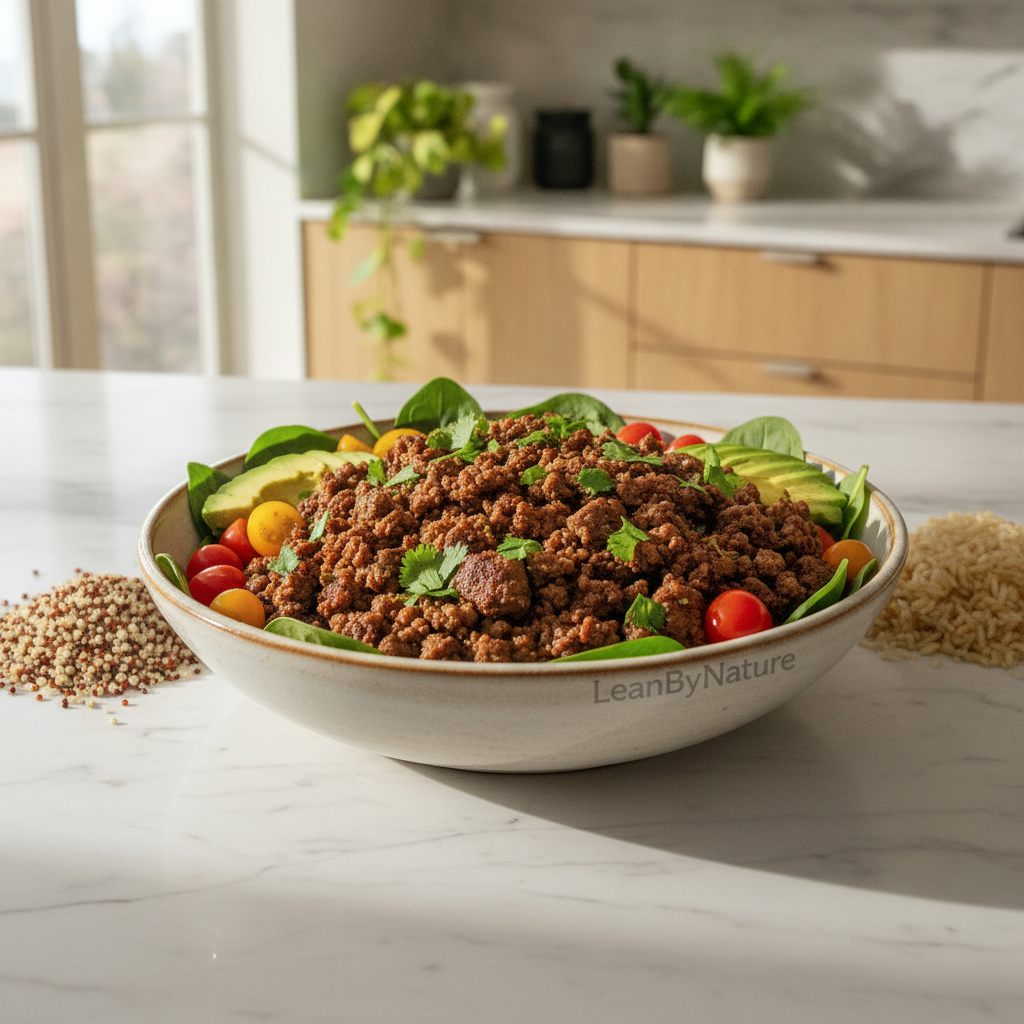
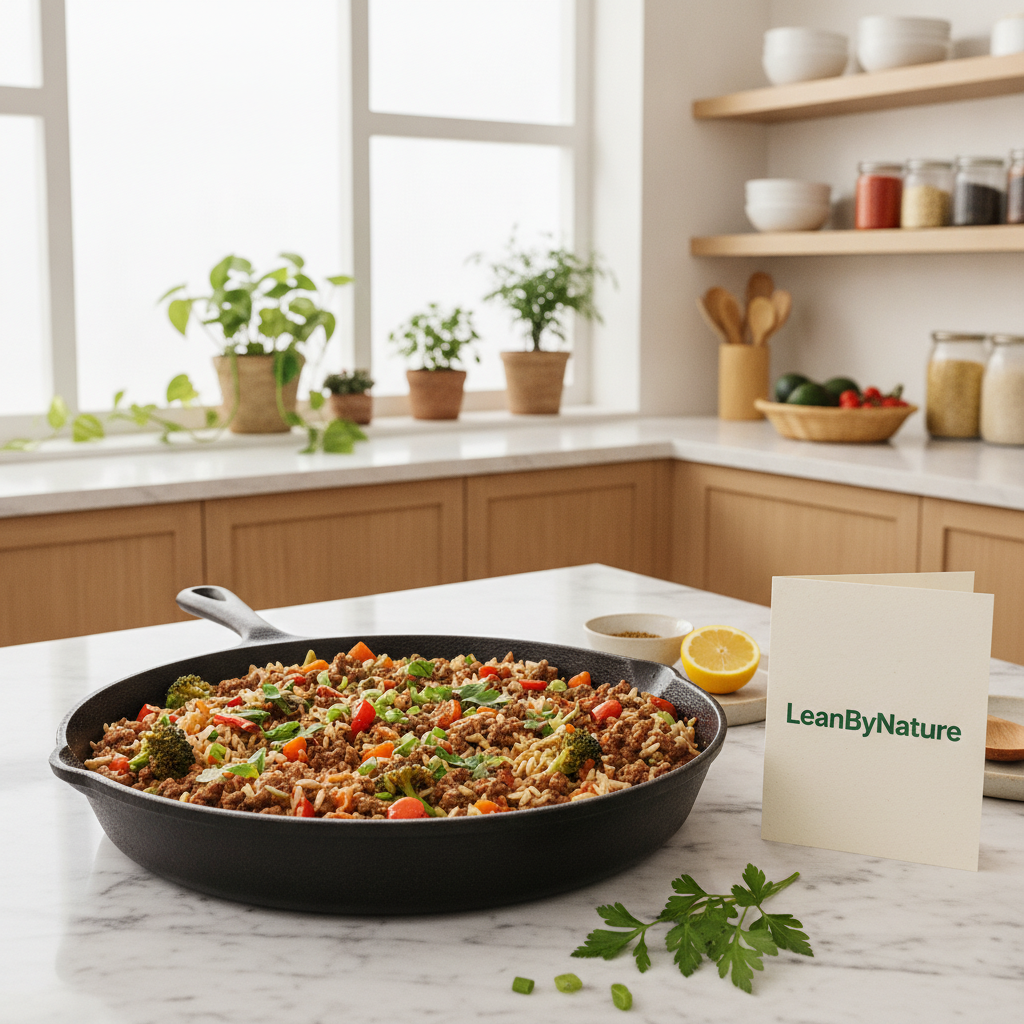
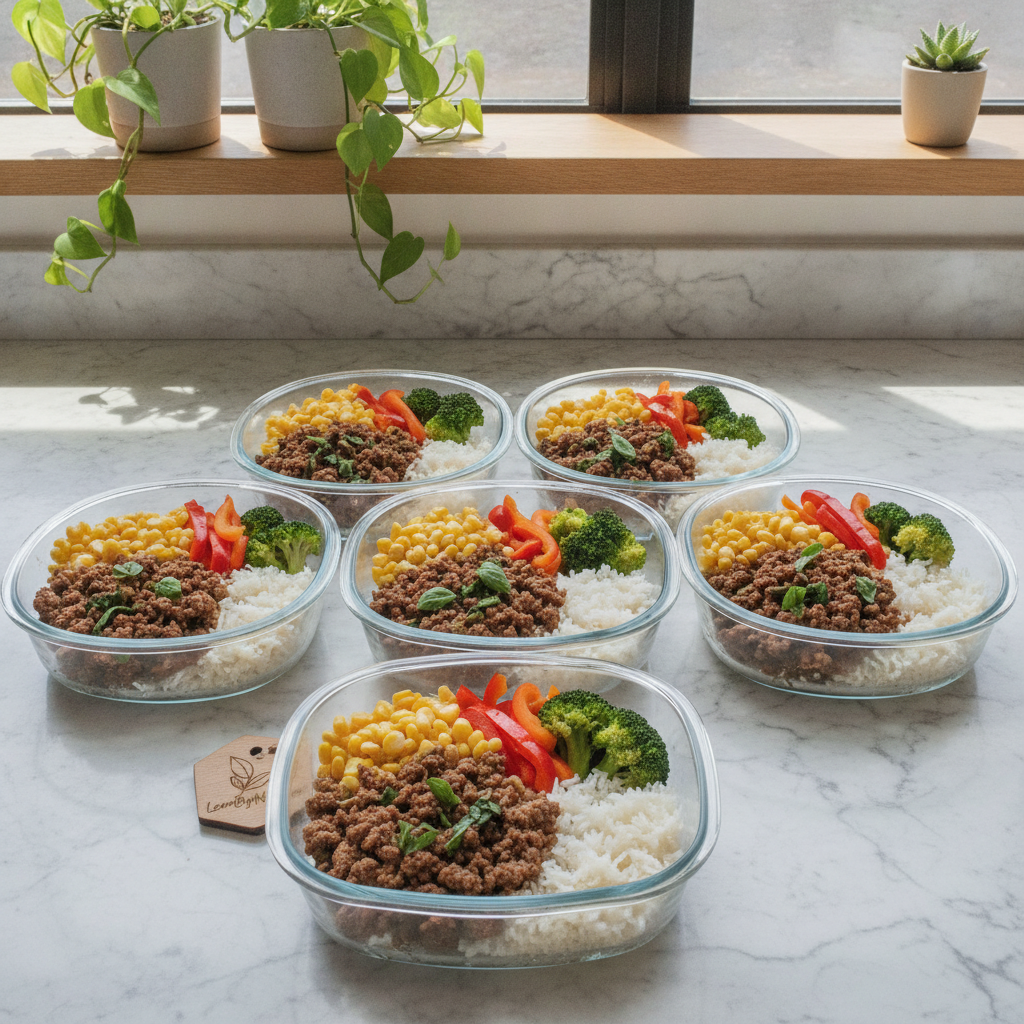
Table of Contents
What Are High-Protein Ground Beef Recipes?
High-protein ground beef recipes are meals that use ground beef as a main protein source, often paired with other ingredients that contribute protein. Depending on the recipe, those additions can include Greek yogurt, cottage cheese, beans, lentils, cheese, eggs, or higher-protein pasta.
Ground beef is especially versatile because it works across different cuisines and cooking styles. You can brown it in a skillet, simmer it with a sauce, combine it with rice, or use it as the base for a meal prep bowl. The type of ground beef you choose can also affect the flavor, richness, and overall nutrition of the finished meal.
Lean ground beef works well when you want a less-rich option, while ground beef with a higher fat percentage can produce a juicier, richer dish. I usually choose based on the recipe rather than assuming one type is best for every meal.
The total protein in a ground beef recipe depends on the amount and type of beef, the other ingredients, and the serving size. If you’re tracking protein closely, check the nutrition information on the specific ingredients you use.
Our Best High-Protein Ground Beef Recipes
These four recipes cover different ways to turn ground beef into an easy meal. The pasta is a comforting option with a creamy sauce, while the bowl gives you plenty of flexibility with vegetables and toppings. Ground beef and rice skillet keeps things simple with one pan, and meal prep bowls are useful when you want several lunches ready at once.
High-Protein Ground Beef Pasta
High-protein ground beef pasta combines seasoned ground beef with pasta and a flavorful sauce. Using a higher-protein pasta can increase the protein content, while Greek yogurt, cottage cheese, or cheese can add creaminess depending on the recipe.
For the best texture, avoid overcooking the pasta and ground beef. If the sauce becomes too thick, a small amount of reserved pasta water can help loosen it without making the dish watery.
High-Protein Ground Beef Bowl
A high-protein ground beef bowl is easy to customize around the ingredients you already have. Start with seasoned ground beef and add rice or another grain, vegetables, beans, and a flavorful sauce.
Greek yogurt makes a useful base for a creamy sauce, while beans can add another source of protein and a different texture. Keep sauces separate if you’re preparing the bowls ahead so the other ingredients stay fresh.
Ground Beef and Rice Skillet
Ground beef and rice skillet is a straightforward one-pan meal that works well for weeknight dinners. Brown the beef, add your seasonings and other ingredients, then combine everything with cooked or properly prepared rice.
You can add vegetables such as bell peppers, onions, spinach, or peas depending on the recipe. If you’re making leftovers, remember that rice can absorb liquid as it sits, so a small splash of broth or sauce can help restore the texture when reheating.
Easy Ground Beef Meal Prep Bowls
Ground beef meal prep bowls are convenient when you want several portions ready for the week. Combine cooked ground beef with rice or another grain, vegetables, and a sauce or topping that can be added when you’re ready to eat.
I like keeping wet ingredients separate whenever possible. This helps prevent the rice and vegetables from becoming soggy during storage. You can also change the seasonings or toppings between portions so the meals don’t all taste exactly the same.
How to Choose a High-Protein Ground Beef Recipe
Start by thinking about when and where you’ll eat the meal. A skillet is convenient for a weeknight dinner when you want minimal cleanup, while meal prep bowls are better suited to preparing several portions at once. Pasta can work well when you’re looking for a more comforting meal, and bowls are especially flexible when you want to use whatever vegetables or grains you already have.
The type of ground beef matters, too. Leaner ground beef can work well when you want a lighter texture, while a higher-fat blend can add richness. If you substitute one for the other, you may notice a difference in how much fat collects in the pan and how rich the finished dish tastes.
Consider the other protein sources in the recipe. A meal made with beef, beans, and a higher-protein grain or pasta will have a different nutritional profile from one made primarily with beef and rice.
Finally, think about storage. If you’re preparing food several days ahead, choose recipes that reheat well and keep sauces or toppings separate when necessary. This is especially helpful with meal prep bowls.
Easy Ways to Add More Protein to High-Protein Ground Beef Recipes
Ground beef already provides protein, but you can build additional protein into the rest of the meal. Beans and lentils are simple additions to bowls, skillets, and some pasta dishes. They also provide a different texture that can make a ground beef meal more interesting.
Greek yogurt is useful for sauces and toppings. I like mixing it with herbs, garlic, spices, or lemon juice to create a creamy sauce for bowls or wraps. Cottage cheese can also be blended into certain pasta sauces when you want a smooth, creamy texture.
Choosing higher-protein pasta is another straightforward option. Instead of simply adding more ground beef, you can pair your usual portion of beef with pasta that contributes additional protein.
Eggs, cheese, milk, seeds, and nuts can also work depending on the recipe. The goal is to choose ingredients that naturally fit the meal rather than adding several protein sources simply for the sake of increasing the number.
Keep in mind that the final protein amount varies based on the ground beef, brands, quantities, and serving size. For an accurate estimate, use the nutrition information from the products you actually use.
Tips for Preparing High-Protein Ground Beef Recipes
Brown ground beef thoroughly and break it into evenly sized pieces as it cooks. For ground beef, use a food thermometer to verify that it reaches a safe internal temperature of 160°F (71°C). Avoid relying only on color, particularly when preparing a large batch.
If your ground beef releases a lot of fat, you can drain some of it before continuing with the recipe. How much you remove depends on the fat percentage of the beef and the finished texture you’re looking for.
Season the beef while it cooks so the flavor develops throughout the dish. Garlic, onion, paprika, chili powder, cumin, Italian seasoning, black pepper, and other spices can take the flavor in very different directions without requiring complicated preparation.
When making pasta or rice dishes, pay attention to moisture. Ground beef can become dry when cooked too long, while rice and pasta can absorb sauce as they sit. Add broth, milk, pasta water, or sauce as appropriate when reheating.
For meal prep, refrigerate cooked ground beef and other perishable ingredients promptly in shallow containers. Divide large batches into individual portions so they cool and reheat more evenly, and reheat leftovers thoroughly before serving.
Frequently Asked Questions
What type of ground beef is best for high-protein recipes?
The best type depends on the recipe and your preference. Lean ground beef works well for many protein-focused meals, while a higher-fat blend can provide a richer flavor and juicier texture. You can usually choose based on how rich you want the finished dish to be.
Can I add beans to ground beef recipes?
Yes. Beans can work especially well in bowls, skillets, and some pasta dishes. They add another source of protein and give the meal a different texture.
How do I keep ground beef from becoming dry?
Avoid cooking it longer than necessary and use enough sauce or other moisture for the recipe. Ground beef with a little more fat can also produce a richer texture. When reheating leftovers, adding a small amount of broth or sauce can help.
Are ground beef recipes good for meal prep?
Many ground beef recipes work well for meal prep, particularly bowls, skillets, and rice dishes. Store portions in airtight containers and keep sauces or fresh toppings separate when that will help preserve texture.
How can I make a ground beef meal higher in protein?
You can pair ground beef with ingredients such as beans, lentils, Greek yogurt, cottage cheese, higher-protein pasta, eggs, or cheese. Choose additions that complement the recipe rather than adding ingredients that don’t fit the flavor or texture.
Conclusion
High-protein ground beef recipes give you plenty of practical options for weeknight dinners and meal prep. Ground beef pairs naturally with pasta, rice, vegetables, beans, and creamy sauces, so you can change the format without starting from scratch every time. I like having a few reliable recipes in rotation because they make it easier to plan meals around ingredients I already have. Start with the pasta, bowl, skillet, or meal prep option that best fits your schedule, then customize the seasonings and toppings to make it your own.