
High-Protein Chicken Recipes
High-protein chicken recipes are a practical way to build satisfying meals around a familiar ingredient. Chicken works well in everything from grain bowls and pasta to rice dishes and wraps, so you can change the flavors and format without completely changing your grocery list. I especially like chicken recipes that use simple ingredients and can be prepared ahead for lunches or weeknight dinners.
Chicken breast is a popular choice for protein-focused meals, but you don’t have to use it exclusively. Boneless, skinless chicken thighs can also work in many recipes when you prefer darker meat and a richer texture. The key is choosing a recipe that fits the time you have, the ingredients in your kitchen, and how you plan to serve it.
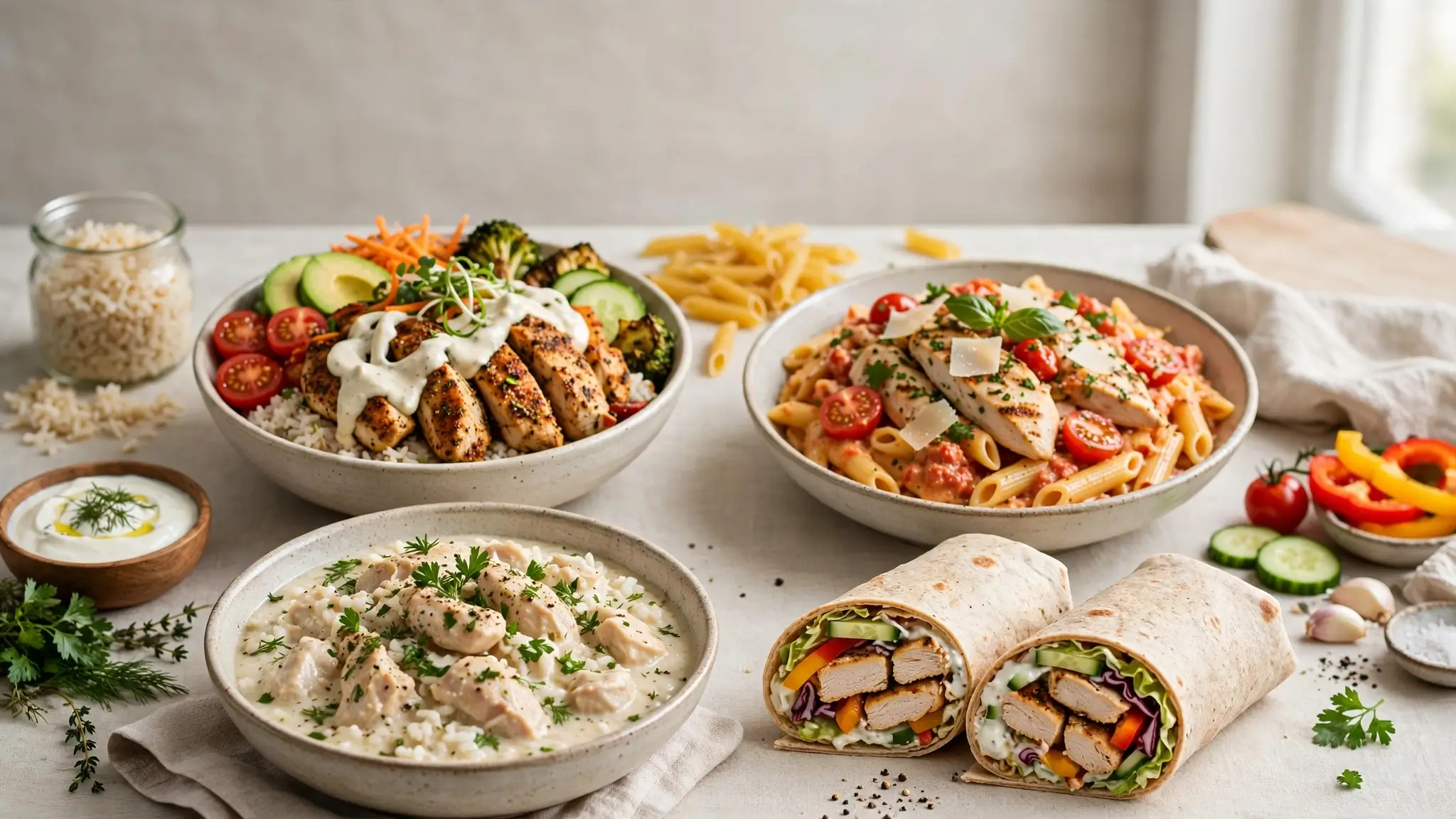
In this guide, I’m sharing four high-protein chicken recipes, including a chicken bowl, pasta, creamy chicken and rice, and a quick wrap. You’ll also find practical tips for choosing recipes, adding more protein, preparing chicken without drying it out, and storing leftovers safely.
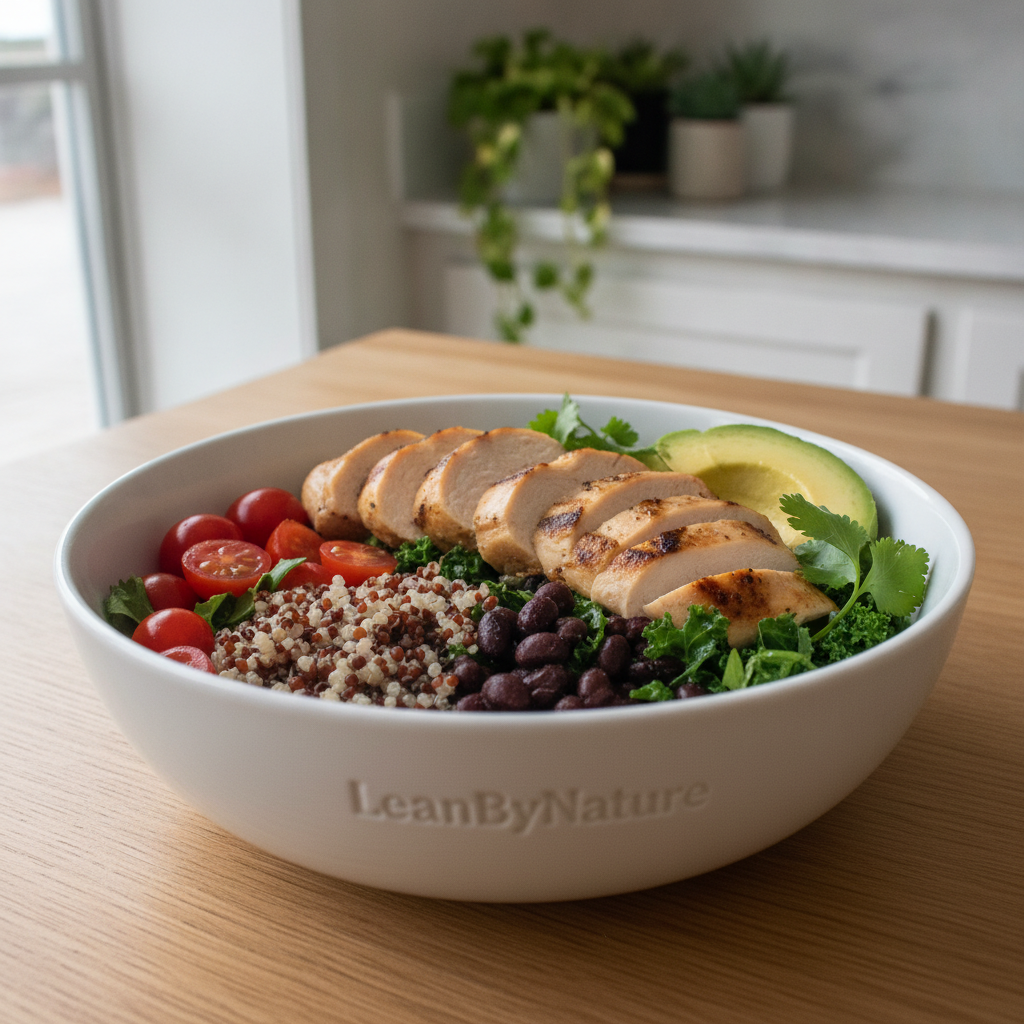
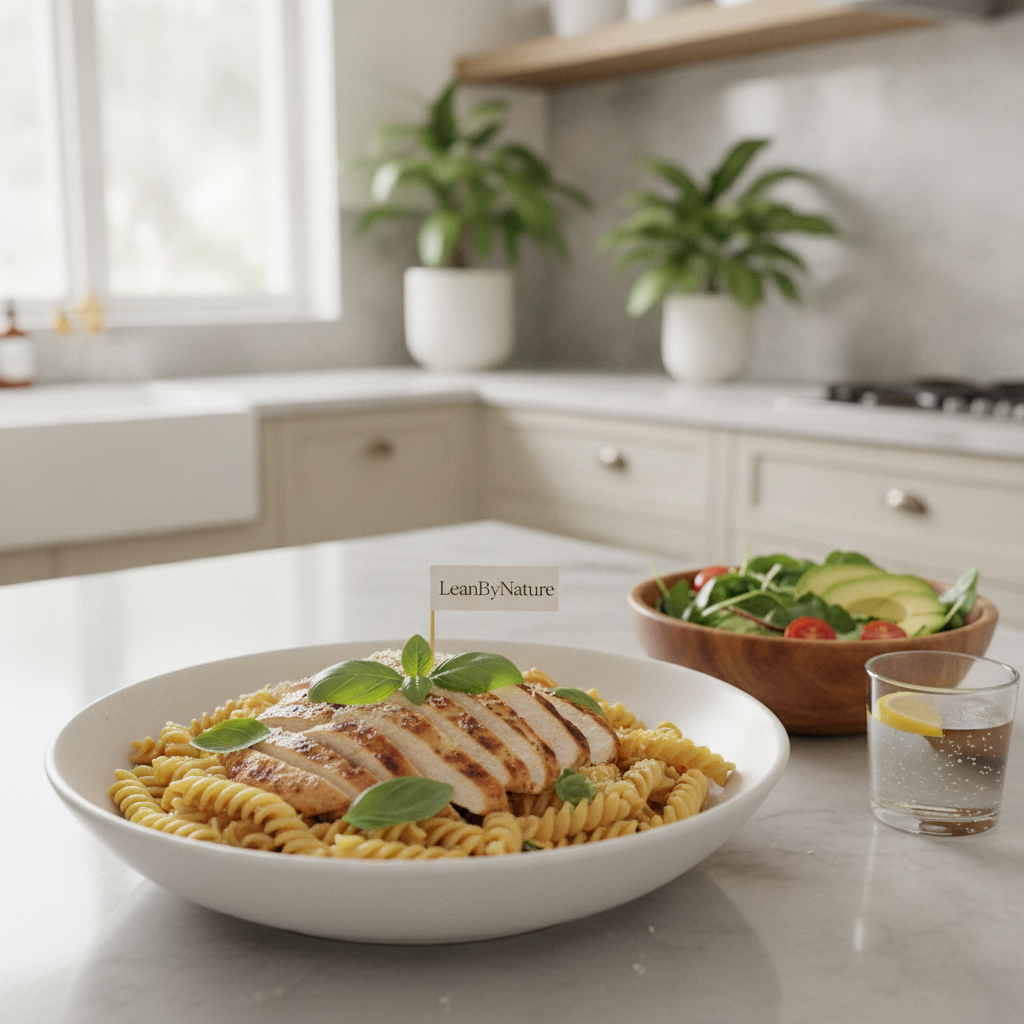
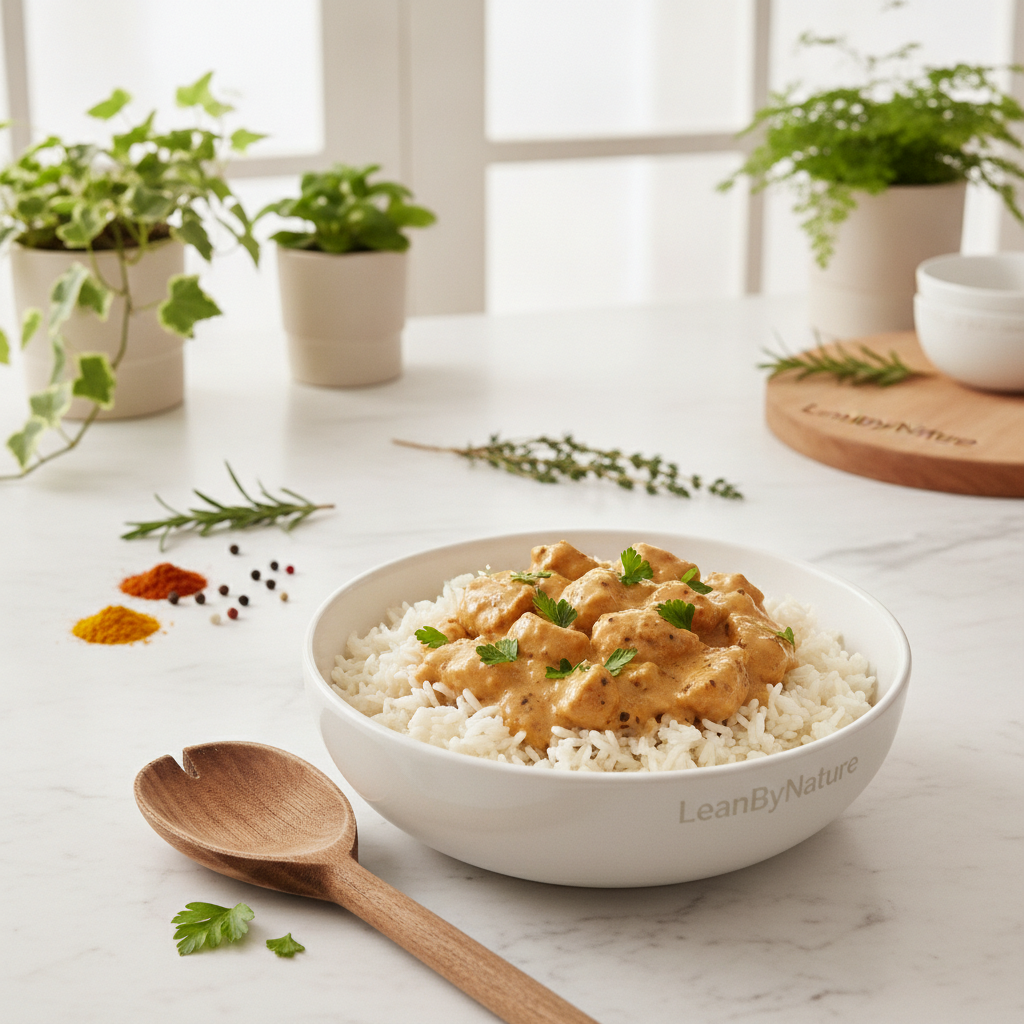
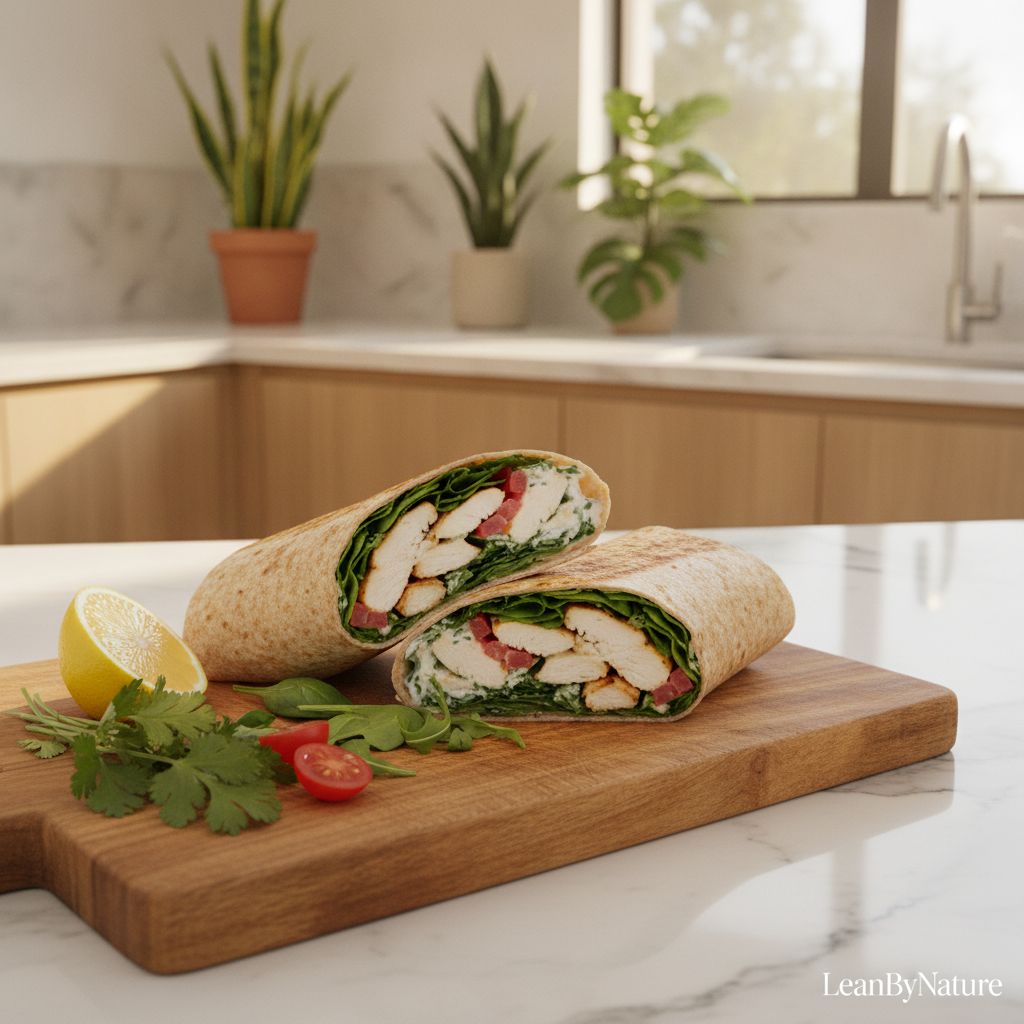
Table of Contents
What Are High-Protein Chicken Recipes?
High-protein chicken recipes are meals that use chicken as one of their main protein sources, often combined with other ingredients that contribute protein as well. Depending on the recipe, those ingredients might include Greek yogurt, cottage cheese, beans, lentils, eggs, milk, cheese, or higher-protein pasta.
Chicken is particularly useful because it works with a wide range of flavors and cooking methods. You can grill, bake, sauté, simmer, or shred it and use it in different types of meals. The final protein content depends on the amount and type of chicken used, along with the other ingredients and serving size.
I usually prefer recipes where the chicken remains tender rather than being cooked far beyond the point of doneness. Boneless, skinless chicken breast is lean and convenient, while chicken thighs can provide a more tender, richer option.
When building a high-protein chicken meal, think about the entire plate rather than adding chicken to everything. A balanced combination of chicken, grains or pasta, vegetables, sauces, and other protein-containing ingredients can create a meal with plenty of variety in texture and flavor.
Our Best High-Protein Chicken Recipes
These four recipes cover several different meal styles, so you can choose based on what sounds good and how much time you have. The chicken bowl is flexible and easy to customize, while the pasta is a comforting option for a more substantial meal. Creamy chicken and rice works well for meal prep, and the wrap is useful when you want something quick and portable.
Easy High Protein Chicken Bowl
A high-protein chicken bowl is an easy format to customize with chicken, rice or another grain, vegetables, and a flavorful sauce. I like using seasoned chicken breast with ingredients such as Greek yogurt or beans to add more protein and creaminess.
You can change the vegetables based on what you already have. For meal prep, keep wet sauces separate when possible and assemble the bowls when you’re ready to eat. This helps preserve the texture of the vegetables and other ingredients.
High Protein Chicken Pasta Recipe
High-protein chicken pasta combines tender chicken with pasta and a creamy or tomato-based sauce. Using a higher-protein pasta can increase the protein content, while Greek yogurt, cottage cheese, or cheese can add richness to certain sauces.
The most important thing is avoiding overcooked chicken and pasta. Cook the pasta according to the package directions and finish the chicken just until it reaches a safe internal temperature. A splash of reserved pasta water can help loosen a thick sauce without requiring a large amount of additional ingredients.
Creamy High Protein Chicken and Rice
Creamy chicken and rice is a comforting option that combines tender chicken with cooked rice and a creamy sauce. Greek yogurt or cottage cheese can be blended into the sauce when appropriate, adding protein while creating a smooth texture.
If you’re preparing this dish ahead, keep in mind that rice and sauce can thicken as they cool. A small splash of broth or milk when reheating can help restore the creamy consistency. Store leftovers promptly in the refrigerator and reheat thoroughly.
Quick & Delicious High Protein Chicken Wrap
A high-protein chicken wrap is a convenient choice for lunch or a quick dinner. Fill a whole-grain or high-protein wrap with seasoned chicken, vegetables, and a protein-rich sauce such as Greek yogurt mixed with herbs and spices.
I like to keep the filling fairly dry so the tortilla does not become soggy. If you’re preparing wraps ahead, store the sauce separately and assemble shortly before eating. You can also swap in different vegetables, shredded cheese, or beans depending on what you have available.
How to Choose a High-Protein Chicken Recipe
Start with the type of meal you need. If you’re looking for something portable, a chicken wrap is an obvious choice. A bowl or chicken and rice dish can work better for meal prep, while chicken pasta is useful when you’re looking for a more substantial dinner.
Next, consider the cooking time. Thin chicken breasts or pre-cooked shredded chicken can help shorten preparation, while larger pieces may require more time. If you’re using leftovers, make sure they have been refrigerated properly and are still within their recommended storage period.
The other ingredients matter, too. If you already have cooked rice, a chicken bowl or creamy chicken and rice can come together quickly. Pasta, wraps, and bowls are also good formats for using vegetables and sauces you already have in the refrigerator.
Finally, consider texture. Chicken breast can become dry when overcooked, so recipes with sauces, yogurt-based dressings, or other moist ingredients can help create a more tender meal. Chicken thighs are another option when you prefer a richer texture.
Easy Ways to Add More Protein to High-Protein Chicken Recipes
Chicken already provides a substantial amount of protein, but you can build the rest of the meal around additional protein-rich ingredients. Greek yogurt is especially useful for sauces, dressings, and creamy mixtures. It can add protein without requiring a completely different recipe.
Beans and lentils work well in bowls, wraps, and some rice dishes. They also add fiber and a different texture. If you’re making pasta, consider using a higher-protein pasta and pairing it with chicken rather than simply increasing the amount of chicken.
Cottage cheese can be blended into creamy sauces when its flavor and texture fit the recipe. Milk and cheese can also contribute protein, although they will change the richness of the dish.
Eggs can work in certain bowls or rice-based meals, while seeds and nuts can be useful as toppings. I prefer choosing one or two additional protein sources rather than adding every option to the same meal.
The total protein will depend on the specific chicken cut, portion size, brands, and other ingredients used. If you need an exact amount, calculate it using the nutrition information for the ingredients you actually purchase.
Tips for Preparing High-Protein Chicken Recipes
The biggest issue with chicken breast is often overcooking. Use a food thermometer to check the thickest part of the meat and cook chicken to a safe internal temperature of 165°F (74°C). Once it reaches that temperature, remove it from the heat and let it rest briefly before slicing.
Cutting chicken into evenly sized pieces helps it cook more consistently. If you’re making a bowl, pasta, or wrap, bite-sized pieces can also make the meal easier to eat. For larger chicken breasts, gently pounding them to an even thickness can help prevent thin sections from drying out before the center is cooked.
Season chicken before cooking rather than relying entirely on the sauce for flavor. Salt, pepper, garlic, paprika, herbs, and spices can create a good base without making the recipe complicated.
When meal prepping, cool and refrigerate cooked chicken and other perishable ingredients promptly. Keep sauces separate when they may make rice, vegetables, or wraps soggy. For reheating, add a small amount of broth, milk, or sauce when appropriate to help prevent the chicken and rice from becoming dry.
Frequently Asked Questions
What chicken is best for high-protein recipes?
Boneless, skinless chicken breast is a popular choice because it is lean and versatile. Chicken thighs can also work well when you prefer a richer flavor and more tender texture. The best choice depends on the recipe and your preference.
How do I keep chicken from becoming dry?
Avoid overcooking it and check the internal temperature with a food thermometer. Cutting chicken into evenly sized pieces also helps it cook consistently. Sauces, marinades, and other moist ingredients can contribute to a more tender final dish.
Can I make high-protein chicken recipes ahead of time?
Yes. Bowls, chicken and rice dishes, pasta, and cooked chicken for wraps can all be prepared ahead. Store cooked food promptly in the refrigerator and keep components such as sauces separate when doing so will help preserve texture.
Can I use chicken thighs instead of chicken breast?
In many recipes, yes. Chicken thighs have a richer flavor and different fat content, so the finished dish may be more tender and flavorful. Cooking time can also vary depending on the size of the pieces and the cooking method.
What can I add to chicken recipes to increase the protein?
Greek yogurt, cottage cheese, beans, lentils, higher-protein pasta, eggs, milk, and cheese can all contribute additional protein depending on the recipe. Choose additions that complement the dish rather than adding ingredients solely to increase the protein number.
Conclusion
High-protein chicken recipes don’t have to be complicated to fit into an everyday routine. Chicken can be the foundation for bowls, pasta, rice dishes, and wraps, while ingredients such as Greek yogurt, beans, cottage cheese, and higher-protein pasta can add variety and additional protein. I like having a few different formats to rotate through so meals don’t feel repetitive. Choose a recipe based on your schedule, the ingredients you already have, and the texture you enjoy. With a little meal prep, these chicken recipes can make lunches and dinners much easier to plan.