
Protein Balls and Energy Bites
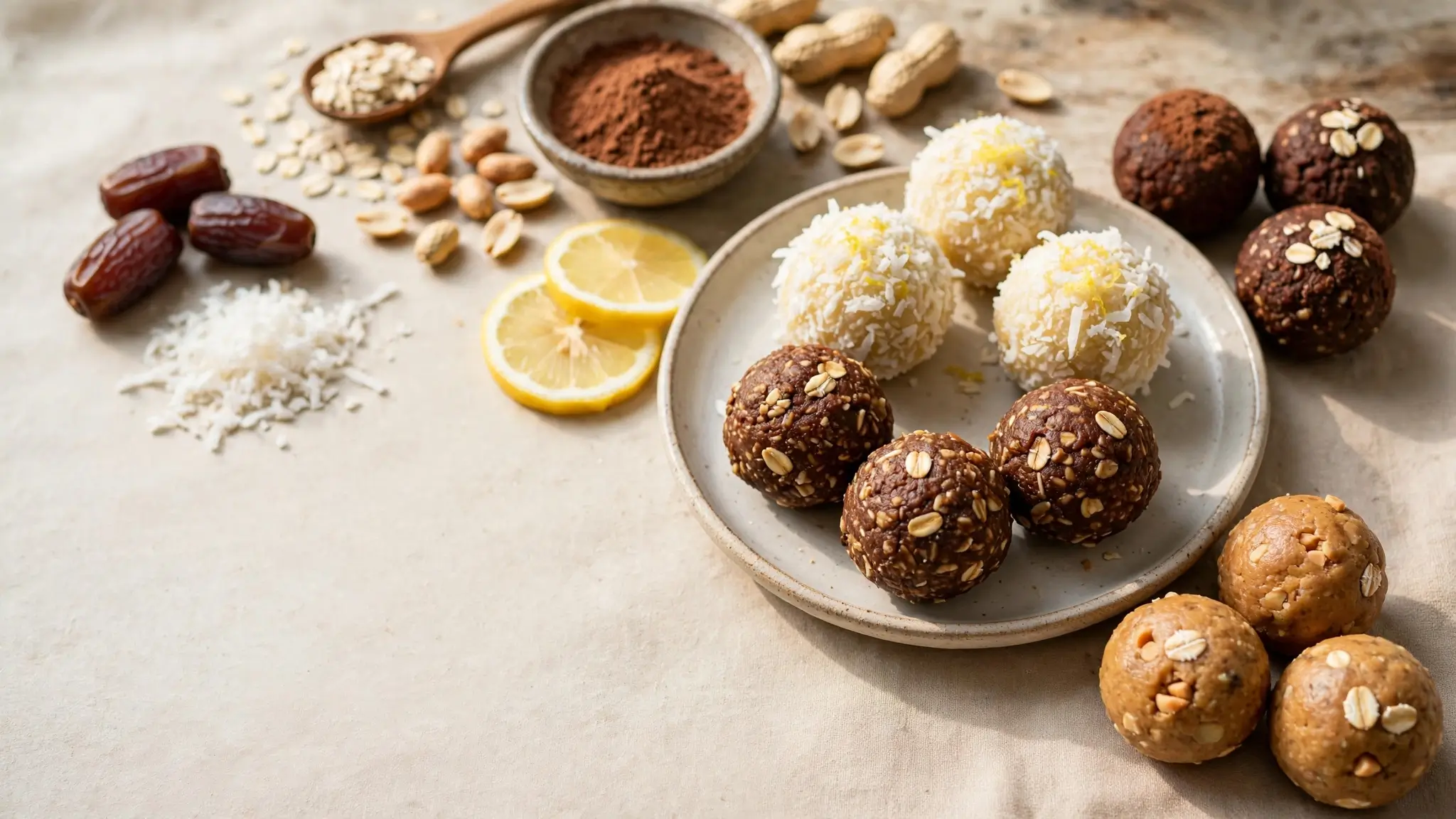
Protein balls and energy bites are a practical option when you want a homemade snack that does not require much time in the kitchen. Most recipes combine ingredients such as oats, nut butter, dates, seeds, coconut, or protein powder into a mixture that can be shaped into small portions. They are especially useful when you want something you can prepare ahead and keep ready in the refrigerator or freezer.
I like protein balls because there is plenty of room to change the flavors without making the preparation complicated. A chocolate version can satisfy a sweet craving, while lemon and coconut make a lighter-tasting combination. Dates provide natural sweetness and help bind some no-bake recipes, while peanut butter adds richness and a soft, chewy texture.
In this guide, I’m sharing four protein ball and energy bite recipes to try, along with practical advice for choosing a recipe, adding more protein, and getting the right consistency. Whether you prefer chocolate, peanut butter, coconut, or dates, there is a simple starting point here.
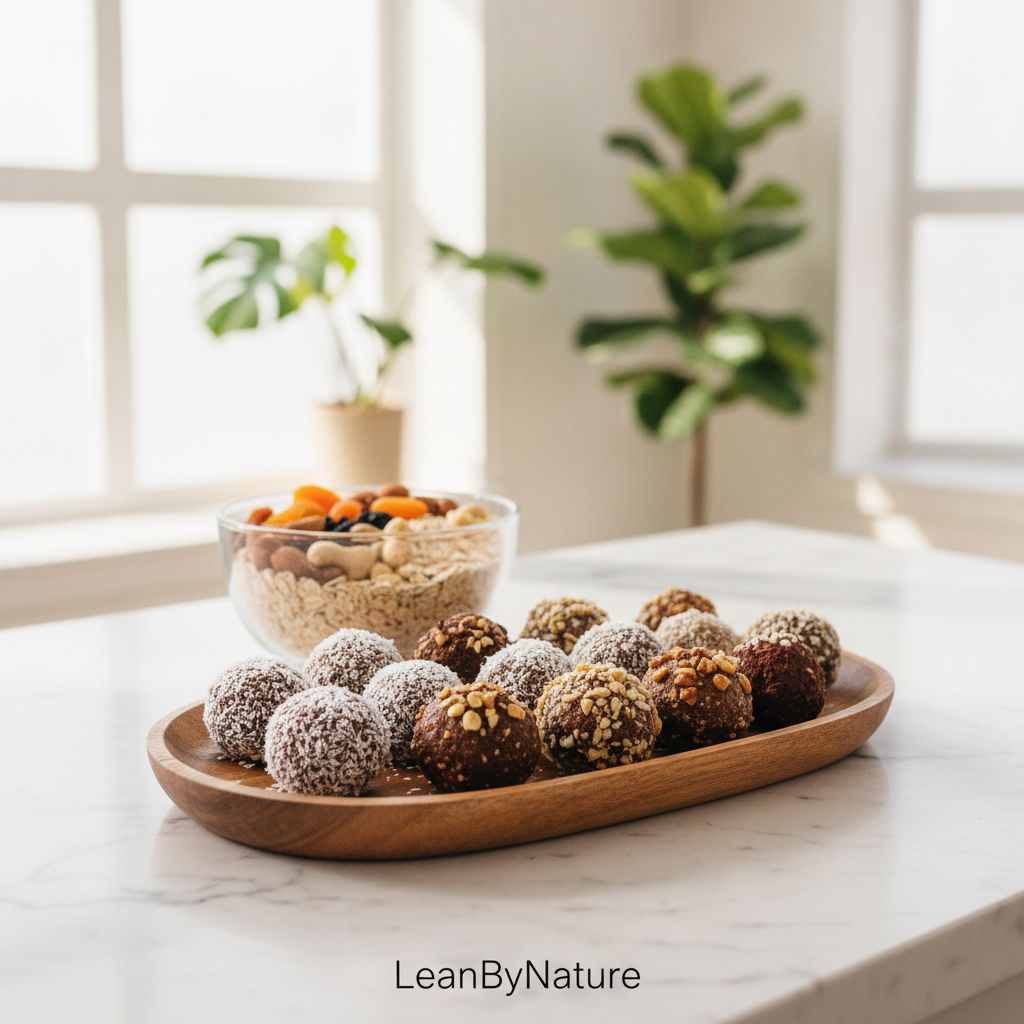
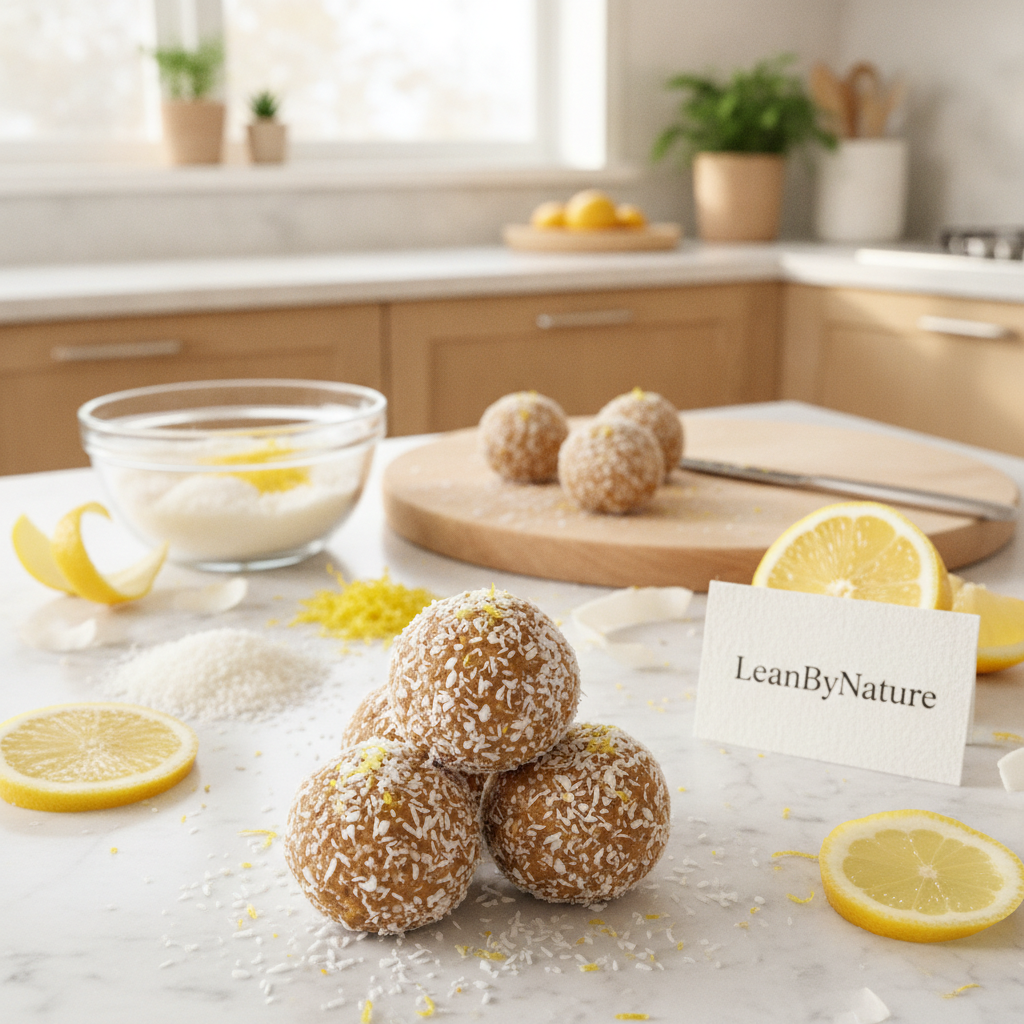
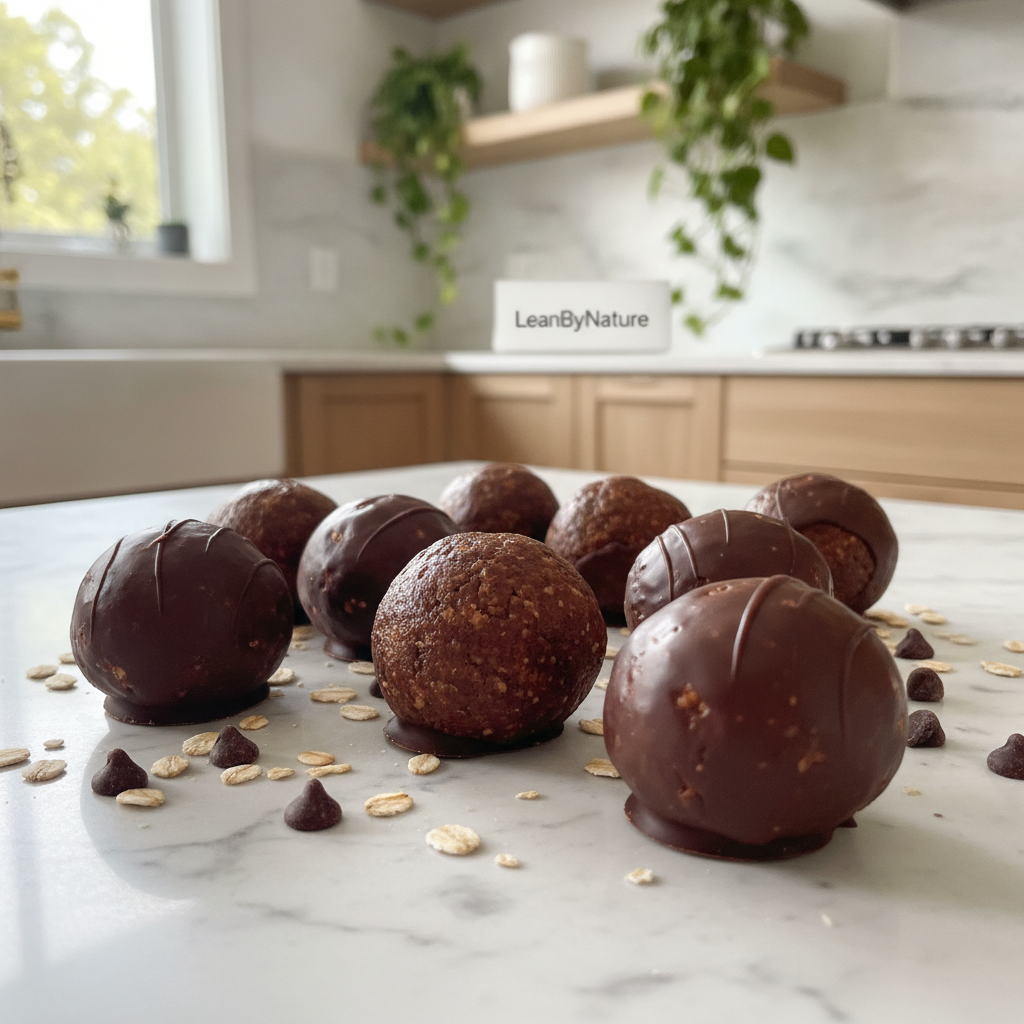
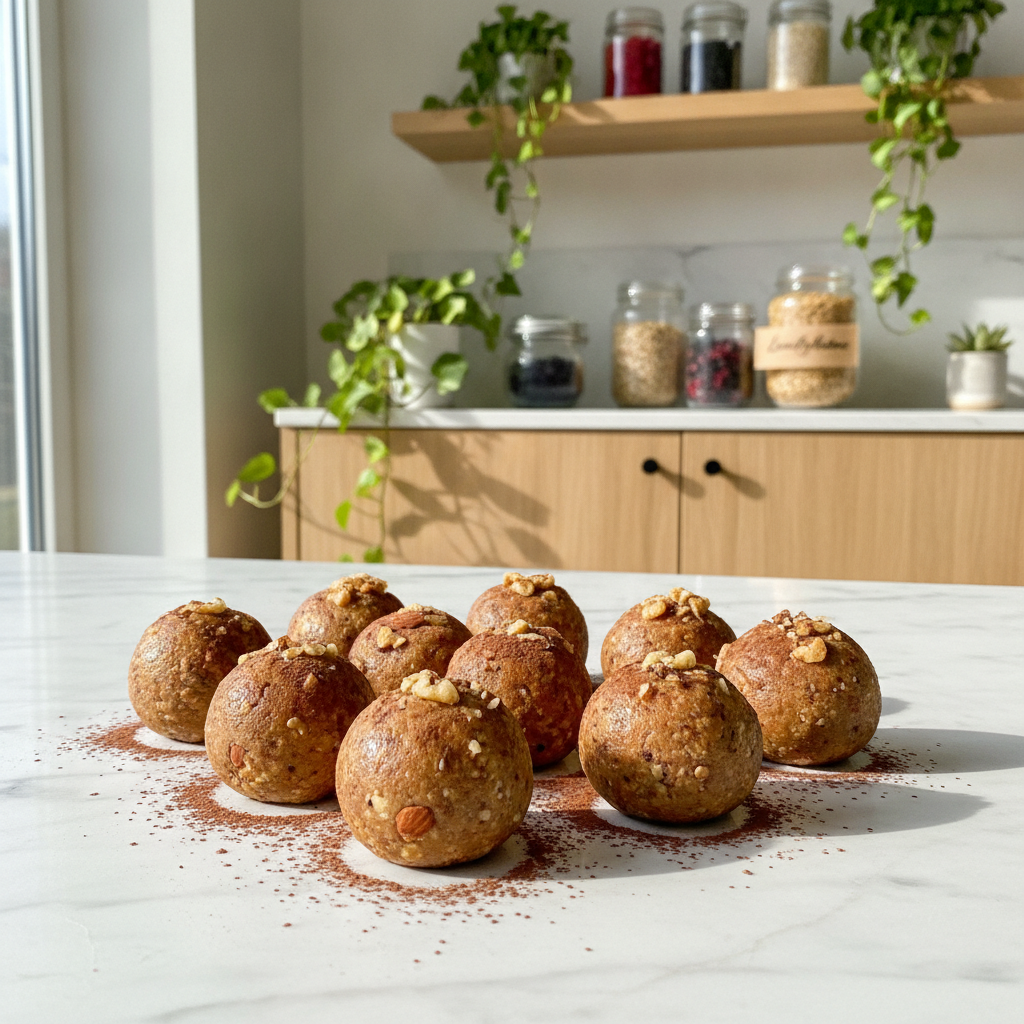
Table of Contents
What Are Protein Balls and Energy Bites?
Protein balls and energy bites are small, portion-sized snacks made by combining ingredients into a mixture that can usually be rolled, pressed, or shaped by hand. Many are no-bake, although some recipes may use baked ingredients or require a short chilling period before serving.
The terms are often used interchangeably, but recipes can vary quite a bit. Some energy bites rely heavily on dates, oats, nuts, or seeds, while protein balls may include protein powder, Greek yogurt, nut butter, or other protein-rich ingredients. The texture can range from soft and chewy to dense and fudgy, depending on the ingredients.
One of the main advantages is flexibility. If a mixture feels too dry, a small amount of nut butter or another wet ingredient may help bring it together. If it feels too sticky, chilling it can make shaping easier.
For protein-focused snacks, I like to look at the complete ingredient list rather than assuming every energy bite is high in protein. Dates, oats, and nut butter can contribute some protein, but the total amount depends on the specific ingredients and proportions.
Our Best Protein Balls and Energy Bites
These four recipes give you a good mix of flavors and textures. If you enjoy naturally sweet, chewy snacks, the date energy bites are a simple place to start. The lemon coconut balls have a brighter flavor, while the chocolate oat and peanut butter versions are richer and more dessert-like.
They also use familiar ingredients and work well for make-ahead snacking. Keep the recipes chilled when the mixture benefits from a firmer texture, and adjust the consistency gradually rather than adding a large amount of liquid at once.
Delicious No-Bake Date Energy Bites
Date energy bites are soft, chewy, and naturally sweet, making them a useful no-bake option. Dates help bind the mixture while adding a caramel-like flavor that pairs well with oats, nuts, seeds, or nut butter.
If the mixture feels crumbly, the dates may need to be softer or blended more thoroughly. Chilling the finished bites can also make them easier to handle. Store them in an airtight container in the refrigerator and portion them into small servings for grab-and-go snacks.
Lemon Coconut Protein Balls
Lemon coconut protein balls have a fresh citrus flavor with a soft, slightly chewy texture. Coconut pairs naturally with lemon, while protein powder can increase the protein content and help create a more substantial snack.
I recommend adding lemon gradually so you can adjust the flavor without making the mixture too wet. If the mixture is difficult to roll, chill it for a short time before shaping. A little extra shredded coconut can also help with a sticky mixture while adding texture.
Easy & Tasty Chocolate Oat Protein Balls
Chocolate oat protein balls are a good choice when you want a snack with a richer flavor. Oats provide structure, while cocoa powder gives the mixture a deeper chocolate taste. Protein powder and nut butter can add protein and help create a soft, cohesive texture.
These are particularly useful for preparing several servings at once. Roll the mixture into evenly sized balls so they are easy to portion. If the mixture becomes too dry after adding protein powder, add a small amount of liquid or nut butter until it holds together.
Quick & Delicious Peanut Butter Protein Balls
Peanut butter protein balls combine a familiar nutty flavor with a soft, chewy consistency. Peanut butter helps bind the ingredients while contributing protein and richness, and protein powder can increase the overall protein content.
For the smoothest mixture, use creamy peanut butter and mix the ingredients thoroughly before shaping. If the mixture feels too soft, chilling it can make rolling easier. You can also use almond butter or sunflower seed butter, although the flavor and consistency may change.
How to Choose Protein Balls and Energy Bites
Choosing the right protein ball or energy bite comes down to the flavor you want, the ingredients you have available, and how much preparation you want to do.
If you want something naturally sweet and chewy, date-based energy bites are a useful option. They are especially convenient when you have soft dates available and want a recipe that does not need baking. For a brighter flavor, lemon coconut protein balls bring citrus and coconut together without relying on chocolate or peanut butter.
Chocolate oat protein balls are a good fit when you prefer a richer snack. They also work well with different toppings or mix-ins, such as chopped nuts or unsweetened coconut. Peanut butter protein balls are another straightforward choice and can be especially convenient when peanut butter is already a regular ingredient in your pantry.
Think about texture, too. Dates and nut butter tend to create softer, chewier bites, while oats and coconut can give the finished snack more structure. If you are preparing snacks for several days, choose a recipe that stores well and portion the finished balls into individual containers.
Finally, check the protein source. Not every energy bite contains a large amount of protein, so look at the ingredients and nutrition information rather than relying on the name alone.
Easy Ways to Add More Protein to Protein Balls and Energy Bites
Protein powder is one of the simplest ways to increase the protein in many energy bite recipes. I recommend adding the amount called for in the recipe rather than adding extra just to increase the protein. Too much powder can make the mixture dry, chalky, or difficult to shape.
Nut and seed butters can also contribute protein while improving texture. Peanut butter, almond butter, and sunflower seed butter all work in different recipes, although each has a slightly different flavor and consistency. If you make a substitution, you may need to adjust the amount of dry ingredients.
Seeds are another useful addition. Chia seeds, hemp seeds, pumpkin seeds, and ground flaxseed can add texture and some protein. Start with a modest amount because adding too many dry ingredients can make no-bake mixtures crumbly.
You can also choose ingredients strategically. Oats provide structure, while dates and other dried fruit can provide the moisture and stickiness needed to hold some mixtures together. If the recipe includes milk or another liquid, using a higher-protein milk can contribute additional protein without significantly changing the preparation.
Remember that the total protein will vary based on the brands, quantities, and serving size used. If protein content matters to you, check the labels of your specific ingredients.
Tips for Preparing Protein Balls and Energy Bites
Getting the consistency right is usually the most important part of making protein balls. A mixture that is too dry will crumble when you try to roll it, while one that is too wet or sticky may be difficult to handle. Add wet ingredients gradually so you have more control over the final texture.
Soft dates are particularly helpful in no-bake energy bites because they blend more easily and help hold the mixture together. If your dates are very firm, they may need to be softened before blending. Always remove pits unless you are using dates that are already pitted.
Protein powder can change the texture more than you might expect. Whey, casein, blends, and plant-based powders can absorb liquid differently, so you may need a small adjustment depending on the product you use. I usually mix the ingredients first and then make small adjustments instead of adding extra liquid immediately.
Chilling can also make shaping easier. If the mixture sticks to your hands, place it in the refrigerator for a short time before rolling. Using a small cookie scoop can help create more evenly sized bites.
Store finished protein balls and energy bites in an airtight container in the refrigerator unless the individual recipe specifies otherwise. For longer storage, many varieties can be frozen. Thaw frozen bites in the refrigerator so the texture changes gradually.
Frequently Asked Questions
Are protein balls the same as energy bites?
The terms are often used for similar types of snacks, and there is no single rule separating them. Protein balls generally emphasize protein-rich ingredients, while energy bites may focus more on ingredients such as dates, oats, nuts, and seeds. Always check the individual recipe for its ingredients and nutrition information.
Do protein balls need protein powder?
No. Protein powder is optional in many recipes. Ingredients such as peanut butter, nuts, seeds, oats, and other protein-rich foods can contribute protein. Protein powder can be useful when you want to increase the protein content without adding a large volume of another ingredient.
Why are my energy bites falling apart?
The mixture may not have enough moisture or binding ingredients. Depending on the recipe, adding a little more nut butter, softened dates, or another specified wet ingredient can help. Chilling the mixture is also useful when it is too soft but otherwise holds together.
How long do protein balls last in the refrigerator?
Storage time depends on the ingredients used. Keep homemade protein balls in an airtight container and refrigerate them promptly. Recipes containing perishable ingredients may have different storage requirements, so follow the specific recipe instructions rather than assuming every variety has the same shelf life.
Can I freeze protein balls and energy bites?
Many no-bake protein balls and energy bites can be frozen. Store them in a freezer-safe airtight container, preferably with parchment between layers if they are sticky. Thaw them in the refrigerator before eating for a softer texture.
Conclusion
Protein balls and energy bites are a flexible way to prepare homemade snacks in advance. With ingredients such as dates, oats, nut butter, coconut, seeds, and protein powder, you can create different flavors without complicated cooking. I like making a batch ahead because the individual portions are easy to store and grab when needed. Start with the flavor that sounds best to you, then adjust the texture and sweetness as you become familiar with the recipe. Whether you prefer chocolate, peanut butter, lemon coconut, or chewy date bites, these snacks can fit easily into an everyday routine.