
High-Protein Meals: Easy & Healthy Ideas
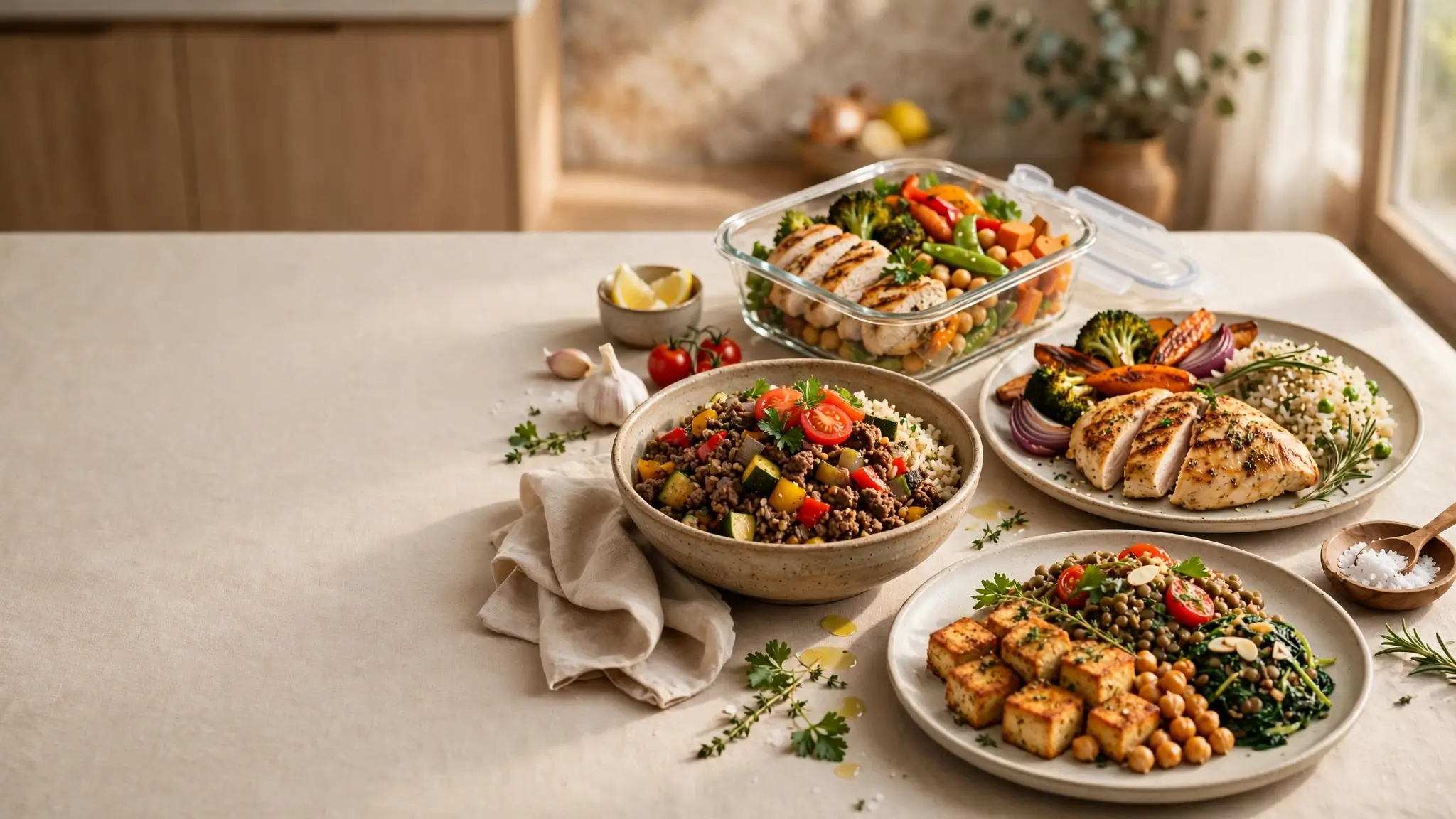
High-protein meals can be simple, satisfying, and practical enough for everyday cooking. You do not need complicated recipes or specialty ingredients to build meals around protein. Chicken, ground beef, eggs, fish, beans, lentils, Greek yogurt, cottage cheese, tofu, and other familiar ingredients can all have a place in your kitchen.
I like keeping high-protein meals flexible. Some days call for a quick dinner, while other days are better suited to a meal-prep recipe that can be portioned ahead. The right choice depends on your schedule, cooking time, budget, and the foods you enjoy.
In this guide, I’ll cover several useful high-protein meal categories, including chicken recipes, ground beef recipes, easy dinners, and meal-prep ideas. You’ll also find practical tips for choosing ingredients, preparing meals efficiently, and storing leftovers safely.
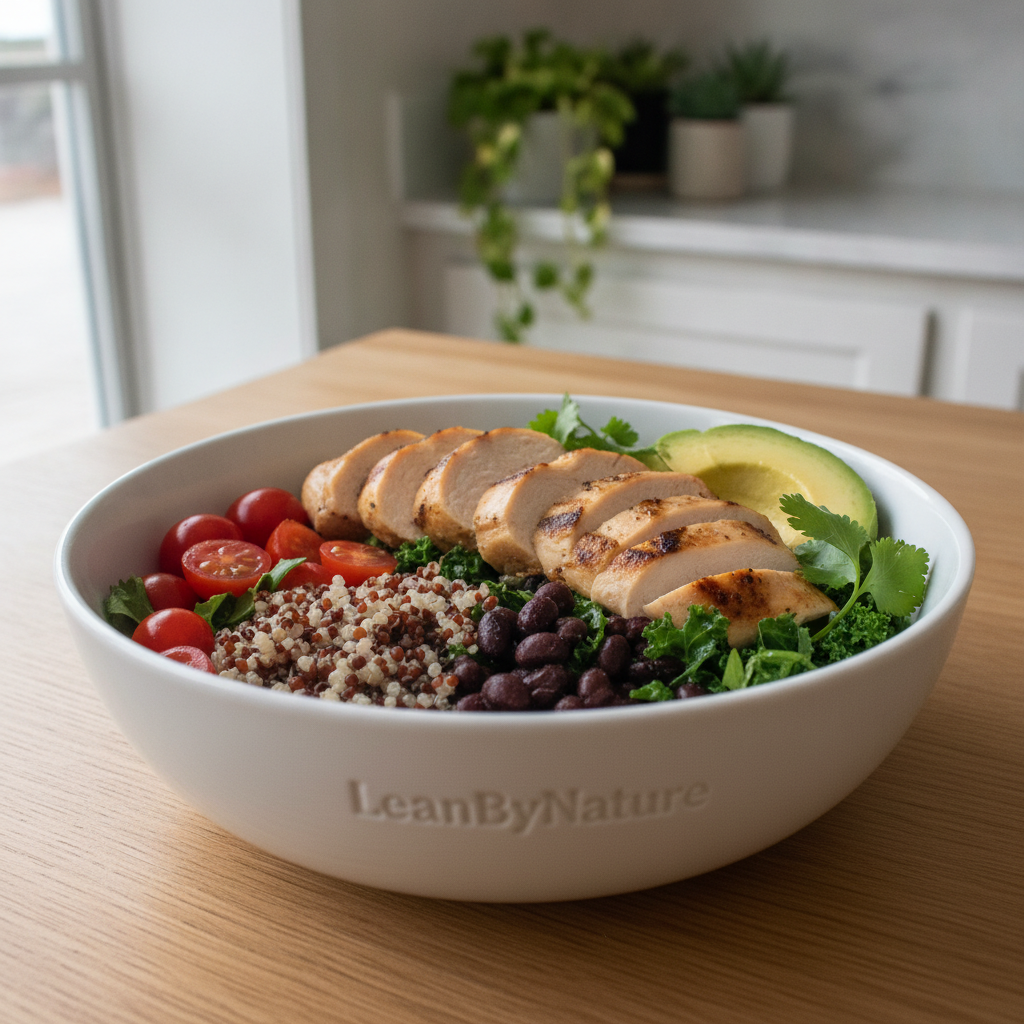
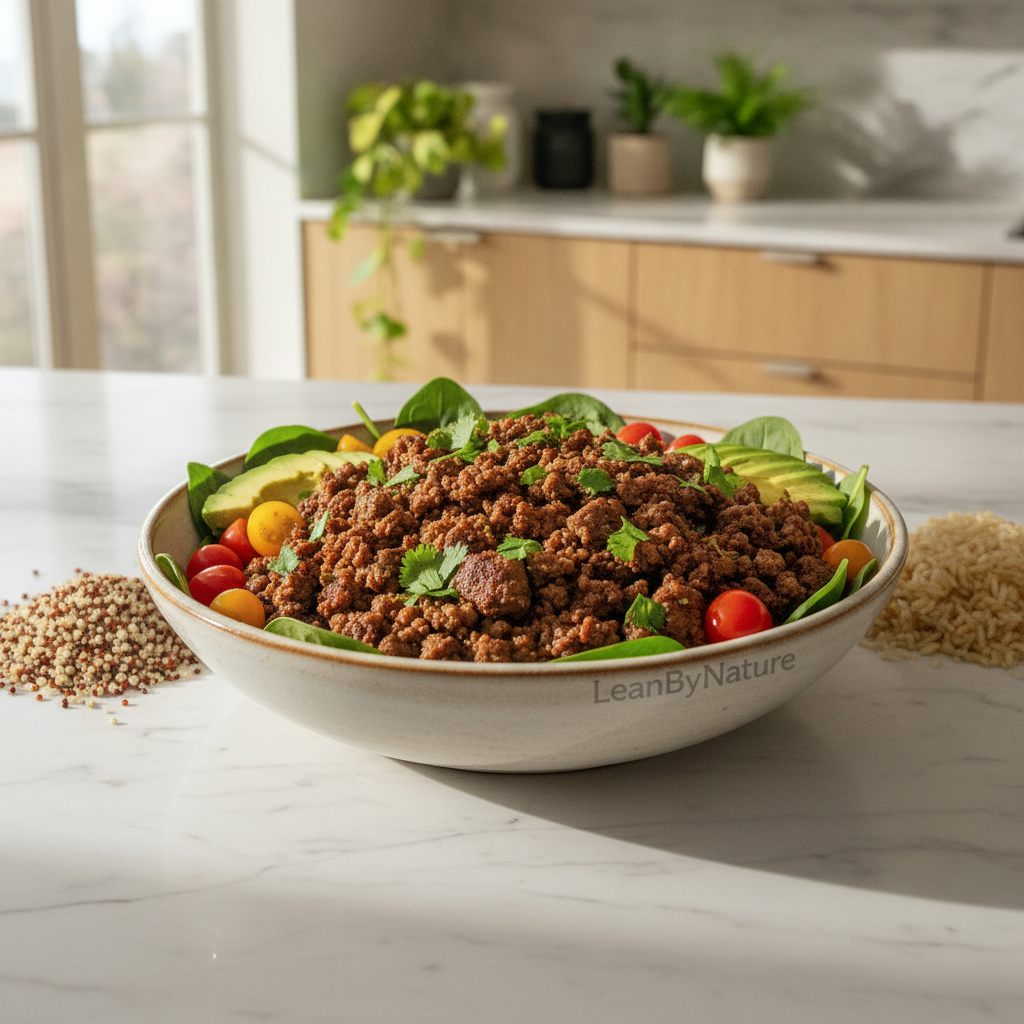
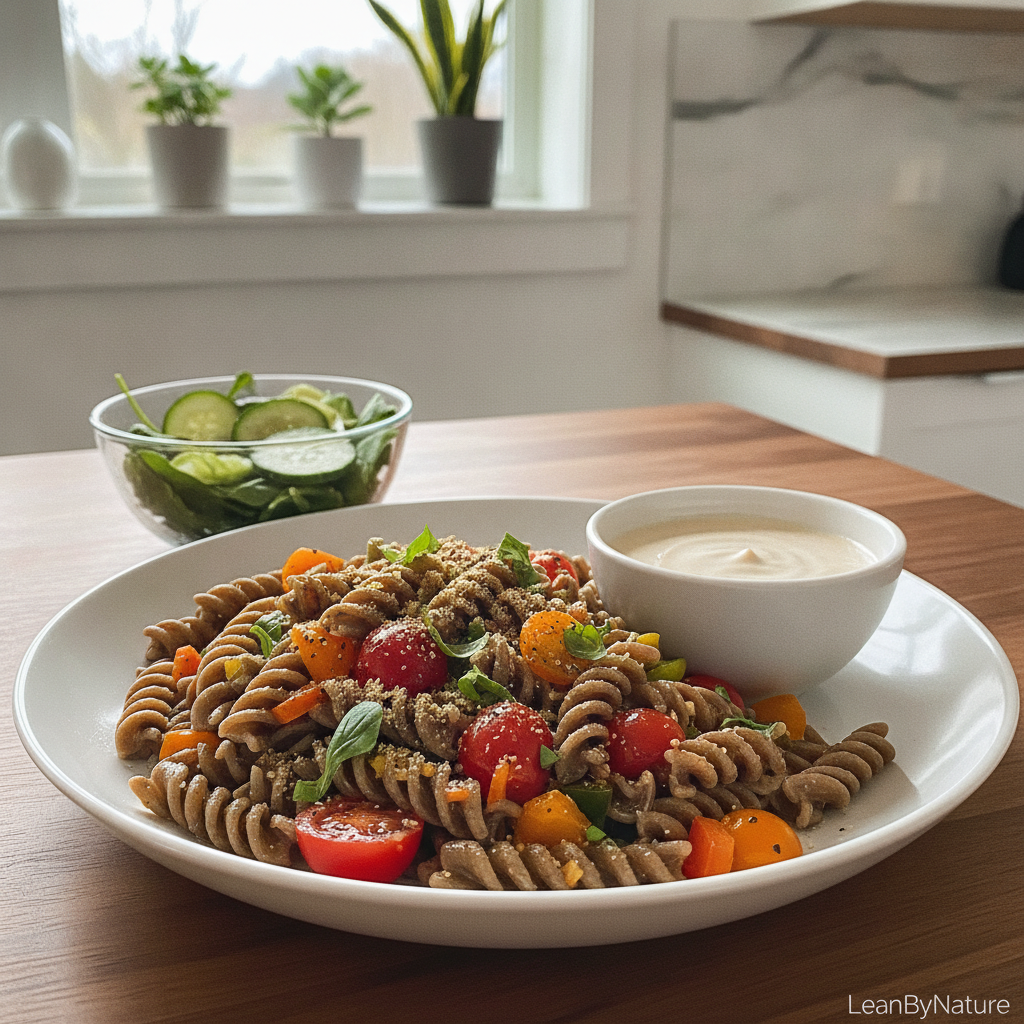
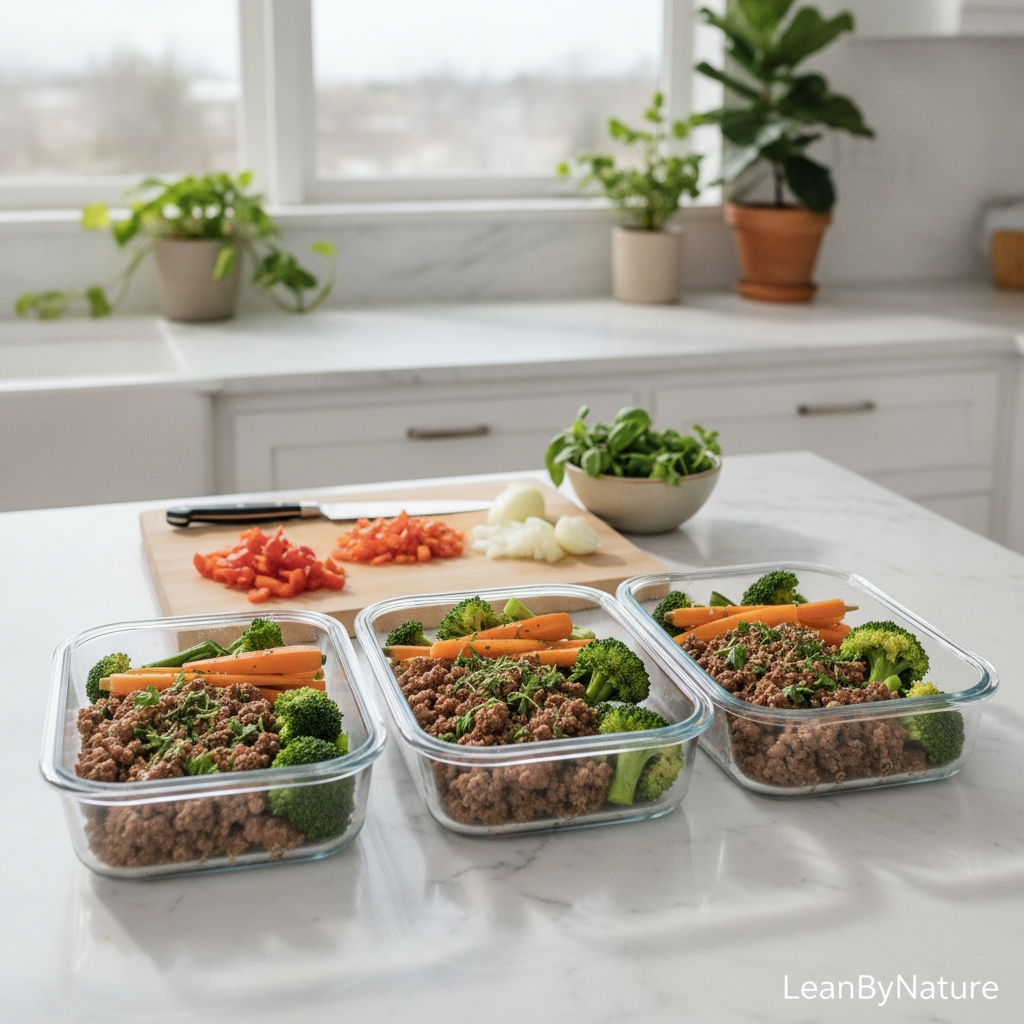
Table of Contents
What Are High-Protein Meals?
High-protein meals are meals that include a substantial protein source as part of the overall dish. That protein might come from chicken, turkey, lean ground beef, fish, eggs, dairy products, beans, lentils, tofu, or another protein-rich ingredient.
There is no single formula for creating a high-protein meal. A simple chicken and rice bowl can work just as well as a skillet with ground beef and vegetables or a pasta dish made with a protein-rich sauce.
I usually recommend starting with the protein and then building the rest of the meal around it. Add vegetables, grains, potatoes, pasta, beans, or other ingredients based on the type of meal you want to make. This approach keeps recipes flexible without requiring a completely different shopping list every week.
The cooking method can vary, too. High-protein meals can be made in a skillet, oven, slow cooker, air fryer, pressure cooker, or on the grill. Sheet-pan dinners and one-pan meals are particularly useful when you want less cleanup.
When choosing ingredients, think about both flavor and texture. Chicken breast can become dry if overcooked, while ground beef benefits from enough seasoning and moisture. Beans and lentils can add texture to bowls, soups, and skillet meals, while Greek yogurt or cottage cheese can add creaminess to sauces and savory dishes.
Why Choose High-Protein Meals?
High-protein meals can make it easier to include protein consistently throughout the day. Rather than trying to add a large amount of protein to one meal, you can build several meals around familiar protein-rich ingredients.
One benefit I appreciate is flexibility. Chicken can become tacos, bowls, salads, pasta dishes, or a simple sheet-pan dinner. Ground beef can be used in skillets, burgers, meatballs, stuffed vegetables, and rice bowls. The same basic ingredients can produce very different meals with a few changes in seasoning and preparation.
High-protein meals can also work well for meal prep. A large batch of cooked chicken, ground beef, turkey, or another protein can become the starting point for several meals during the week. Adding different vegetables, grains, sauces, or toppings can keep those meals from feeling repetitive.
Convenience matters, too. You do not have to cook an elaborate dinner every night. Some recipes can be prepared in 30 minutes, while others are better made in a larger batch and reheated later.
Most importantly, high-protein cooking does not need to feel restrictive. You can choose ingredients based on your preferences, budget, available time, and the type of meal you actually want to eat.
High-Protein Chicken Recipes
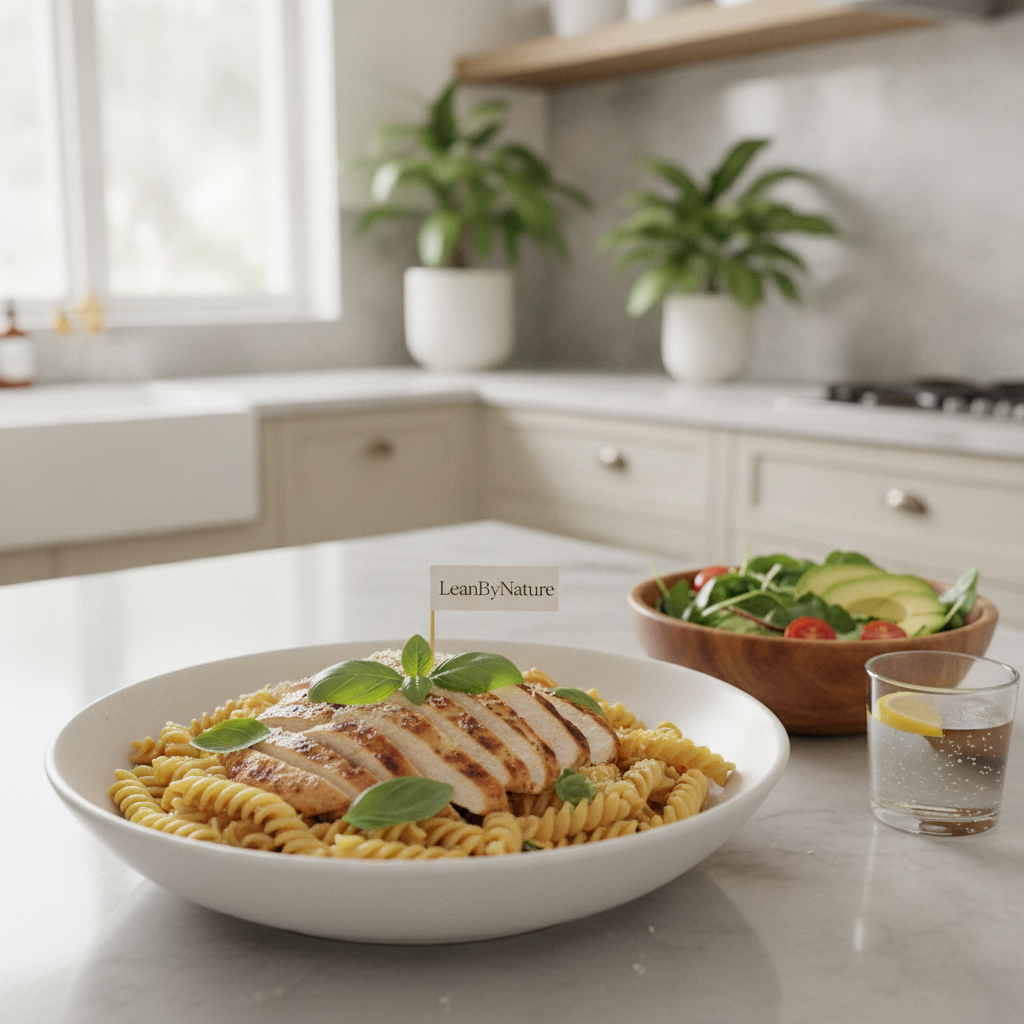
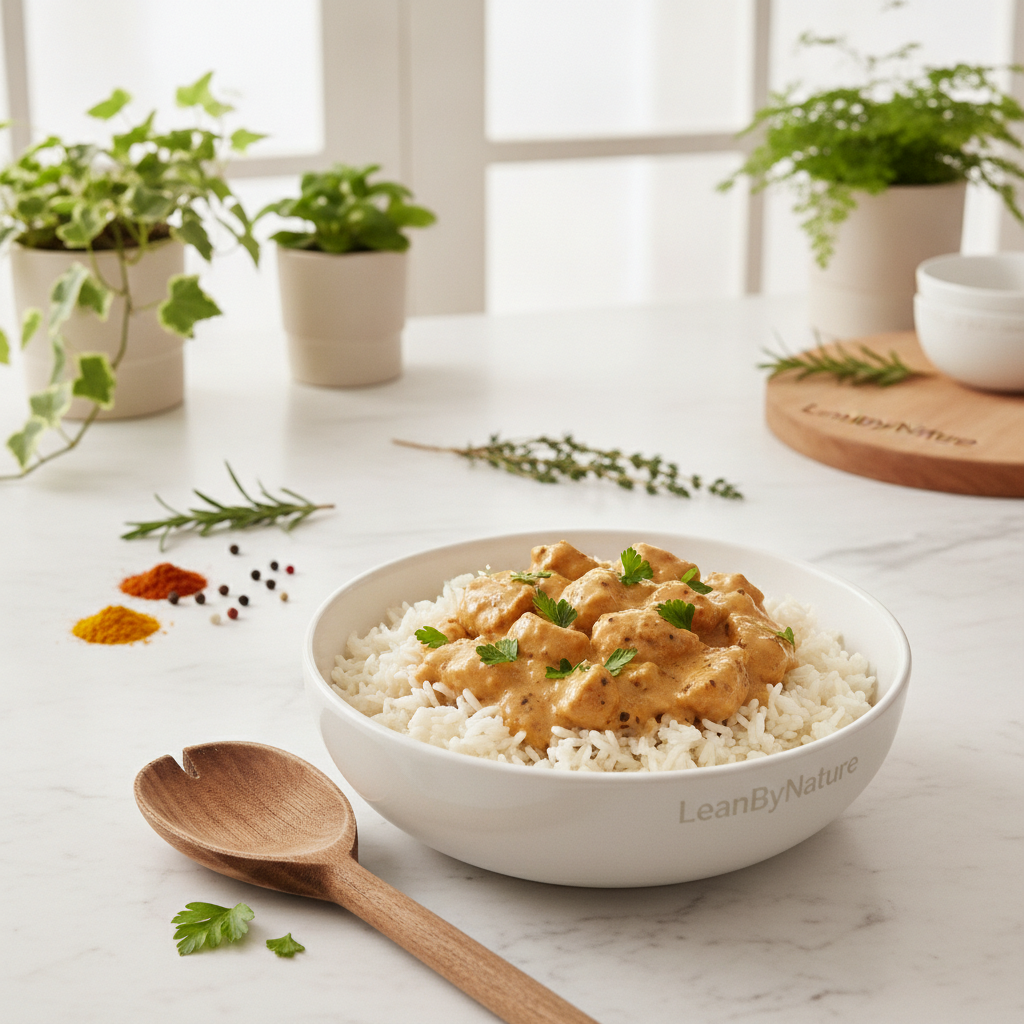
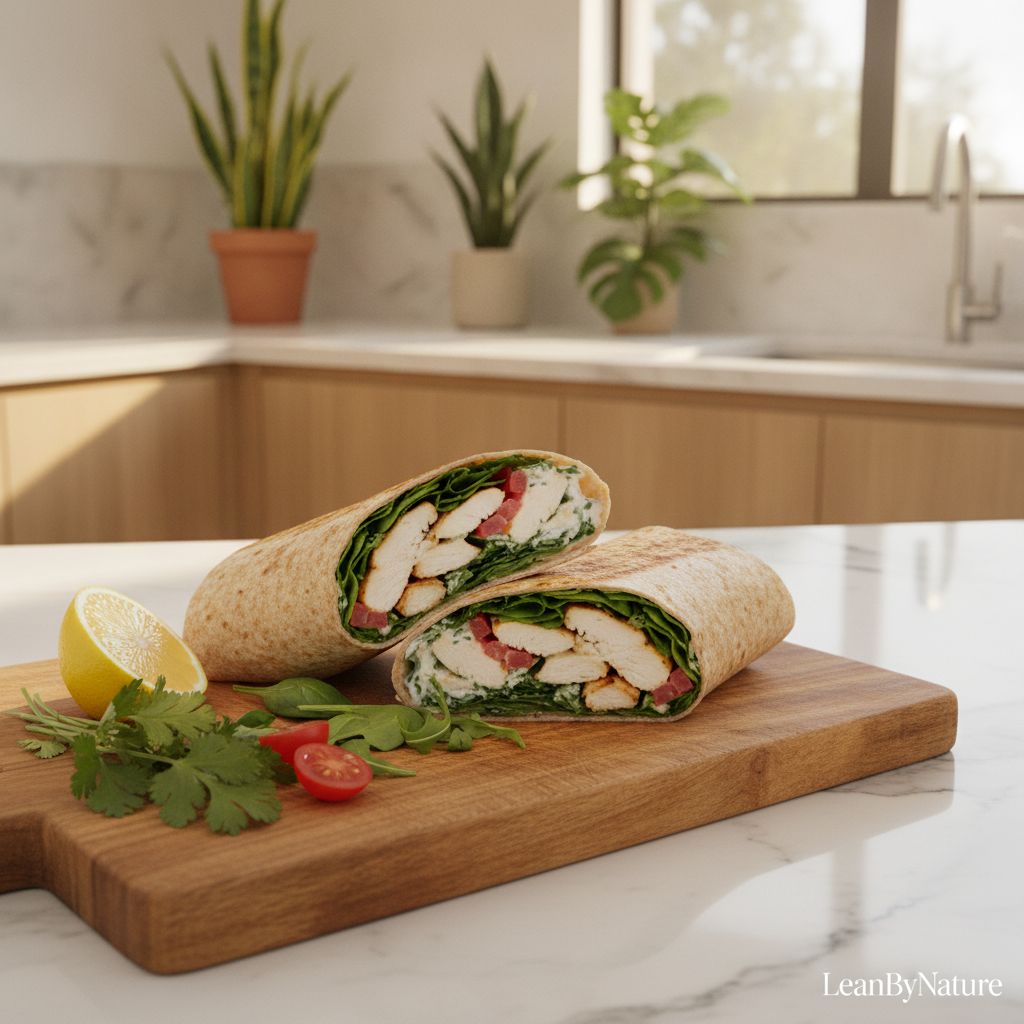
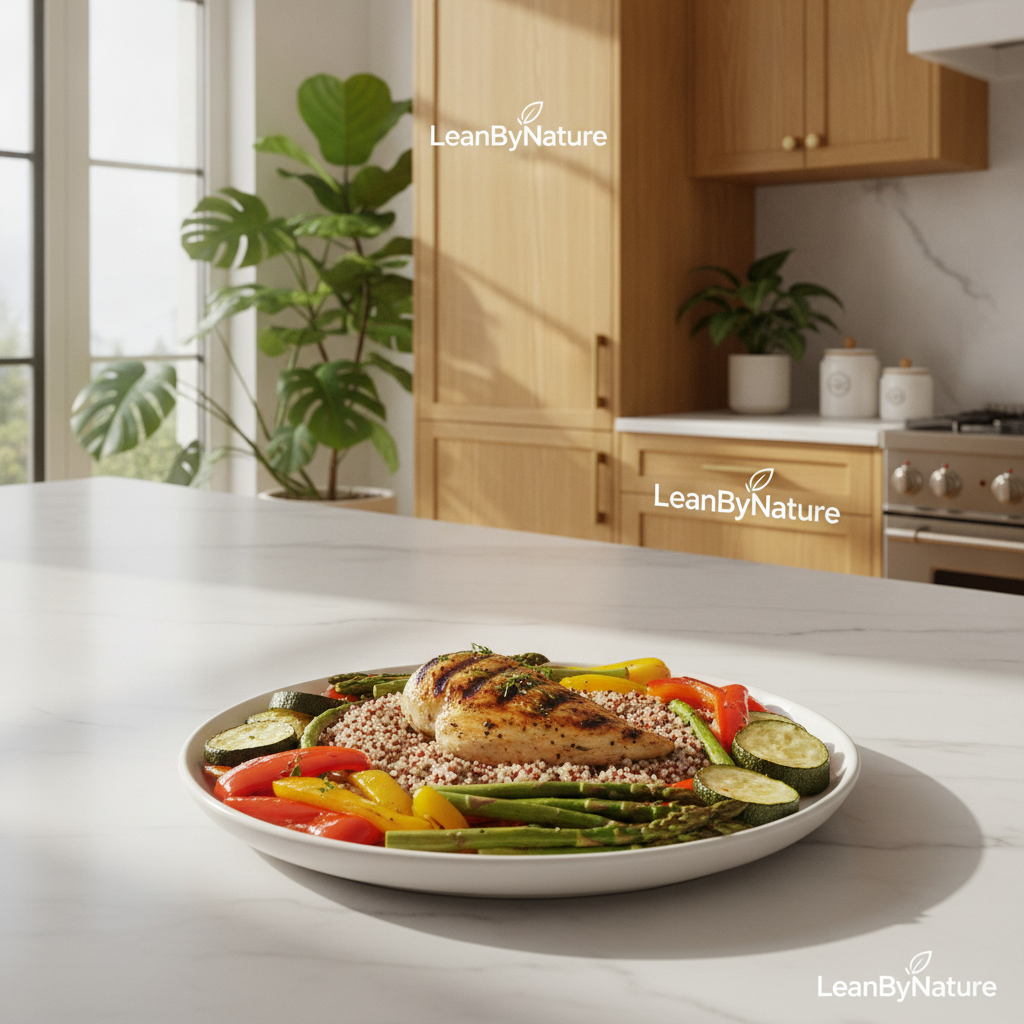
Chicken is one of the most versatile proteins for everyday meals. It can be baked, grilled, sautéed, air-fried, or cooked in a slow cooker, making it easy to use in everything from bowls and salads to pasta and one-pan dinners.
Chicken breast works well when you want a lean protein option, while chicken thighs can add more moisture and richness. I like seasoning chicken differently throughout the week so the same basic ingredient does not feel repetitive.
See the High-Protein Chicken Recipes cluster page for more recipes and ideas.
High-Protein Ground Beef Recipes
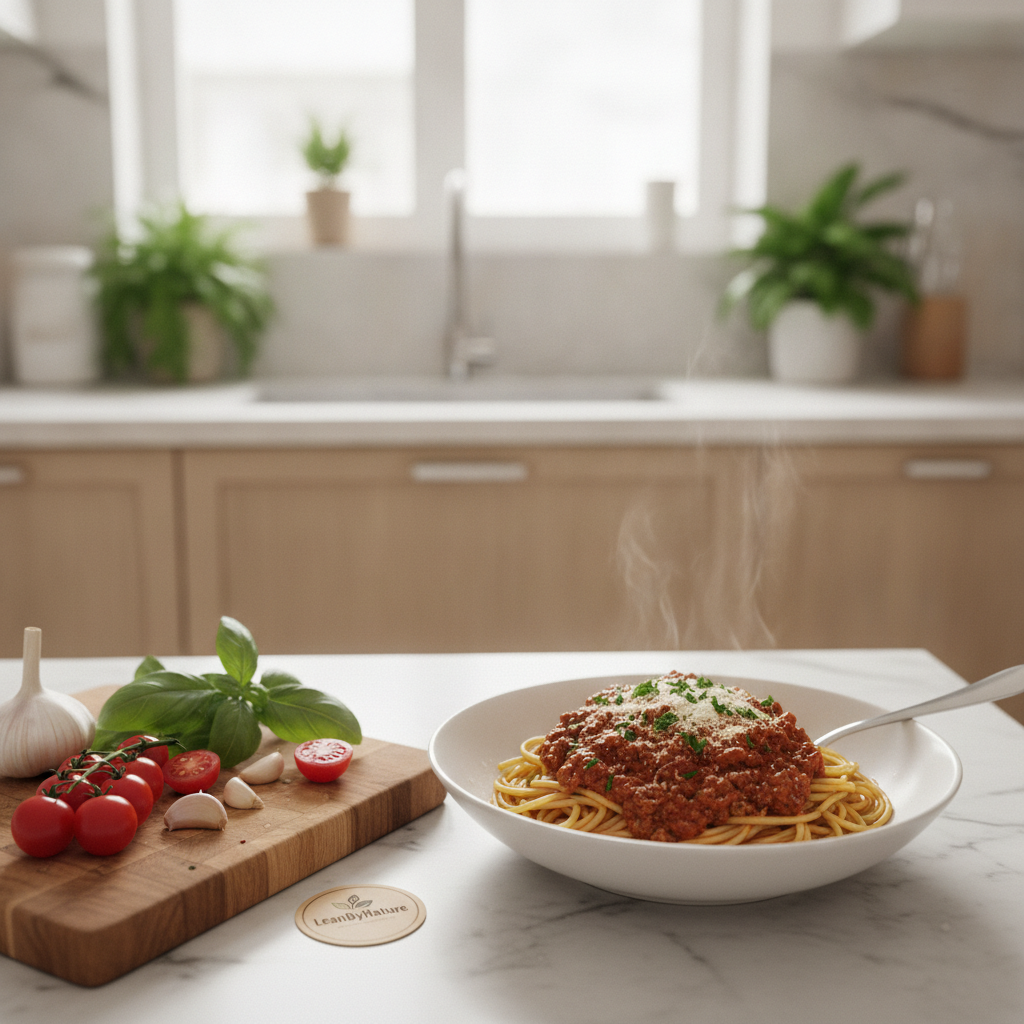
Ground beef is convenient, flavorful, and easy to use in a wide range of meals. It works particularly well in skillet dinners, tacos, meatballs, burgers, stuffed vegetables, pasta dishes, and rice bowls.
You can choose the lean-to-fat ratio based on your preference and the recipe. Ground beef also freezes well when properly packaged, making it useful for meal planning.
See the High-Protein Ground Beef Recipes cluster page for more recipes and ideas.
Easy High-Protein Dinners
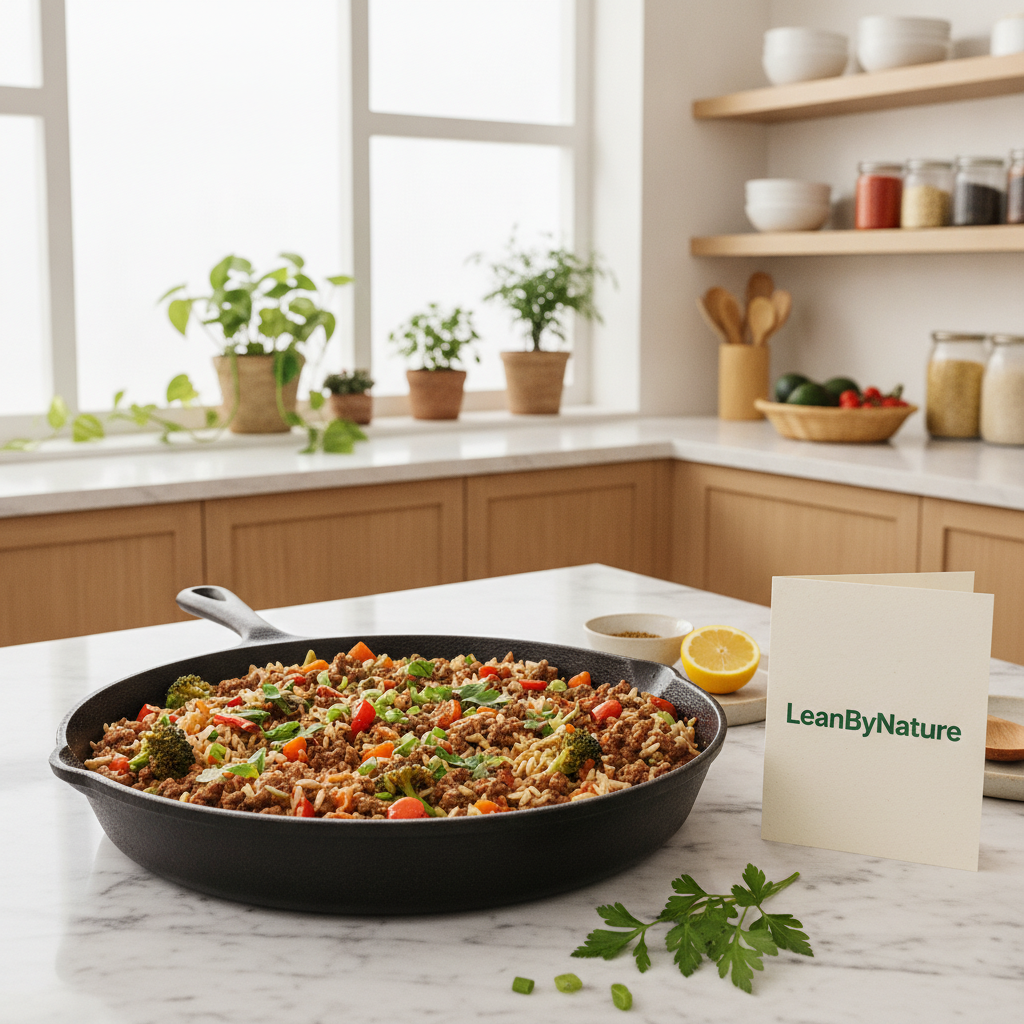
When you want dinner on the table without spending the entire evening cooking, focus on recipes with simple preparation and minimal cleanup. One-pan meals, skillet dinners, sheet-pan recipes, and quick bowls are all useful options.
I especially like recipes that combine a protein with vegetables and a simple carbohydrate or grain in one dish. They make it easier to serve a complete meal without preparing several separate recipes.
See the Easy High-Protein Dinners cluster page for more recipes and ideas.
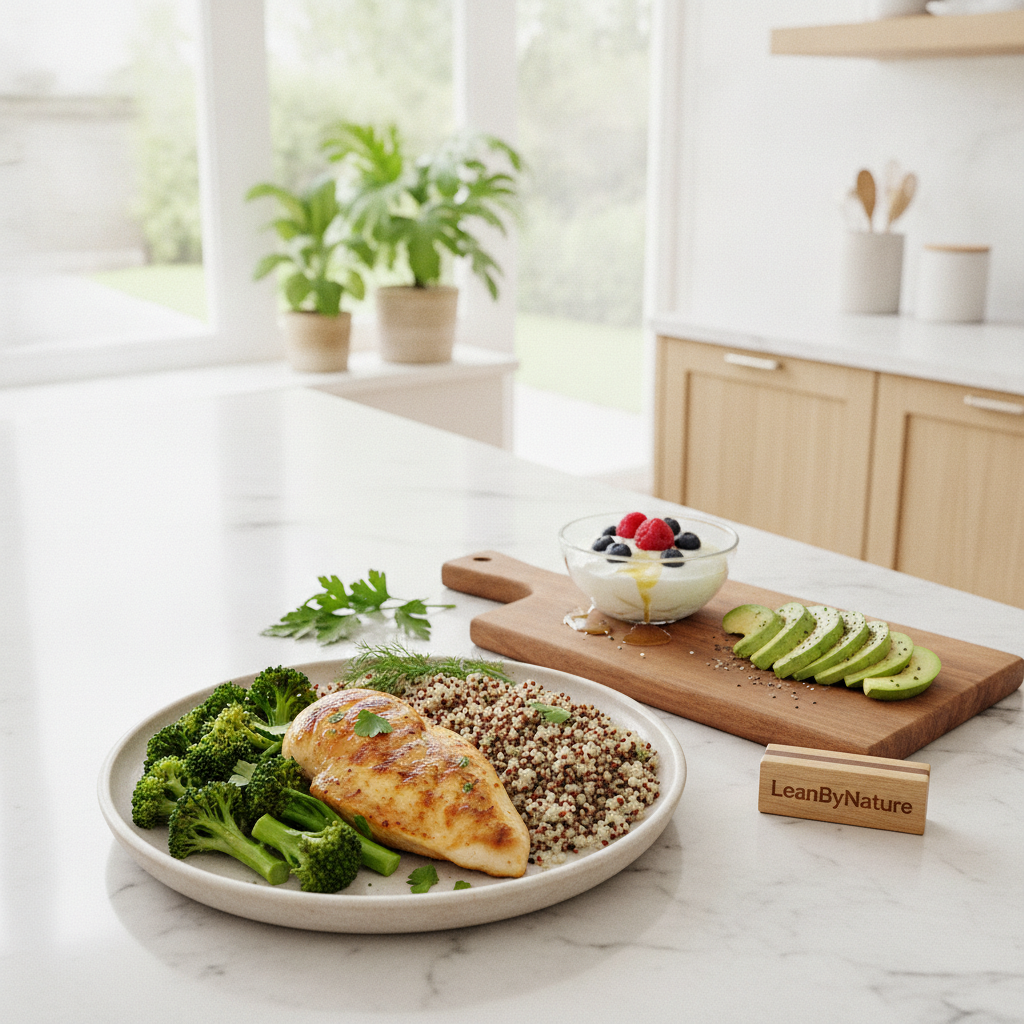
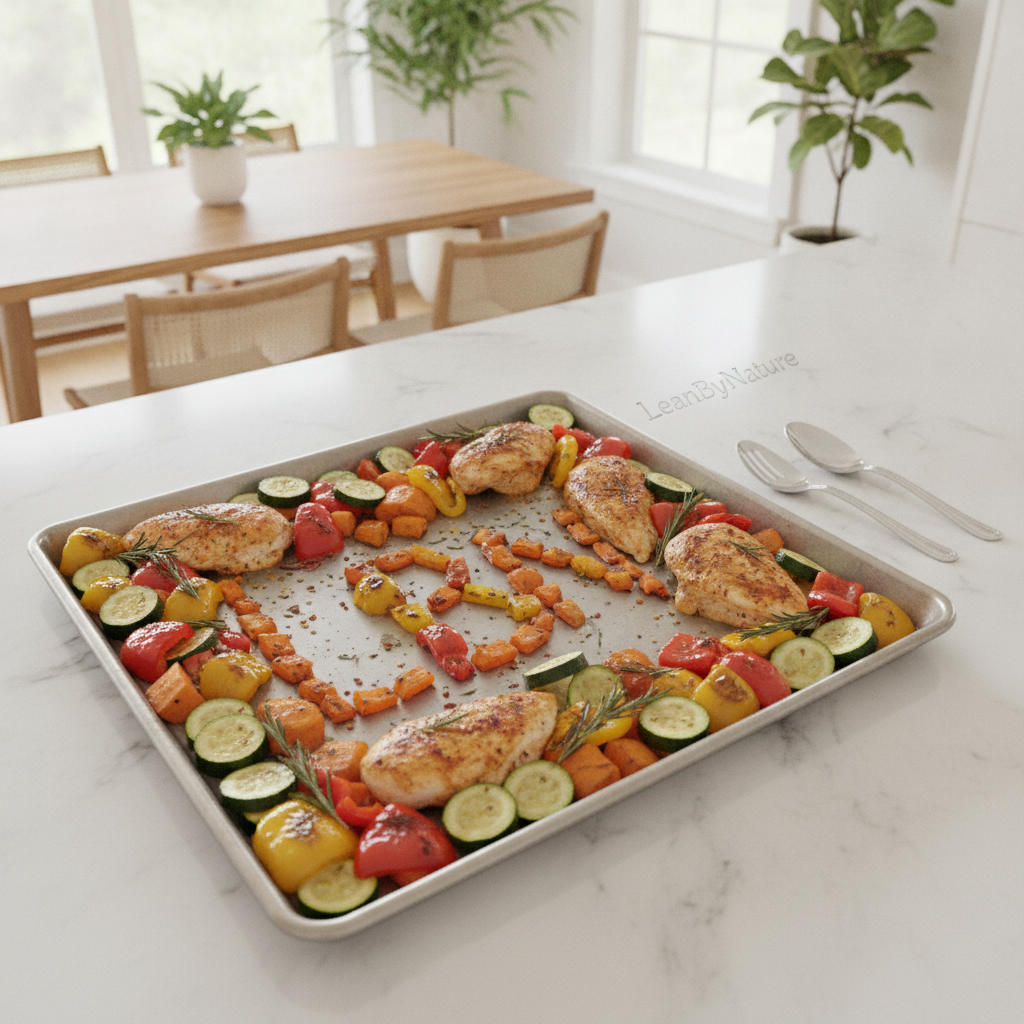
High-Protein Meal Prep
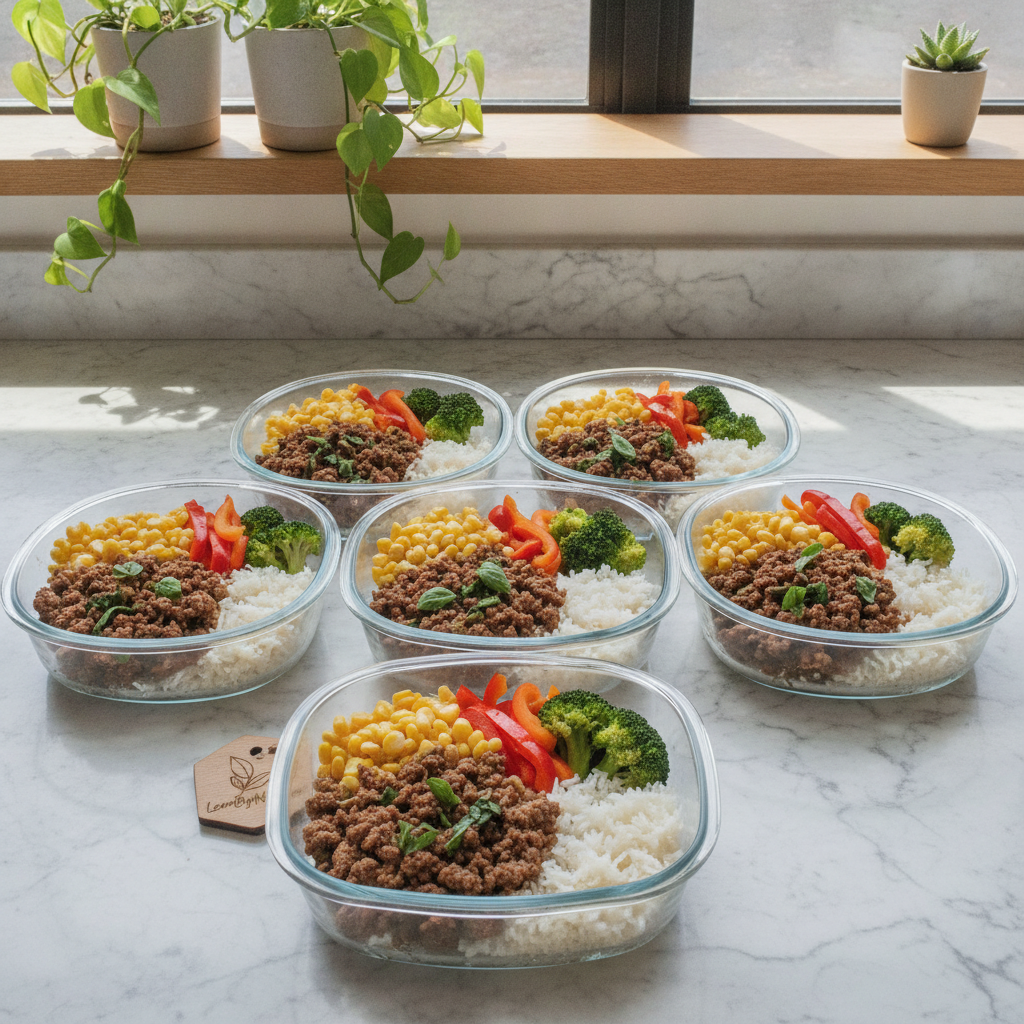
Meal prep can make high-protein eating more convenient during a busy week. You can prepare a larger batch of chicken, ground beef, turkey, fish, eggs, beans, or another protein and combine it with different sides throughout the week.
The key is choosing recipes that hold up well after refrigeration and reheating. Sauces, vegetables, grains, and toppings can often be stored separately when that helps maintain texture.
See the High-Protein Meal Prep cluster page for more recipes and ideas.
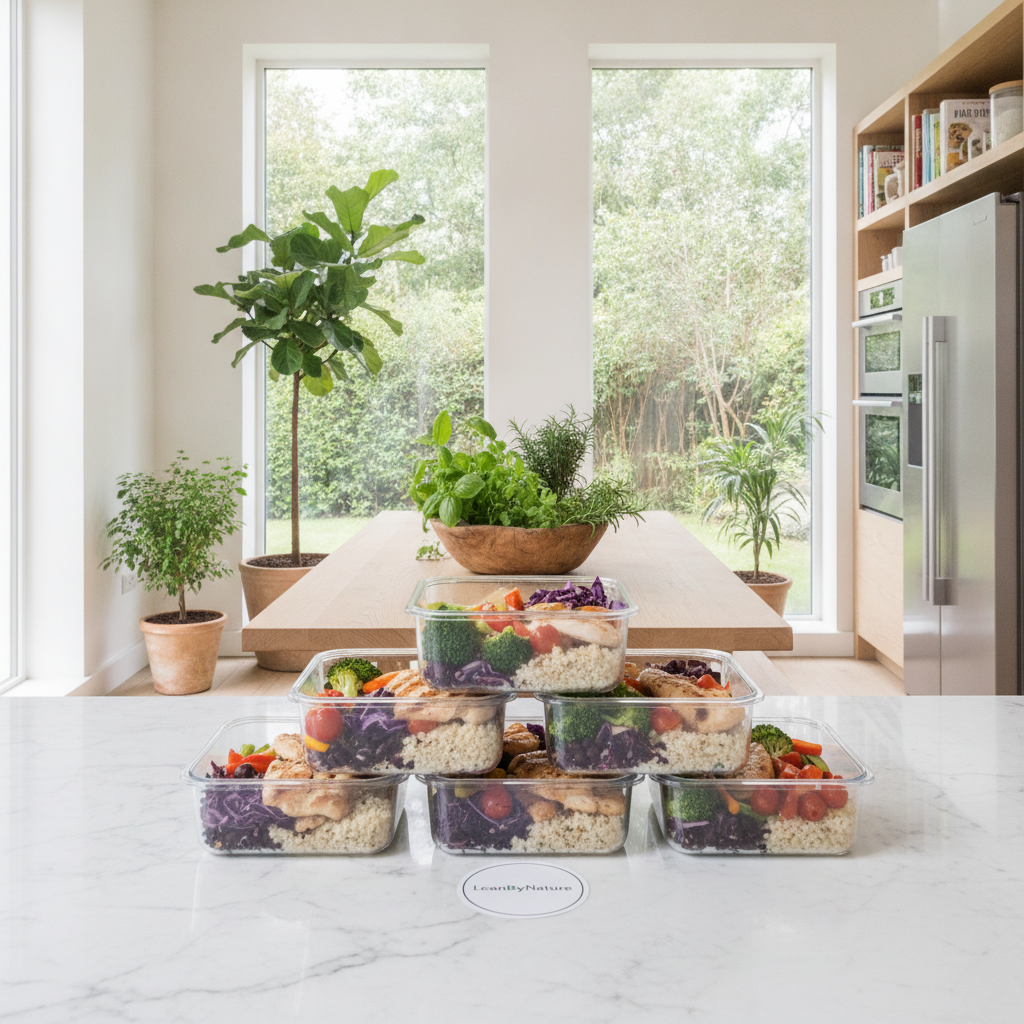
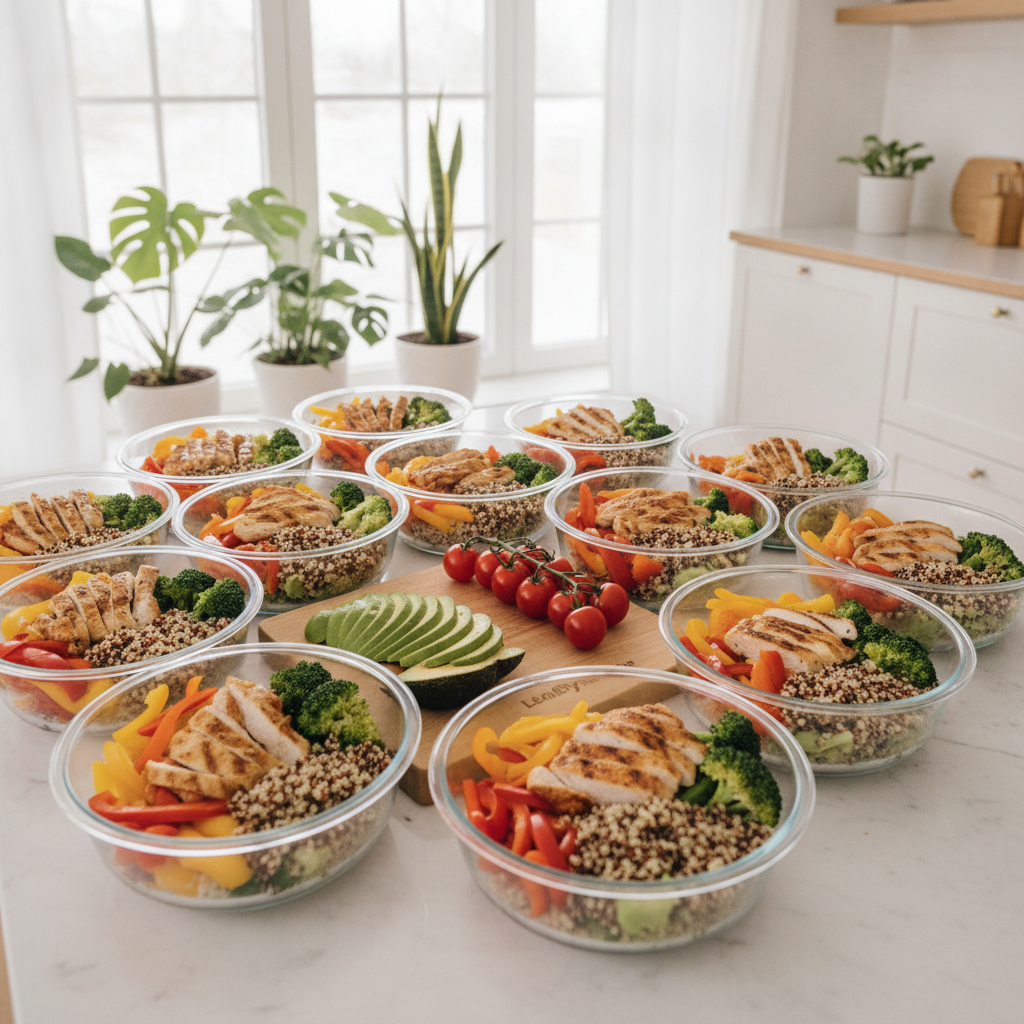
How to Choose a High-Protein Meal
Start with your schedule. If you only have 20 or 30 minutes for dinner, look for recipes with short ingredient lists, quick-cooking proteins, and minimal cleanup. If you have more time on the weekend, a larger recipe that creates several portions may be a better use of your time.
Next, consider the protein you want to use. Chicken, ground beef, turkey, fish, eggs, beans, lentils, tofu, and dairy products can all be used in different ways. Choosing a protein you already enjoy makes it easier to build meals you will want to make again.
Think about the cooking method, too. An air fryer can be useful for smaller portions of chicken or other proteins, while a slow cooker can work well when you want dinner ready later in the day. Sheet-pan and skillet recipes are convenient when you want fewer dishes.
Your budget can also influence your choices. Chicken thighs, eggs, beans, lentils, and ground meats can be practical options, while buying larger packages of ingredients can sometimes make meal prep more economical.
Finally, think about leftovers. If you are cooking for several days, choose meals that reheat well and store safely. Some ingredients, such as fresh herbs, avocado, crunchy toppings, or sauces, may be better added just before serving.
High-Protein Meals for Different Needs
For Breakfast
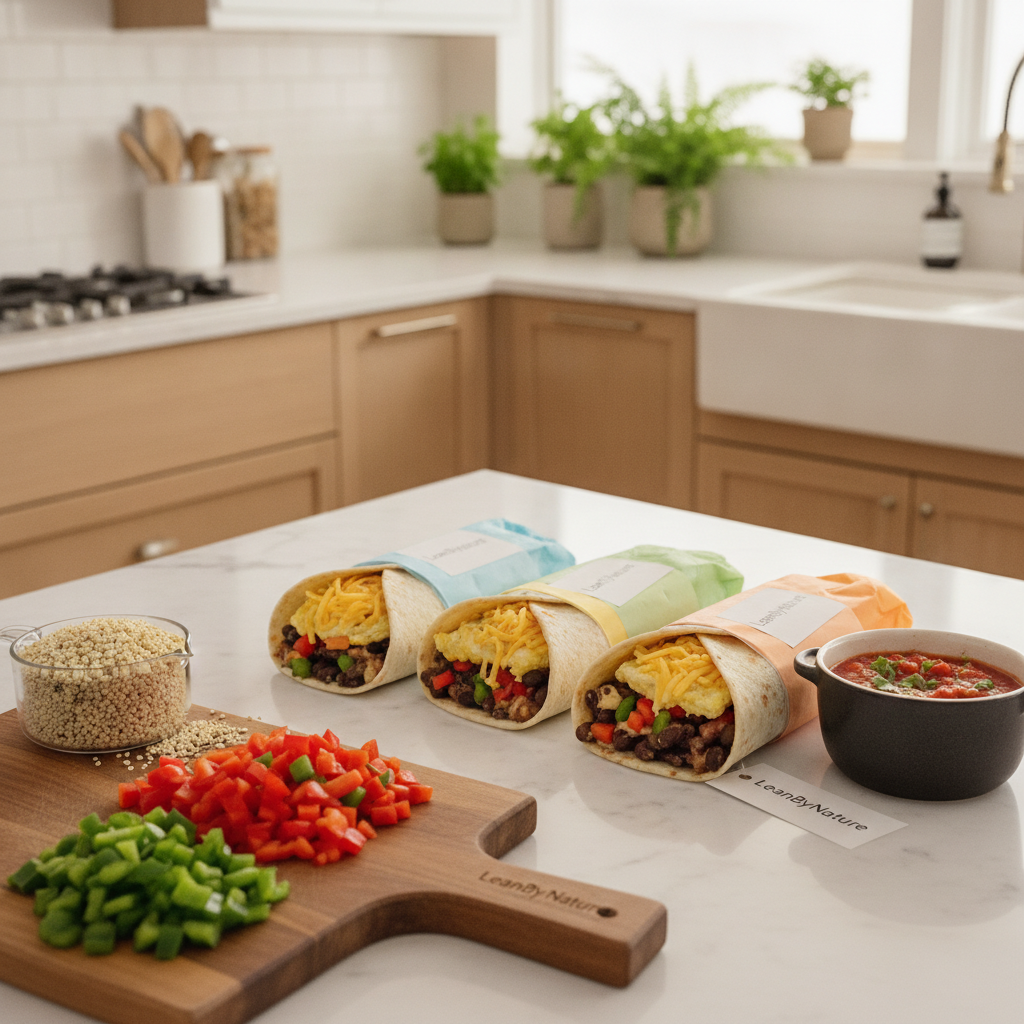
Breakfast can include more than traditional eggs and bacon. Greek yogurt bowls, eggs with vegetables, cottage cheese toast, breakfast burritos, and protein-rich oatmeal can all work depending on your preferences.
For busy mornings, prepare portions ahead so you have something ready to grab from the refrigerator.
For Work
Lunches for work should be easy to pack, store, and reheat. Chicken bowls, ground beef rice bowls, pasta dishes, salads with a protein source, and meal-prep casseroles can all work well.
If you have access to a microwave, choose meals that stay moist when reheated. Keeping sauces or fresh toppings separate can also improve the texture.
For Busy Weeknights
Weeknight meals benefit from simple preparation. Skillet dinners, sheet-pan chicken, ground beef bowls, tacos, and quick pasta dishes can help keep cooking manageable when time is limited.
I like recipes that use familiar ingredients and do not require several separate cooking steps.
For Meal Prep
Meal-prep meals should be easy to portion and store. Chicken, ground beef, turkey, beans, rice, roasted vegetables, and pasta can all form the base of meals that are prepared ahead.
For variety, change the sauce or toppings rather than making several completely different recipes.
For Weight Management
If you are working toward weight management, high-protein meals can be part of a balanced eating pattern. Focus on the overall meal rather than treating one ingredient as the solution.
Include protein along with vegetables, grains, potatoes, beans, or other foods you enjoy. Portion sizes and individual needs vary, so choose combinations that work for your routine rather than following rigid rules.
Tips for Making High-Protein Meals
Choose the right protein for the recipe. Chicken breast, chicken thighs, ground beef, turkey, fish, eggs, beans, and tofu all behave differently when cooked. Choose the option that suits the cooking method and texture you want.
Avoid overcooking lean proteins. Chicken breast and other lean proteins can become dry when cooked for too long. Use the appropriate cooking temperature and check for doneness rather than relying only on a fixed cooking time.
Build flavor with seasonings and sauces. A high-protein meal does not need to be bland. Garlic, herbs, spices, citrus, salsa, marinara, yogurt-based sauces, and other flavorful additions can completely change the character of a meal.
Use one protein in several ways. If I am meal prepping chicken, I might use it in a rice bowl one day and add it to a salad or wrap another day. This saves preparation time while giving you some variety.
Do not forget moisture. Some high-protein meals become dry after refrigeration. Sauces, gravies, dressings, broth, and moisture-rich vegetables can help. Store sauces separately when appropriate and add them just before serving.
Prepare ingredients instead of entire meals when useful. You do not always have to cook five identical containers of food. Preparing a protein, grain, and a few vegetables separately gives you more flexibility during the week.
Store food properly. Refrigerate perishable cooked foods promptly in shallow containers when possible, and use appropriate storage times. If you will not eat a meal within a safe refrigerated period, freezing may be a better option.
Keep substitutions realistic. Swapping chicken breast for chicken thighs may change cooking time and texture. Replacing ground beef with ground turkey can also affect moisture and flavor. Small adjustments are fine, but give the recipe enough flexibility to accommodate the change.
A little planning goes a long way. Even preparing one protein and a couple of sides ahead can make several meals easier to assemble.
Frequently Asked Questions
What are good high-protein meals?
Good options include chicken bowls, ground beef skillet meals, egg-based dishes, fish with vegetables and grains, bean and lentil bowls, high-protein pasta dishes, and simple sheet-pan dinners. The best choice depends on your preferred foods, available time, and cooking method.
How can I add more protein to a meal?
Start with a protein-rich main ingredient such as chicken, ground beef, turkey, fish, eggs, beans, lentils, tofu, Greek yogurt, cottage cheese, or cheese. You can also use protein-rich ingredients in sauces, toppings, and sides when appropriate.
What are the best high-protein meals for meal prep?
Choose meals that hold their texture after refrigeration and reheating. Chicken bowls, ground beef bowls, casseroles, skillet meals, soups, and pasta dishes can all work well. Keep fresh toppings and some sauces separate when that helps the meal stay fresh.
Can high-protein meals be made on a budget?
Yes. You do not need expensive specialty foods. Eggs, beans, lentils, chicken thighs, ground meat, canned fish, milk, and cottage cheese can all be useful protein sources. Buying ingredients in larger quantities and preparing meals at home can also make meal planning easier.
How do I keep high-protein meals from becoming dry?
Avoid overcooking lean proteins and consider adding sauces, broth, dressings, or moisture-rich ingredients. For meal prep, storing sauce separately and adding it when reheating or serving can help preserve texture.
Do I need protein powder to make high-protein meals?
No. Protein powder can be useful in certain recipes, but most savory meals can be built around whole-food protein sources such as chicken, beef, fish, eggs, beans, lentils, tofu, dairy products, or cheese.
Conclusion
High-protein meals can fit into everyday cooking without complicated recipes or restrictive rules. Whether you prefer chicken, ground beef, quick dinners, or meals prepared ahead, there are plenty of ways to build meals around familiar ingredients.
I recommend starting with the category that best matches your routine. If you need quick weeknight options, explore easy high-protein dinners. If you like cooking ahead, meal prep may be the better place to start. Chicken and ground beef offer even more flexibility when you want reliable proteins you can use in different recipes.
The goal is to find meals that taste good, fit your schedule, and are practical enough to make again.